How to Store Unopened Wine and Spirits by the Case
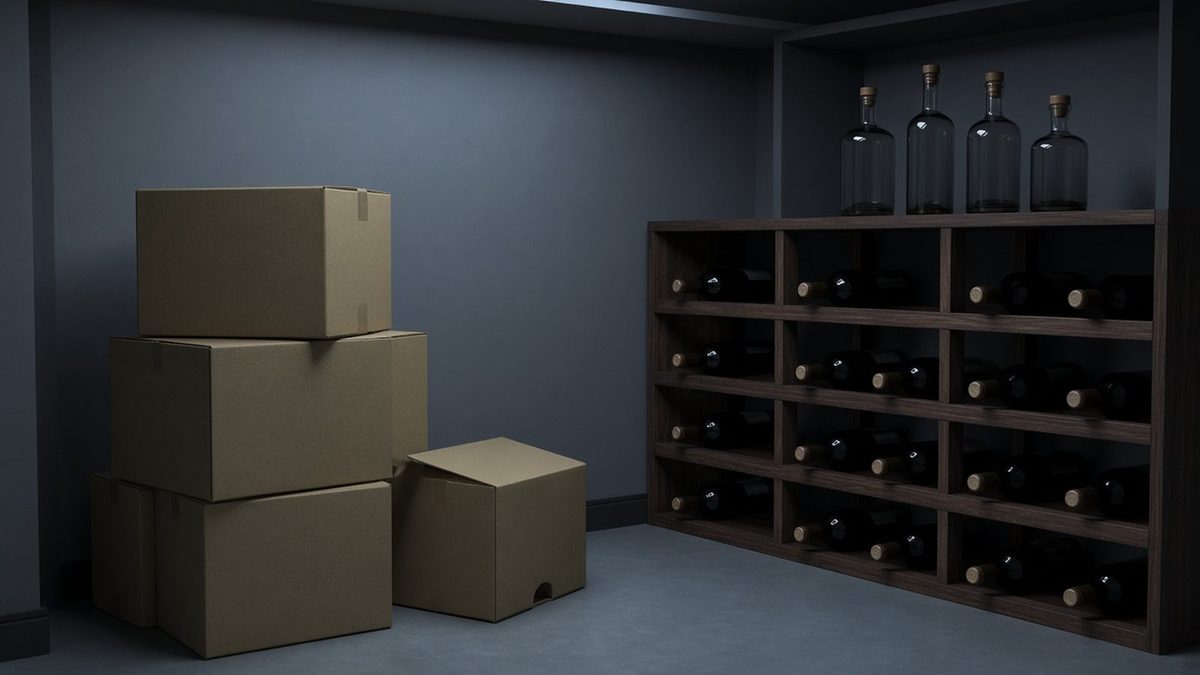
To store liquor at home, keep bottles somewhere cool, dark and steady, ideally around 10–15 °C and away from heat and sunlight. Store cork-sealed wine on its side, screwcaps either way, and spirits upright. Unopened spirits are stable for years; most everyday wines are made to be enjoyed within a few years.
Buying by the case means you will have more bottles at home than usual, often for weeks before an event. You do not need a cellar. You need a spot that avoids the three things that damage wine and spirits over time: heat, light and big temperature swings. This guide sets out a storage plan by category and closure type, with a checklist at the end.
Why case buyers need a storage plan
A single bottle goes in a cupboard. A case, or several cases, needs a dedicated spot. Our multi-case ordering guide and how case pricing works explain why buying by the case can make sense; the storage plan is the other half. Before your order arrives, decide:
- Where the cases will go and whether the floor and shelves can take the weight.
- Which bottles need to lie down and which should stand up.
- What will be opened first, so you do not have to unstack everything.
Temperature and light
Temperature. Wine is commonly stored at about 10–15 °C. The exact number matters less than stability: a steady 18 °C is generally better than a space that swings from cold nights to warm afternoons, because expansion and contraction can push wine past the cork. Avoid spots near ovens, radiators, heating vents, dryers and exterior walls that get afternoon sun.
Light. Ultraviolet light can degrade wine, which is one reason many bottles are made of tinted glass. Clear-glass bottles, common for rosé and some whites, are more exposed. Keep cases closed, or keep bottles in a dark cupboard.
Humidity and vibration. Very dry air can dry out corks over long periods, and constant vibration is commonly advised against. Neither is a major issue for bottles you will open within a few months.
Good places in a typical home: an interior closet, the floor of a bedroom wardrobe, or a basement storage area that stays cool year round. Places to avoid: the kitchen, garage (which may freeze or overheat) and the top of the fridge.
Comparison: storage by category
| Category | Typical closure | Orientation | Temperature (general guide) | Light |
|---|---|---|---|---|
| Still wine, cork | Natural or technical cork | On its side | 10–15 °C, stable | Dark |
| Still wine, screwcap | Screwcap | Either way | 10–15 °C, stable | Dark |
| Sparkling wine | Cork with wire cage | On its side or upright, short term | 10–15 °C; chill before serving | Dark |
| Spirits (vodka, whisky, rum, gin, tequila, cognac) | Cork stopper or screwcap | Upright | Room temperature is fine; avoid heat | Away from sunlight |
| Cream liqueurs | Screwcap | Upright | Cool; follow label after opening | Dark |
| Fortified wine | Cork, stopper or screwcap | Follow closure; stoppered bottles upright | Cool | Dark |
Upright vs on its side, by closure type
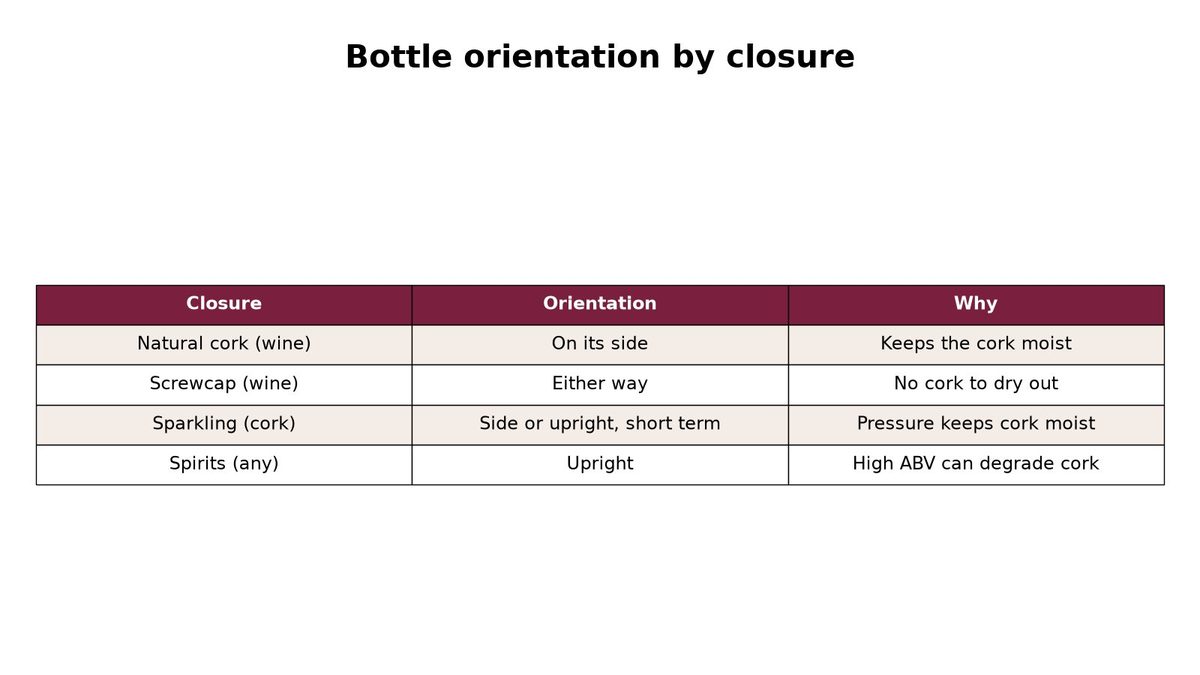
- Cork-sealed still wine: on its side. This keeps the wine in contact with the cork so it stays moist and seals well. For short-term storage of a few weeks this matters less, but on its side is the safe default for a case.
- Screwcap wine: either way. There is no cork to dry out.
- Sparkling wine: either way for short periods. The pressure inside the bottle keeps humidity high around the cork. For longer storage, many people still lay sparkling wine down.
- Spirits: upright. High-ABV spirits can degrade a cork if they sit against it for long periods. Spirit stoppers are designed to sit above the liquid.
Most wine cases ship with bottles upright in dividers. If you keep cork-sealed wine in the box for months, turn the box on its side, provided it is sturdy and the bottles will not shift.
Wine: unopened shelf life basics
Most wine sold today is made to be enjoyed relatively young, often within a few years of the vintage printed on the label. A small share of wines is made for longer ageing. The label and the producer's notes are the best guide, and our how to read a wine label post explains where to find the vintage. For a case bought for an event or the holidays, the practical rule is simple: store it well and open it within months.
Sparkling: special cases
Sparkling wine is under pressure, typically several atmospheres. Store it away from heat and do not shake or drop cases. Non-vintage sparkling wines are usually released ready to drink. Before serving, chill it fully; our serving temperature chart gives times and how to open sparkling wine covers safe opening.
Spirits: why they don't age in the bottle
Spirits such as whisky, cognac and rum age in the cask. Once bottled, the liquid does not continue to mature in the way wine can. A 12-year-old whisky bottled today is still a 12-year-old whisky in a decade. Unopened and stored upright away from heat and light, spirits are stable for many years.
Once opened, the air space in the bottle grows as you pour. Over a long time a bottle that is mostly air can change gradually. That is not a safety issue for standard spirits; it is a reason to finish partly used bottles within a reasonable time or decant them into a smaller bottle.
Examples: Grey Goose Vodka in vodka and Johnnie Walker Black Label in Scotch both store upright. Age statements are explained in single malt vs blended Scotch.
Grey Goose
Johnnie Walker Black Label
Cream liqueurs and opened bottles
Cream liqueurs contain dairy, so they behave differently from spirits. Unopened bottles carry a best-before date; after opening, many labels recommend refrigeration and use within a set period. Our what is Irish cream post goes into detail. For opened wine, reseal it, refrigerate it (reds too) and finish within a few days. Opened sparkling wine with a proper stopper usually keeps a day or two.
Step by step: storing a new case delivery
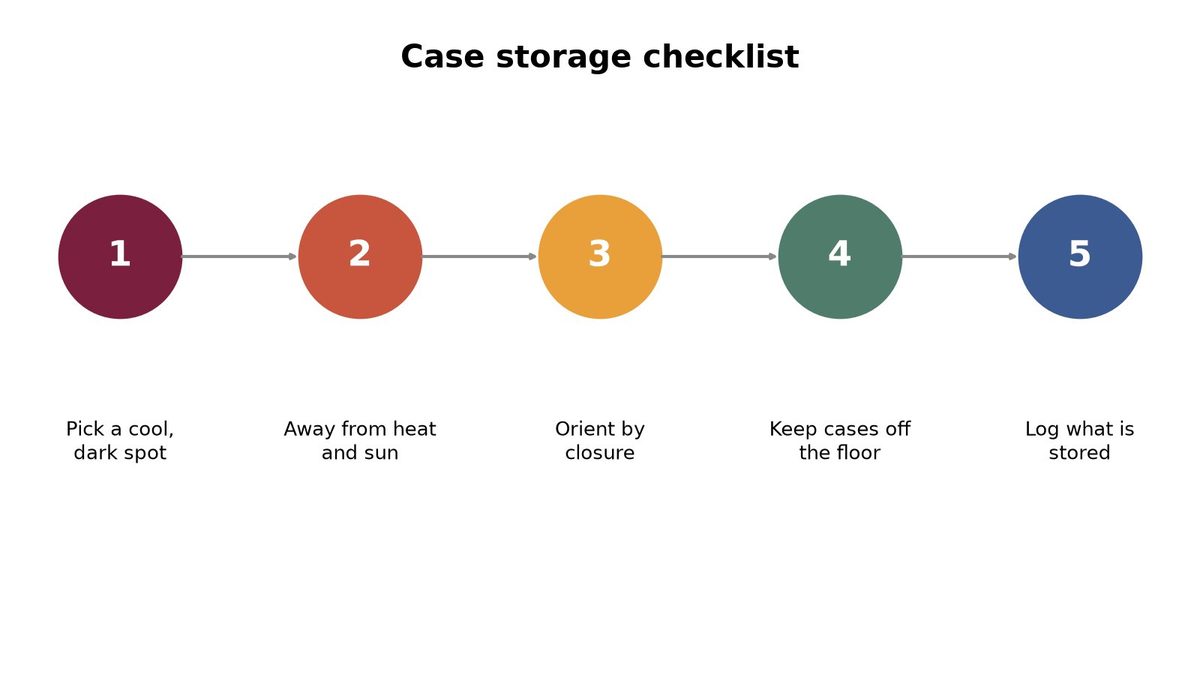
- Choose the spot before delivery. Cool, dark and steady.
- Check the delivery. Confirm bottle count and sizes against your order when it arrives. ID and adult signature are required at the door; see delivery.
- Sort by closure. Cork-sealed wine on its side; spirits upright.
- Keep heavy cases low. A case of 12 × 750 ml bottles weighs roughly 15–18 kg.
- Label the boxes with contents and the date they arrived.
- Put the first-to-open bottles in front.
- Chill only what you need for the next few days.
Checklist by category
- Red, white and rosé (cork): on side, 10–15 °C, dark.
- Wine (screwcap): any orientation, cool and dark.
- Sparkling: cool and dark, chill before opening; see sparkling wine.
- Vodka, gin, rum, tequila, whisky, cognac: upright, room temperature, out of the sun.
- Cream liqueurs: upright, cool, follow label after opening.
- Opened wine: reseal, fridge, a few days.
Browse the full wine range and see the FAQ for ordering questions.
Frequently asked questions
Do unopened spirits go bad?
Unopened standard spirits stored upright, away from heat and light, are stable for many years and do not continue to age in the bottle. Cream liqueurs are an exception and carry a best-before date.
Should wine be stored on its side?
Cork-sealed wine is commonly stored on its side so the cork stays moist. Screwcap wine can be stored either way.
Where should I store a case of wine without a cellar?
In the coolest, darkest, most stable place in your home, such as an interior closet or a cool basement storage area. Avoid the kitchen, garage and spots near heating.
Can I keep wine in the fridge long term?
A regular fridge is fine for days or a couple of weeks, but it is colder and drier than ideal for months of storage.
How long does opened spirits last?
Standard spirits remain safe for a long time once opened, but a bottle with lots of air space can change gradually. Keep it sealed and upright.
Related reading
- Liquor by the Case: How Case Pricing Works
- How to Plan a Multi-Case Order Across Categories
- Liquor Bottle Sizes: 375 ml to 1.75 L
- Wine Serving Temperatures by Category
- What "Sold Out by the Case" Means
You must be of legal drinking age in your province. ID and adult signature required at delivery.