How to Read a Wine Label: Vintage, Appellation, Producer and ABV
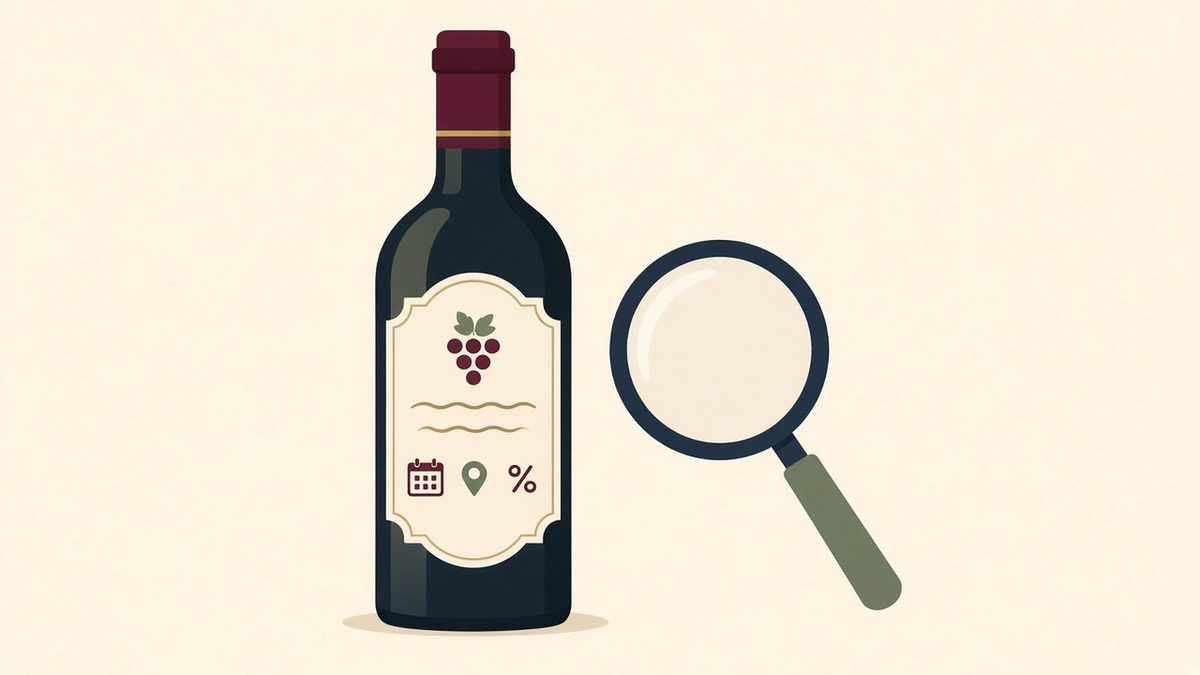
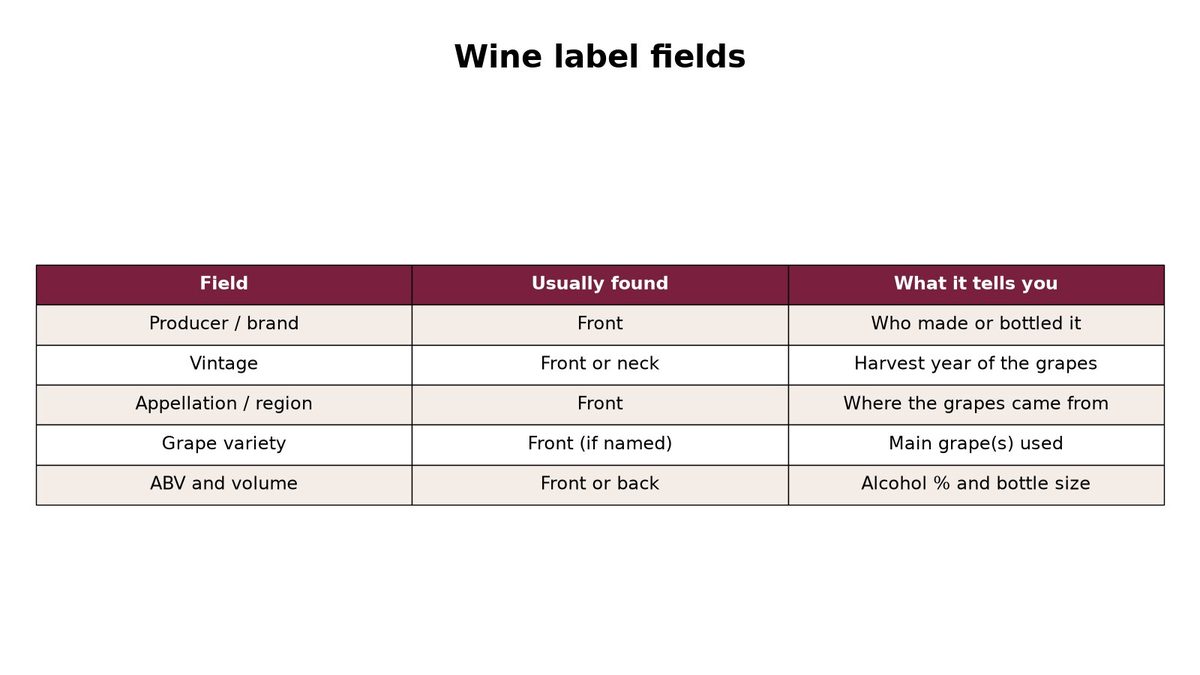
To read a wine label, find five fields: the producer or brand, the vintage (harvest year), the appellation or region, the grape variety if named, and the ABV and bottle size. Front labels carry the name and usually the vintage; back labels often carry ABV, allergens, importer and producer notes.
Wine labels can look crowded, but most of them follow the same structure. Some information is legally required where the wine is sold, some is required by the rules of the place it comes from, and some is marketing. This guide walks through each field, explains what it denotes and shows where you will find it on bottles in our catalogue. It covers wine only; spirits labels have their own rules.
The fields every wine label carries
Exact requirements vary by country of sale and country of origin, but most labels include:
- Producer, brand or bottler. Who made or bottled the wine.
- Wine name. Sometimes a brand name, sometimes a vineyard or cuvée name.
- Vintage (if it is a vintage wine).
- Appellation, region or country of origin.
- Grape variety (if the wine is named by grape).
- Alcohol by volume (ABV).
- Volume (for example 750 ml).
- Allergen statements such as "contains sulphites", where required.
- Importer or distributor details for imported wine.
Comparison: label fields at a glance
| Label field | Where it usually appears | What it legally denotes (general) | Example in our catalogue |
|---|---|---|---|
| Producer / brand | Front, often largest text | The company that made or bottled the wine | Yellow Tail, Barefoot |
| Vintage | Front, neck or back | Year most or all of the grapes were harvested; minimum percentage set by origin rules | Bertani Soave Original Vintage Edition |
| Appellation / region | Front | Legally defined area the grapes came from, under that area's rules | Villa Antinori Toscana IGT |
| Grape variety | Front, if named | The main grape; minimum share set by origin rules | Barefoot Chardonnay |
| ABV | Front or back | Alcohol percentage, within a permitted tolerance | All listings |
| Volume | Front or back | Bottle contents, such as 375 ml or 750 ml | All listings |
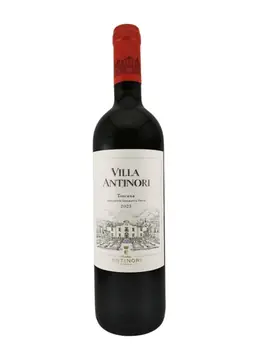
Villa Antinori Red Toscana IGT
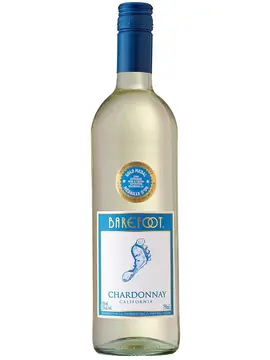
Barefoot Chardonnay
Producer and brand
The producer is the winery or company that made the wine. Sometimes the brand and the producer are the same; sometimes a large company owns several brands. Brand pages in our catalogue, such as Yellow Tail and Barefoot, group a producer's listings together, which is a quick way to compare bottle sizes and grape varieties from one label.
Look for phrases such as "produced and bottled by", "estate bottled" or "bottled by". These have specific meanings in some origin rules. "Estate bottled", for example, generally means the producer grew the grapes and made the wine on its own property, but the definition depends on the country.
Vintage and non-vintage
The vintage is the year the grapes were harvested, not the year the wine was bottled or released. Origin rules usually allow a small share of wine from other years; the required minimum differs by country.
Non-vintage (NV) wines blend wine from more than one year. This is common in sparkling wine, where producers blend across years to keep a consistent house style. Our Champagne vs Prosecco vs Cava vs Crémant post explains vintage terms for sparkling wine.
Practical note: listings may not always match the vintage of the bottle you receive, because vintages change as stock rotates. If the vintage matters to you, check the FAQ or ask before ordering.
Appellation and region
An appellation is a legally defined place of origin with its own rules. Examples include Bordeaux and Burgundy in France, Rioja in Spain and Marlborough in New Zealand. Appellation rules can control which grapes are allowed, maximum yields, minimum alcohol, ageing and labelling.
Different countries use different systems and abbreviations:
- France: AOC/AOP (Appellation d'Origine Contrôlée/Protégée) and IGP. Browse wines from France.
- Italy: DOCG, DOC and IGT. Browse wines from Italy.
- Spain: DOCa, DO and others.
- Many other countries: a geographical indication system that names the region.
"IGT Toscana" on Villa Antinori Bianco or Villa Antinori Red, for example, tells you the wine falls under the IGT category for Tuscany.
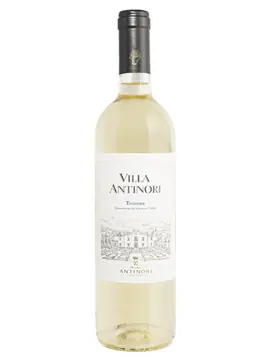
Villa Antinori Bianco Toscana IGT
Grape variety vs place-named wines
Some wines are named after the grape: Chardonnay, Sauvignon Blanc, Shiraz, Merlot. This is common for wines from Australia, New Zealand, the United States, Chile and Argentina. Examples include Yellow Tail Shiraz, Barefoot Chardonnay and Kim Crawford Sauvignon Blanc.
Other wines are named after the place, and the grape may not appear at all. Burgundy reds are usually Pinot Noir; Chianti is mostly Sangiovese; Soave is mostly Garganega. The appellation rules define the grapes, so the label does not need to. Bertani Soave and Bouchard Gevrey-Chambertin are place-named examples.
Where a grape is named, origin rules usually require a minimum share of that grape (often 75–85%, depending on the country). Our types of white wine and types of red wine posts explain the main grapes.
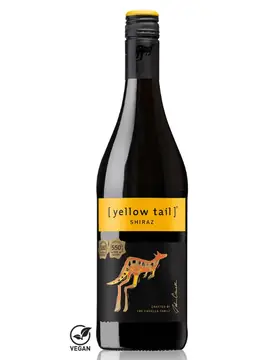
Yellow Tail Shiraz
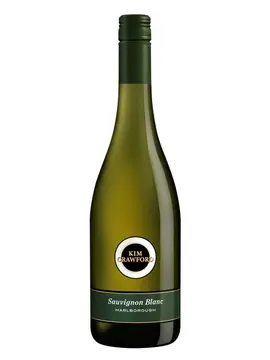
Kim Crawford Sauvignon Blanc
ABV and bottle size
ABV is printed as a percentage, such as 12.5% vol. Labelling rules allow a small tolerance between the printed figure and the actual alcohol content, so treat it as a close guide. Most still wines fall roughly between 11% and 15%; some styles are lower. See Low-Alcohol Wine and Spirits for lower-ABV styles.
Bottle size is printed as a volume. 750 ml is standard; 375 ml half bottles and 1.5 L magnums are also common. Our bottle sizes guide and price-per-litre calculator help compare across sizes.
Back-label terms
- Contains sulphites: sulphur dioxide is used in most wine; many jurisdictions require the statement above a threshold.
- Allergens: some rules require statements about fining agents such as egg or milk.
- Importer / bottled for: who brought the wine in or who it was bottled for.
- Tasting notes: these are the producer's marketing description, not a regulated term. We do not repeat them as fact.
- Serving suggestions: temperature ranges and food ideas, again from the producer. See our serving temperature chart.
- Oak or unoaked/unwooded: describes winemaking; usage is not always regulated.
Step by step: reading a label in 30 seconds
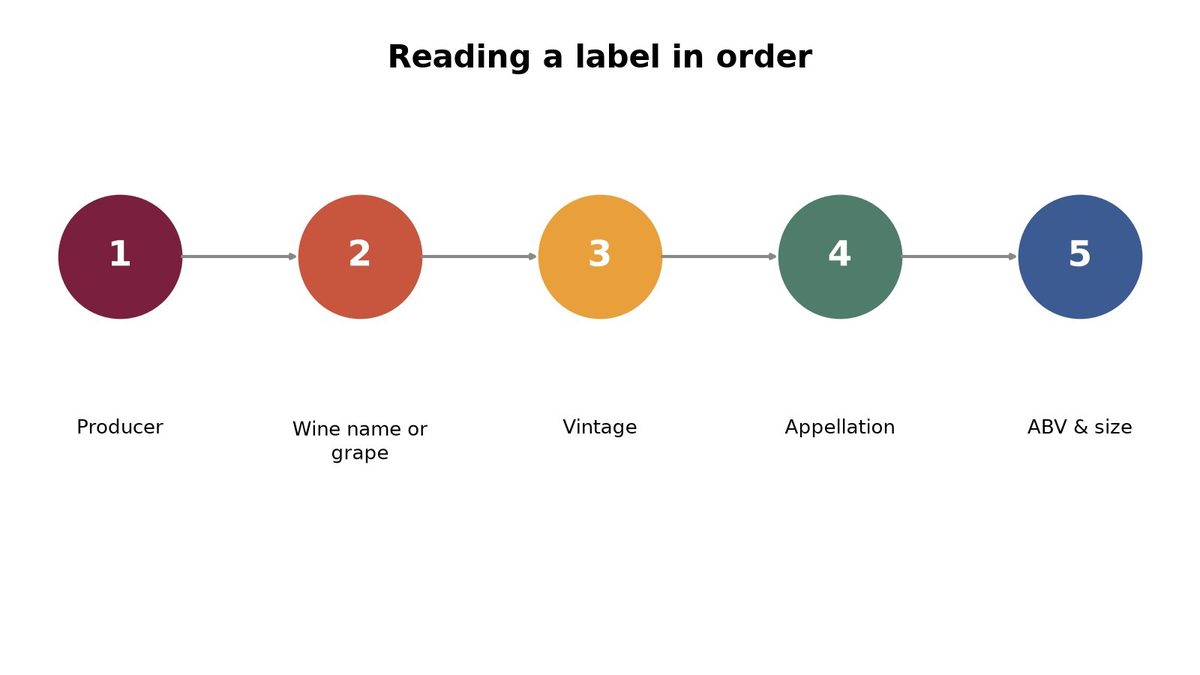
- Find the producer. Usually the largest name.
- Find the wine name or grape. Is it named by grape or by place?
- Find the vintage, or note NV.
- Find the appellation or region and its category abbreviation, if any.
- Read ABV and volume on the front or back.
- Turn the bottle for allergens, importer and producer notes.
Frequently asked questions
What does vintage mean on a wine label?
It is the year the grapes were harvested. Origin rules usually require a minimum share of grapes from that year.
What is an appellation?
A legally defined place of origin with rules on grapes, yields, production and labelling, such as Bordeaux, Rioja or Chianti.
Why do some labels name the grape and others the region?
Many traditional regions name the place because the rules define the grapes; many newer wine regions name the grape. Both are legal labelling systems.
Is "reserve" a regulated term?
In some countries it is linked to ageing rules; in others it has no legal definition. Check the origin country's rules before reading meaning into it.
Does a higher ABV mean a better wine?
No. ABV tells you alcohol content only.
Related reading
- Types of White Wine
- Types of Red Wine
- Champagne vs Prosecco vs Cava vs Crémant
- Port vs Sherry vs Vermouth
- What Is Orange (Skin-Contact) Wine?
You must be of legal drinking age in your province. ID and adult signature required at delivery.