Types of Red Wine: Cabernet, Merlot, Pinot Noir, Malbec and Shiraz
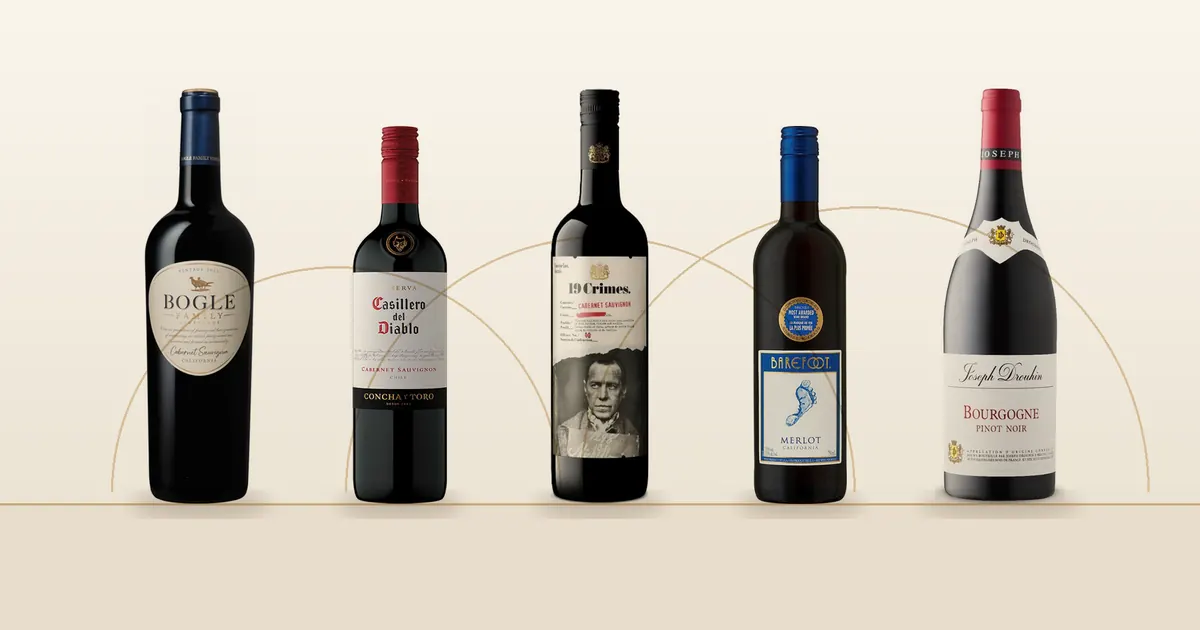
The main types of red wine are named after their grape. Five of the most widely planted are Cabernet Sauvignon, Merlot, Pinot Noir, Malbec and Shiraz (also called Syrah). Each has a traditional home region in France and is now grown worldwide. Red wine gets its colour and tannin from fermenting the juice with the grape skins.
How red wine is named
Wines are labelled in one of two ways. Varietal labels name the grape, which is common in Canada, the US, Australia, Chile, Argentina and New Zealand. Regional labels name the place, which is common in France, Italy and Spain. A Bourgogne Rouge, for example, is Pinot Noir by regional rules, even though the grape may not appear on the front label. A red blend may list several grapes, or none.
Our red wine page shows the origin of every bottle, often down to the region, so you can see both.
Five grapes at a glance
| Grape | Traditional home | Other well-known regions | Also called |
|---|---|---|---|
| Cabernet Sauvignon | Bordeaux (Left Bank), France | California (Napa Valley), Australia, Chile | — |
| Merlot | Bordeaux (Right Bank), France | Chile, California, Washington | — |
| Pinot Noir | Burgundy, France | Oregon, New Zealand, California | Pinot Nero (Italy), Spätburgunder (Germany) |
| Malbec | Cahors, south-west France | Mendoza, Argentina | Côt (France) |
| Shiraz / Syrah | Northern Rhône, France | South Australia, Washington | Shiraz (Australia), Syrah (France) |
Cabernet Sauvignon
Cabernet Sauvignon is a cross of Cabernet Franc and Sauvignon Blanc. It's a small, thick-skinned grape that ripens late, which is why it does well in warm, long-season regions. In Bordeaux it's usually blended with Merlot and other varieties. In California it's often bottled on its own.
In our catalogue at time of writing, 27 wines name Cabernet Sauvignon. Twelve are from California. Examples: Bogle Cabernet Sauvignon, Casillero del Diablo Cabernet Sauvignon from Chile and 19 Crimes Cabernet Sauvignon from Australia.
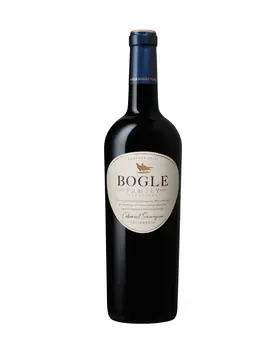
Bogle Cabernet Sauvignon
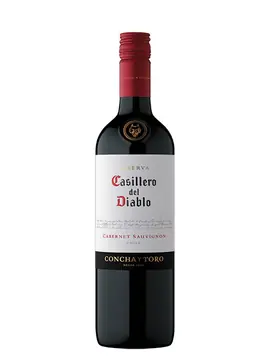
Casillero Del Diablo Cabernet Sauvignon
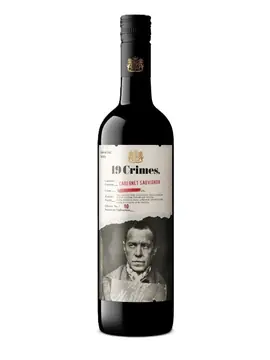
19 Crimes Cabernet Sauvignon
Merlot
Merlot ripens earlier than Cabernet Sauvignon and is the most planted grape in Bordeaux. Others include Barefoot Merlot from California.
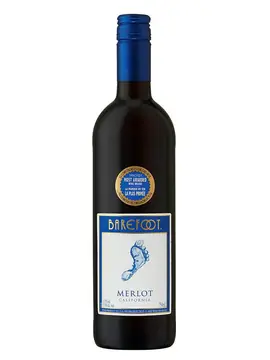
Barefoot Merlot
Pinot Noir
Pinot Noir is a thin-skinned, early-ripening grape associated with cool climates. It's the red grape of Burgundy and one of the three main grapes of Champagne. Examples: Drouhin Bourgogne Pinot Noir from Burgundy and Cloudy Bay Pinot Noir from New Zealand.
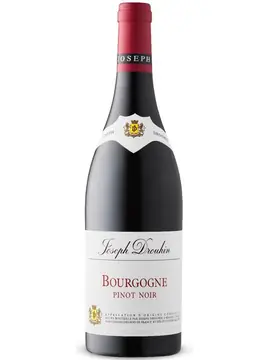
Drouhin Bourgogne Pinot Noir
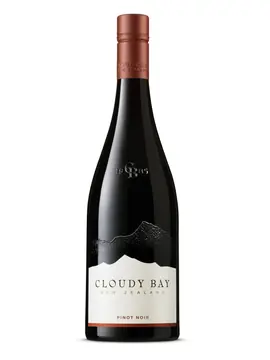
Cloudy Bay Pinot Noir
Malbec
Malbec was once widely planted in Bordeaux, and it's still the main grape of Cahors, where it's known as Côt. It's now most closely associated with Argentina, especially the high-altitude vineyards of Mendoza. Ten of our 13 Malbec listings are Argentine, including Catena Malbec Vista Flores.
Shiraz / Syrah
Syrah and Shiraz are the same grape. "Syrah" is used in France's northern Rhône (Hermitage, Côte-Rôtie) and in many other places, while "Shiraz" is the usual name in Australia. Eleven of our 18 Shiraz/Syrah listings are from South Australia, such as Banrock Station Shiraz.
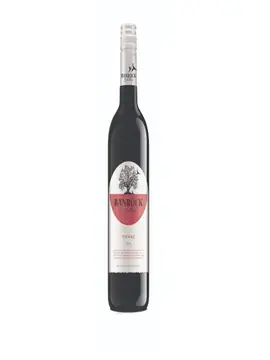
Banrock Station Shiraz
Our red wines by grape and origin
Here's how the five grapes appear in product names across our in-stock reds at time of writing. Blends that name two grapes are counted under each:
| Grape in product name | Listings | Most common origin | ABV range listed |
|---|---|---|---|
| Cabernet Sauvignon | 27 | California (12) | 12.0%–15.0% |
| Pinot Noir | 20 | California (7) | 8.0%–14.8% |
| Shiraz / Syrah | 18 | South Australia (11) | 11.0%–14.5% |
| Malbec | 13 | Argentina (10) | 13.0%–14.9% |
| Merlot | 11 | — | 12.5%–14.0% |
And our red wines overall by country:
| Country | Red wines listed |
|---|---|
| United States | 58 |
| Italy | 37 |
| Australia | 25 |
| France | 25 |
| Canada | 21 |
| Argentina | 20 |
| Spain | 14 |
Many reds, especially from Italy, France and Spain, are labelled by region, for example Chianti, Rioja or Bordeaux, so they don't appear in the grape counts. Browse by country through Italy, Argentina or Canada.
Serving and storing basics
Red wine is commonly served a little below room temperature, around 14–18 °C. Unopened bottles keep well in a cool, dark place with a steady temperature. If the bottle has a cork, store it on its side. Most red wine in our catalogue comes in 750 ml bottles, usually packed 12 to a case. For how case pricing works, see liquor by the case.
A standard drink in Canada's guidance is a 142 ml (5 oz) glass of 12% wine. Many reds are stronger than 12%, so check the ABV on the label.
Frequently asked questions
Are Shiraz and Syrah the same grape?
Yes. Shiraz is the name used mainly in Australia; Syrah is used in France and many other regions.
Why doesn't my French red name the grape?
Many French wines are labelled by region. Bourgogne Rouge is Pinot Noir, for example, and Bordeaux reds are usually blends led by Merlot or Cabernet Sauvignon.
Where does most Malbec come from today?
Argentina, particularly Mendoza. In our catalogue, 10 of 13 Malbec listings are Argentine.
Can I mix different reds in one case?
No. Each case holds one product, but you can add as many different cases as you like.
Related reading
You must be of legal drinking age in your province. ID and adult signature required at delivery.