Champagne vs Prosecco vs Cava vs Crémant: What the Labels Mean
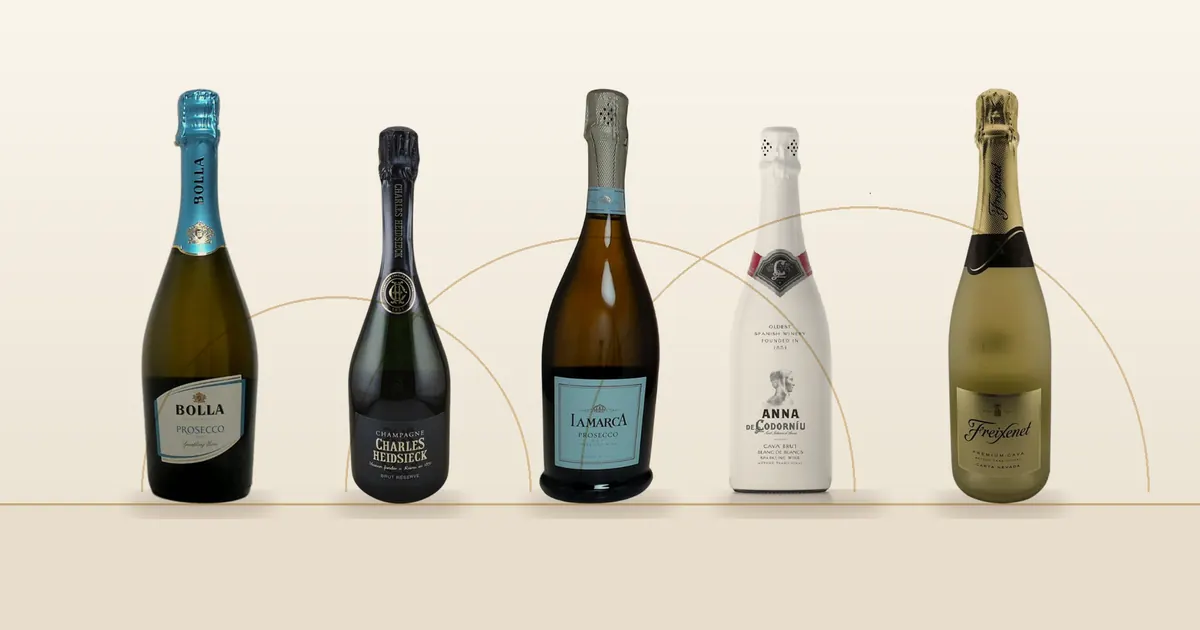
Champagne, Prosecco, Cava and Crémant are all sparkling wines, but each is a protected name with its own rules. Champagne comes only from France's Champagne region and gets its bubbles from a second fermentation in the bottle. Prosecco is Italian, made mostly from Glera, usually fermented in tanks. Cava is Spanish and Crémant French, both bottle-fermented.
Why the names are protected
Each of these four words is a geographical indication. A producer can only print it on the label if the wine is made in the defined area, from permitted grapes, by the permitted method. Our sparkling wine listings show the origin of every bottle so you can see which rules apply.
The four styles side by side
| Champagne | Prosecco | Cava | Crémant | |
|---|---|---|---|---|
| Country | France | Italy | Spain | France |
| Area | Champagne region | North-east Italy (Veneto and Friuli Venezia Giulia) | Mostly Catalonia (Penedès), with other permitted zones | Several French regions outside Champagne, e.g. Alsace, Bourgogne, Loire |
| Main grapes | Chardonnay, Pinot Noir, Pinot Meunier | Glera (at least 85%) | Macabeo, Xarel·lo, Parellada (others permitted) | Varies by region |
| Second fermentation | In the bottle (traditional method) | Usually in a pressurised tank (tank or Charmat method) | In the bottle (traditional method) | In the bottle (traditional method) |
| Minimum time on lees | 12 months within at least 15 months before release (non-vintage); 3 years for vintage | No bottle ageing required | 9 months | 9 months |
Traditional method vs tank method
The method is the biggest practical difference between these wines.
Traditional method (méthode traditionnelle): a still base wine is bottled with a little yeast and sugar. A second fermentation happens inside the sealed bottle, trapping carbon dioxide. The wine then rests on the spent yeast (the lees) for a minimum period before the sediment is removed and the bottle is topped up and corked. Champagne, Cava and Crémant are all made this way.
Tank method (Charmat or Martinotti): the second fermentation takes place in a large pressurised steel tank, and the wine is bottled under pressure afterward. Most Prosecco is made this way. The method is quicker and keeps the focus on the grape itself rather than on extended lees contact.
Neither method is "better". They are simply different production choices, and the label tells you which one you have.
Reading the sweetness scale
Sparkling wine labels in the EU use a legally defined scale based on residual sugar. The words can be counter-intuitive: "Extra Dry" is sweeter than "Brut".
| Label term | Residual sugar (grams per litre) |
|---|---|
| Brut Nature | 0–3 |
| Extra Brut | 0–6 |
| Brut | less than 12 |
| Extra Dry | 12–17 |
| Dry / Sec | 17–32 |
| Demi-Sec | 32–50 |
| Doux | more than 50 |
In our catalogue at time of writing, 45 sparkling wines carry "Brut" in the name. Some Prosecco listings, such as Bolla Prosecco Spumante Extra Dry, use "Extra Dry".
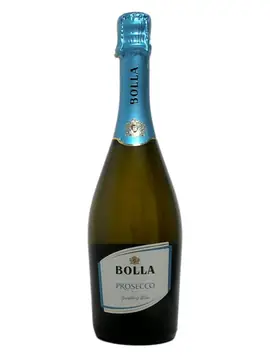
Bolla Prosecco Spumante Extra Dry
Other label words you'll see
- Blanc de blancs: made only from white grapes, usually Chardonnay in Champagne. Example: Champagne Henriot Blanc de Blancs.
- Rosé: pink sparkling wine. In Champagne it may be made by blending a little red wine into the white, which is unusual among European rosé rules.
- Vintage (millésime): made from a single year's harvest. Non-vintage wines blend several years.
- DOC / DOCG: Italian quality designations that appear on Prosecco labels.
- Spumante / Frizzante: Italian terms for fully sparkling and lightly sparkling wine.
Sparkling wine in our catalogue
Here is where our in-stock sparkling wines come from at time of writing:
| Origin | Sparkling wines listed |
|---|---|
| France | 68 |
| Italy | 19 |
| Spain | 9 |
| Germany | 2 |
| United States | 1 |
| New Zealand | 1 |
| Canada | 1 |
Most come in 750 ml bottles (88 of 101), with some 375 ml half bottles and a few 1.5 L magnums. The most common case is 6 bottles, followed by 12.
Examples by style:
- Champagne: Laurent-Perrier Héritage Brut and Charles Heidsieck Brut.
- Prosecco: La Marca Prosecco and Mionetto Il Prosecco DOC.
- Cava: Anna de Codorníu Reserva Cava and Freixenet Carta Nevada Brut.
- Crémant: none in stock at time of writing. When Crémant is listed, it will appear on the sparkling page with its region.
You can also browse by country through France, Italy and Spain.
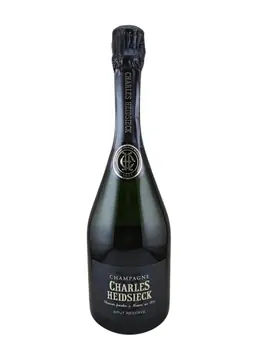
Charles Heidsieck Brut
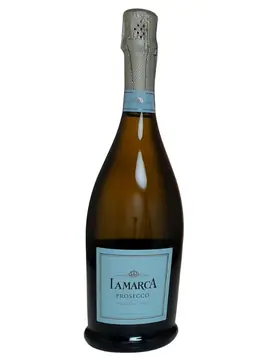
La Marca Prosecco
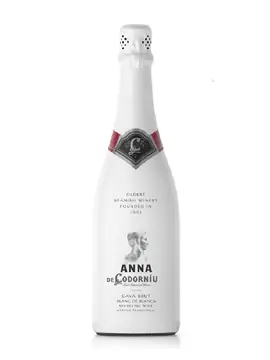
Anna De Codorniu Reserva Cava
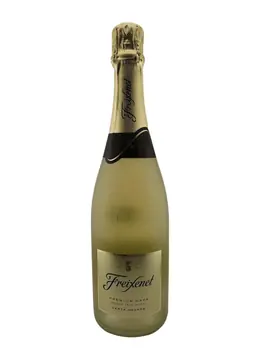
Freixenet Carta Nevada Brut
Serving basics
Sparkling wine is usually served chilled, commonly around 6–10 °C. Open it slowly, holding the cork and tilting the bottle away from people. A standard glass in Canada's drinking guidance is 142 ml (5 oz) of wine at 12% ABV, so a 750 ml bottle holds about five standard glasses. For toast planning by the case, see New Year's Eve Champagne.
Frequently asked questions
Is Prosecco a type of Champagne?
No. Prosecco is an Italian wine with its own rules and grapes. Champagne can only come from the Champagne region of France.
What does "Brut" mean?
It's a sweetness term meaning less than 12 grams of residual sugar per litre.
Is "Extra Dry" drier than "Brut"?
No. Extra Dry allows 12–17 g/L of sugar, which is more than Brut.
Are Cava and Crémant made the same way as Champagne?
They use the same traditional method, with a second fermentation in the bottle, but different grapes, regions and minimum ageing times.
Can I mix Champagne and Prosecco in one case?
No. Each case holds one product, but you can add as many different cases as you like.
Related reading
You must be of legal drinking age in your province. ID and adult signature required at delivery.