Wine Serving Temperatures by Category: A Data Chart

A wine serving temperature chart groups wines by category. Commonly published ranges are about 6–8 °C for sparkling, 7–13 °C for white and rosé, 12–14 °C for light reds, 15–18 °C for full-bodied reds and 12–18 °C for fortified wines. Producers' back labels take priority when they print a specific range.
Serving temperature is one of the few things about a bottle that the host controls completely. This guide sets out the ranges that producers, wine educators and trade bodies commonly publish, explains why they differ by category and gives approximate chilling times for a fridge and an ice bucket. All figures are general ranges, not measurements of any particular bottle. Where a producer prints a range on the label, follow the label.
Why temperature ranges are published
Temperature changes how a wine comes across. Colder temperatures make acidity and bubbles feel sharper and suppress aroma; warmer temperatures release more aroma but make alcohol more noticeable. That is why producers often print a suggested range, and why the ranges differ by category:
- Sparkling wines are served coldest because carbon dioxide stays dissolved better at low temperatures, which also means a calmer pour when you open the bottle.
- Whites and rosés are served chilled, with fuller-bodied whites at the warmer end.
- Reds are served colder than most homes, which is why "room temperature" advice is often misunderstood. Older guidance meant a cool room, not a heated living room in winter.
- Fortified wines vary by style, from chilled dry styles to cellar-cool sweet styles.
The chart: one row per category
| Category | Commonly published range (°C) | (°F) | Approx. fridge time from room temp | Approx. ice-and-water bucket time | Browse |
|---|---|---|---|---|---|
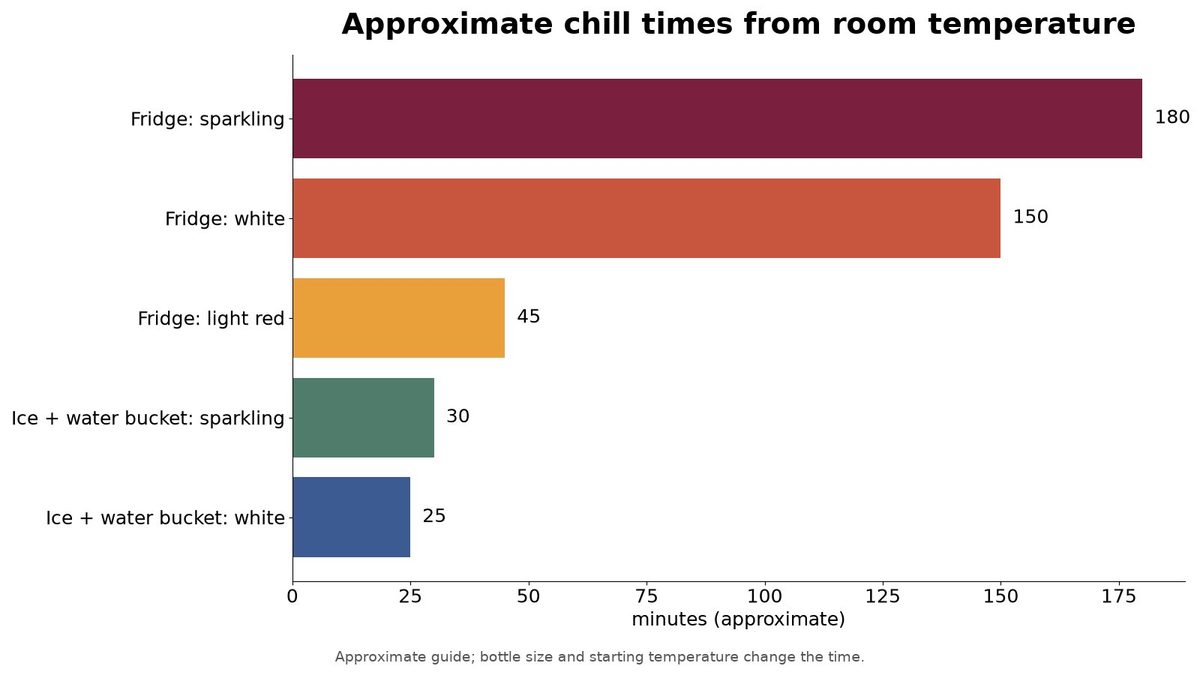
| Sparkling | 6–8 °C | 43–47 °F | 3 hours or more | 25–30 min | Sparkling wine |
| Light white and rosé | 7–10 °C | 45–50 °F | 2–3 hours | 20–25 min | White wine, Rosé |
| Full-bodied white | 10–13 °C | 50–55 °F | About 2 hours | 15–20 min | White wine |
| Light red | 12–14 °C | 54–57 °F | 30–45 min | About 10 min | Red wine |
| Full-bodied red | 15–18 °C | 59–64 °F | 15–20 min if the room is warm | 5 min | Red wine |
| Fortified (dry styles) | 7–10 °C | 45–50 °F | 2–3 hours | 20 min | Wine |
| Fortified (sweet styles) | 12–18 °C | 54–64 °F | Short chill if warm | A few minutes | Wine |
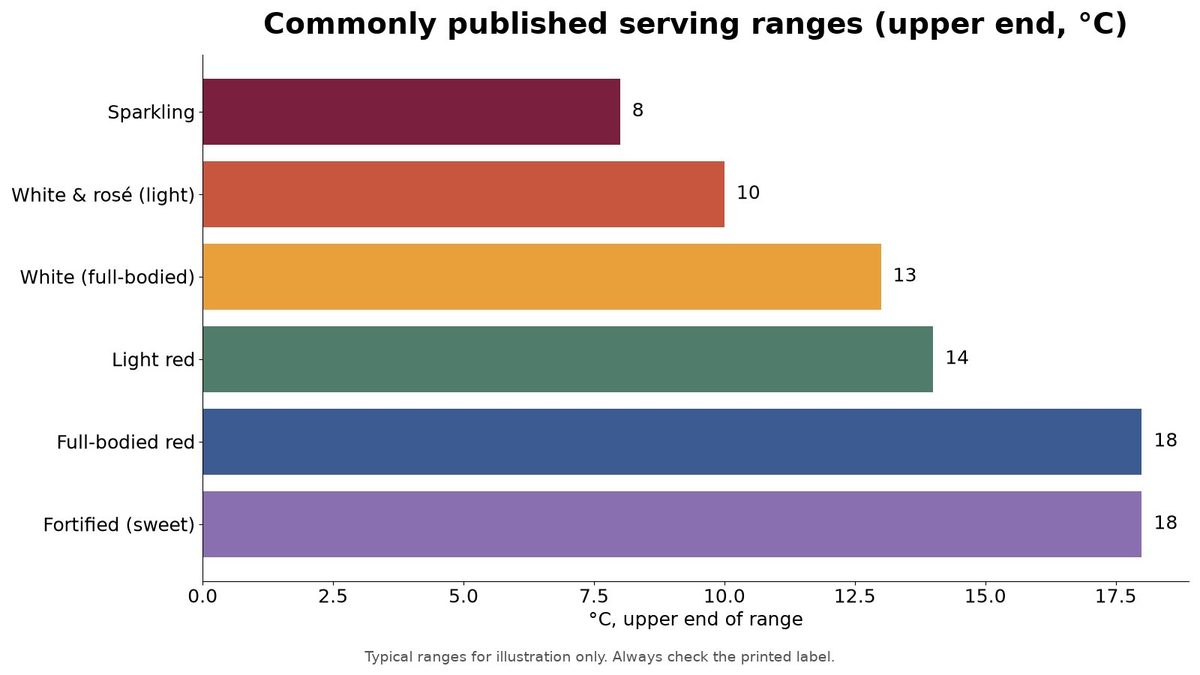
Times are approximate. Starting temperature, bottle size, how full the fridge is and the type of bucket all change the result. A 375 ml half bottle chills faster than a 1.5 L magnum.
Sparkling
Sparkling wine is usually served at 6–8 °C. That covers champagne, prosecco, cava and crémant. Some producers suggest a slightly warmer range for older vintage champagne. Cold bottles also open more calmly: a well-chilled bottle holds its pressure and foams less, which matters for safety. See how to open sparkling wine safely for the full method.
Examples in our catalogue include Moët & Chandon Brut Impérial, Veuve Clicquot Brut and La Marca Prosecco. For what the style names mean, read Champagne vs Prosecco vs Cava vs Crémant.
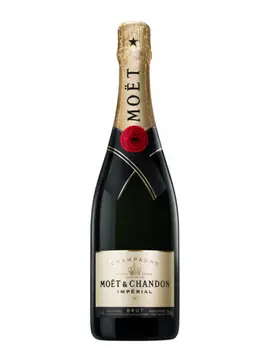
Moet & Chandon Brut Imperial
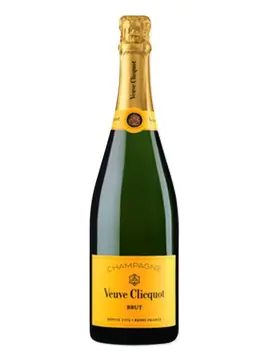
Veuve Clicquot Brut
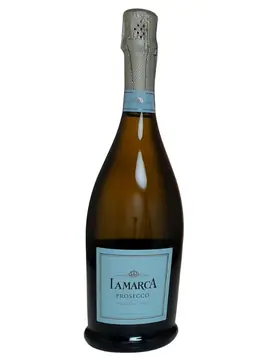
La Marca Prosecco
White and rosé
Light, unoaked whites and most rosés sit at 7–10 °C; fuller-bodied and oaked whites at 10–13 °C. A practical rule is to take fuller whites out of the fridge about 10–15 minutes before pouring.
Examples include Kim Crawford Sauvignon Blanc from the Kim Crawford range, Barefoot Chardonnay and Kim Crawford Rosé. Our types of white wine post explains the main grapes.
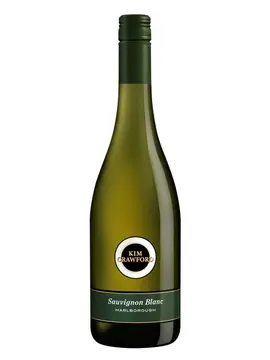
Kim Crawford Sauvignon Blanc
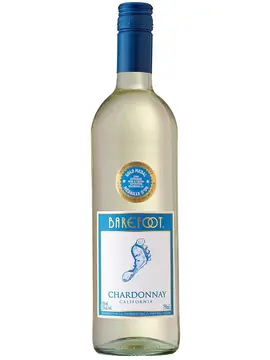
Barefoot Chardonnay
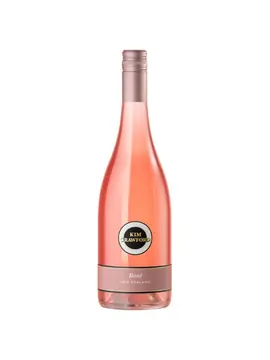
Kim Crawford Rose
Light and full-bodied reds
Lighter reds, such as many Pinot Noir and Gamay wines, are commonly served at 12–14 °C. Fuller reds, such as Cabernet Sauvignon, Shiraz and Malbec, at 15–18 °C. In a warm room, even a full-bodied red may benefit from 15–20 minutes in the fridge.
Examples include Apothic Red from the Apothic range and Yellow Tail Shiraz. Grapes are covered in types of red wine.
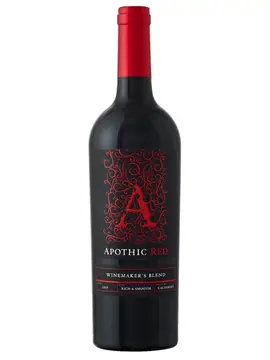
Apothic Red
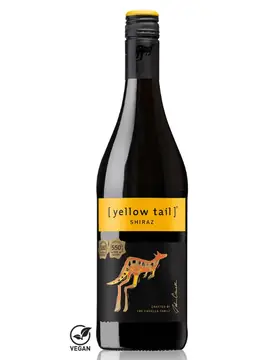
Yellow Tail Shiraz
Fortified wines
Fortified wines are a broad group. Dry styles such as fino sherry and dry white port are commonly served chilled, around 7–10 °C. Sweeter and richer styles such as tawny and ruby port are commonly served cellar-cool, around 12–18 °C. Vermouth is often kept in the fridge once opened. Our port vs sherry vs vermouth post explains the label categories.
Step by step: how to chill wine to the right range
In the fridge
- Check the category in the chart above.
- Lay or stand the bottle in the coldest part of the fridge, usually the back of a lower shelf.
- Set a timer using the approximate times above.
- Take fuller whites out a little early, about 10–15 minutes before serving.
- For reds, give a short chill only if the room is warm.
In an ice bucket
- Use ice and water, not ice alone. Water fills the gaps and chills the whole bottle surface, which is why it is much faster than ice on its own.
- Add a handful of salt if you want to speed it further; salt lowers the melting point of the ice.
- Submerge the bottle to the neck.
- Turn the bottle occasionally.
- Check after the times in the chart.
Things to avoid
- The freezer for long periods. A forgotten bottle can freeze, push out the cork or crack. If you use it at all, set a timer for no more than 20–30 minutes.
- Storing bottles in the fridge for months. Fridges are dry and cold, which is fine for days but not ideal long term. Our storage guide covers this.
How to tell the temperature without a thermometer
A wine thermometer that clips around the bottle is inexpensive and removes the guesswork. Without one, use touch: a bottle at sparkling temperature feels very cold and shows condensation quickly; a red at the right temperature feels slightly cool, not warm, in the hand.
Planning temperature for a group
When serving a crowd, temperature becomes logistics:
- Chill sparkling and white the day before and keep them in the fridge.
- Set up one or two ice-and-water buckets for service.
- Keep reds out of the kitchen, which is often the warmest room.
- Open bottles in stages rather than all at once, so they stay in range.
For quantities by the case, see how much alcohol for a wedding and Christmas wine and spirits planning.
Frequently asked questions
What temperature should red wine be served at?
Commonly published ranges are 12–14 °C for lighter reds and 15–18 °C for fuller reds. That is colder than most heated rooms, so a short chill can help.
How long does sparkling wine take to chill?
Roughly three hours or more in a fridge from room temperature, or about 25–30 minutes in a bucket of ice and water. Bottle size and starting temperature change the time.
Should fortified wine be chilled?
Dry styles such as fino sherry are commonly served chilled. Richer and sweeter styles such as ruby and tawny port are commonly served cellar-cool. Follow any range on the label.
Is it fine to chill white wine in the freezer?
Only briefly, with a timer. Left too long, wine can freeze and push out the cork or crack the bottle.
Does serving temperature matter for half bottles?
Yes, the ranges are the same. Half bottles simply reach them faster.
Related reading
- Types of White Wine
- Types of Red Wine
- Champagne vs Prosecco vs Cava vs Crémant
- Port vs Sherry vs Vermouth
- How to Store Unopened Wine and Spirits by the Case
You must be of legal drinking age in your province. ID and adult signature required at delivery.