Single Malt vs Blended Scotch: The Five Legal Categories
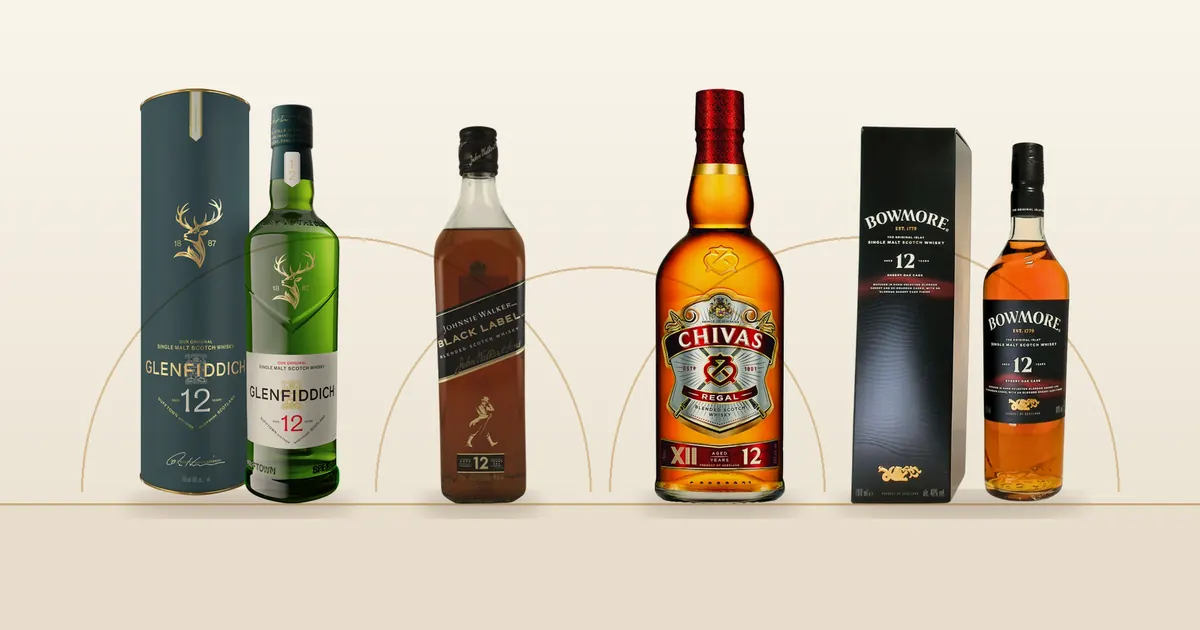
Single malt Scotch is made only from malted barley, in pot stills, at a single distillery. Blended Scotch combines one or more malt whiskies with one or more grain whiskies, often from many distilleries. Both must be made and aged at least three years in oak in Scotland. Neither is a quality grade; they're production categories.
The five legal categories
The Scotch Whisky Regulations 2009 define five categories, and every bottle of Scotch must be labelled with one of them:
| Category | Grain | Stills | Distilleries | Example in our catalogue |
|---|---|---|---|---|
| Single malt | 100% malted barley | Pot stills (batch) | One | Glenfiddich 12 Year Old |
| Single grain | Malted barley plus other whole cereals | Usually column stills | One | — |
| Blended malt | Single malts only | Pot stills | Two or more | Monkey Shoulder, labelled "blended malt" by its producer |
| Blended grain | Single grains only | Column stills | Two or more | — |
| Blended Scotch | Malt and grain whiskies | Both | Usually many | Johnnie Walker Black Label, Chivas Regal 12 |
"Single" refers to one distillery, not one barrel. A single malt is usually a blend of many casks from the same distillery. If a label says "single cask", that's a further, voluntary claim.
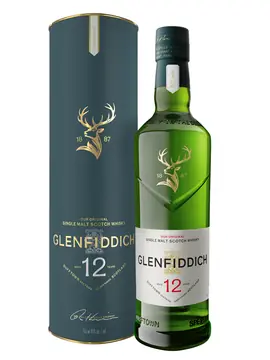
Glenfiddich 12 Yr. Old
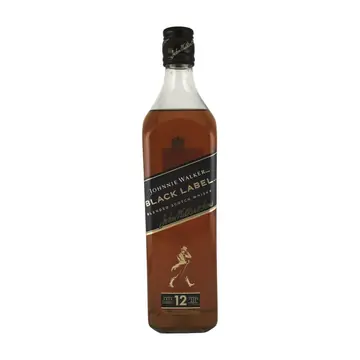
Johnnie Walker Black Label
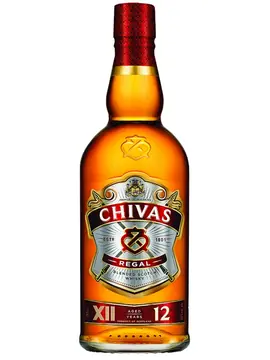
Chivas Regal 12 Year Old
Rules every Scotch must meet
- Distilled and matured in Scotland.
- Matured in oak casks of no more than 700 litres for at least three years.
- Bottled at a minimum of 40% ABV.
- Only water and plain caramel colouring (E150a) may be added.
Single malt in more detail
Single malt is made from malted barley, water and yeast only. It's distilled in copper pot stills, usually twice, at one distillery. Single malts are often grouped by region:
| Region | Note |
|---|---|
| Speyside | The region with the most distilleries |
| Highland | The largest region by area |
| Islay | An island known for whisky made with peat-smoked malt at several distilleries |
| Lowland | Southern Scotland |
| Campbeltown | A small region on the Kintyre peninsula |
| Islands | Often grouped with the Highlands (e.g. Skye, Orkney, Jura) |
Region names describe where a whisky was made, not how it will taste, and styles vary widely within each region. Peat smoke, for example, comes from drying malted barley over peat fires, and any distillery can use it.
Blended Scotch in more detail
Blended Scotch combines malt whisky with grain whisky, which is distilled in continuous column stills from wheat or maize plus malted barley. A blender may use dozens of whiskies to keep the house style consistent from batch to batch. Blended Scotch makes up most Scotch sold worldwide.
Age statements
An age statement, such as "12 Year Old", is the age of the youngest whisky in the bottle. A whisky without an age statement (often called NAS, no age statement) is still at least three years old by law.
Here are the most common age statements in our in-stock Scotch product names at time of writing:
| Age statement | Listings |
|---|---|
| 12 years | 33 |
| 18 years | 13 |
| 15 years | 10 |
| 30 years | 10 |
| 14 years | 7 |
| 25 years | 6 |
| 40 years | 5 |
| 10 years | 4 |
| 16 years | 4 |
| 21 years | 4 |
The rest either carry another age or no age statement in the name.
700 ml vs 750 ml
The EU standard spirits bottle is 700 ml, and Canada's is 750 ml. Many Scotches reach Canada in either size, so compare per-litre prices when sizes differ — more in liquor bottle sizes in Canada. Our in-stock Scotch at time of writing:
| Bottle size | Scotch listings |
|---|---|
| 750 ml | 105 |
| 700 ml | 49 |
| 1.14 L | 10 |
| 375 ml | 9 |
| 1.75 L | 8 |
| 800 ml | 1 |
The most common case is 6 bottles (118 listings). Twenty-three Scotches are packed one bottle per case, mostly older age statements. Scotch in our list runs from 40% to 64.7% ABV, with a median of 43%. Higher strengths are usually labelled "cask strength".
Reading a Scotch label
Look for these items:
- Category: single malt, blended, etc.
- Distillery or brand.
- Age statement, if any, which is the youngest whisky in the bottle.
- ABV, which is 40% or higher.
- Cask terms, such as "sherry cask" or "bourbon barrel", which describe how it was matured.
For example, Bowmore 12 Year Old Sherry Oak is an Islay single malt in a 700 ml bottle.
Browse everything on our Scotch page, or brand pages such as Johnnie Walker and Glenfiddich. For how Scotch sits alongside bourbon and Irish whiskey, see whisky vs whiskey vs bourbon vs Scotch.
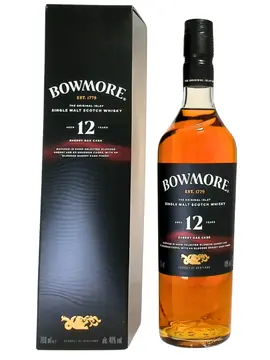
Bowmore 12 Year Old Sherry Oak
Frequently asked questions
Is single malt better than blended Scotch?
Neither is a quality grade. They're production categories, and preference is personal.
Does "single malt" mean one barrel?
No. It means one distillery. "Single cask" means one barrel.
What does "12 Year Old" mean?
The youngest whisky in the bottle has been aged at least 12 years.
What's the minimum age for Scotch?
Three years in oak casks in Scotland.
What is a blended malt?
A blend of single malts from two or more distilleries, with no grain whisky.
Related reading
You must be of legal drinking age in your province. ID and adult signature required at delivery.