What Is Rosé Wine? How It's Made and What the Label Terms Mean
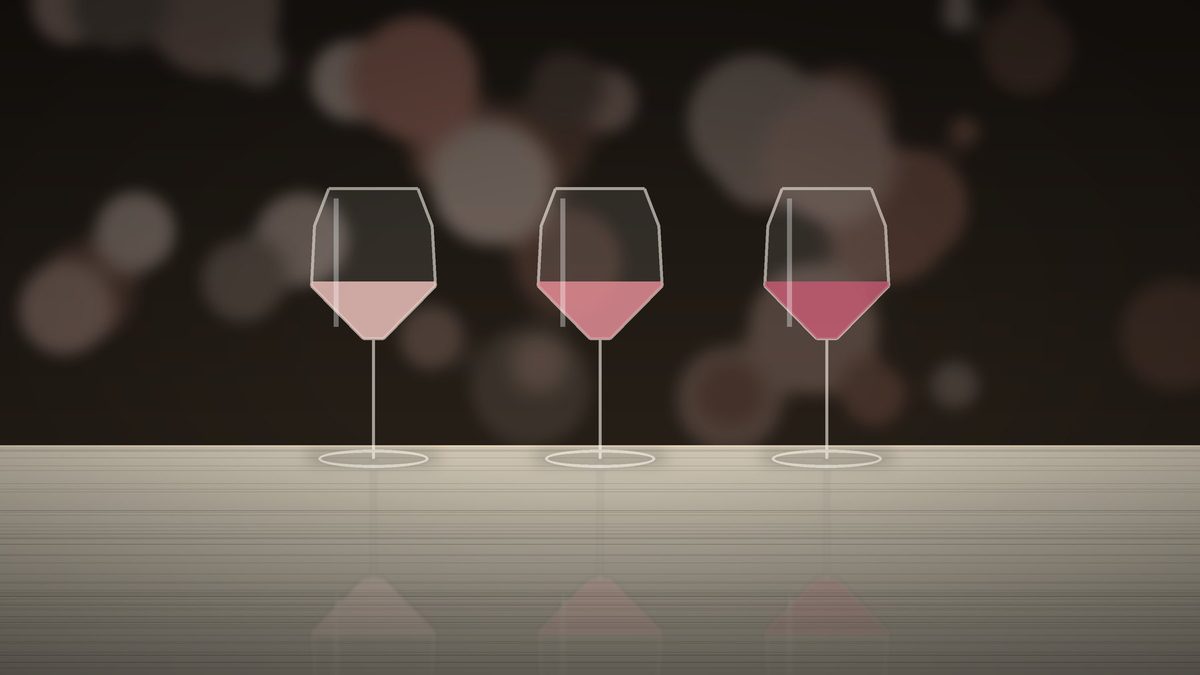
Rosé is wine made from red grapes with only brief skin contact, usually hours rather than days, so it takes on a little colour. The main methods are direct pressing, short maceration and saignée. Blending red and white wine is restricted for still rosé under many wine laws. Rosé can be still or sparkling, and dry or sweet.
Interest in rosé is steady rather than seasonal. In Google Trends, searches for rosé wine have edged up a little from late summer to now, with no sharp spike, so this is an evergreen explainer rather than a trend piece. Holiday tables are still a good moment for it: rosé is a common choice for sparkling toasts, brunch tables and mixed-wine dinners, and it is the category people ask about when they do not know what a label means. This guide explains how rosé is made, what the main label terms mean and how it differs from red and white wine. It sticks to production facts and describes colour only as a visible property, with no taste claims.
What gives rosé its colour?
Wine gets its colour from grape skins, not grape juice. Almost all grape juice is pale, including juice from red grapes. A red wine is dark because the juice stays in contact with the crushed skins for days or weeks while it ferments, and the skins release pigment. A white wine has little or no skin contact. Rosé sits in between: the juice from red grapes stays with the skins only for a short time, so it picks up a modest amount of pigment.
That is why shades of rosé run from nearly colourless through salmon and pink to a deep, almost light-red tone. The depth of colour depends on how long the skins were in contact, on the grape variety and on how thick the skins are. The shade does not tell you how sweet or dry the wine is.
The three main production methods
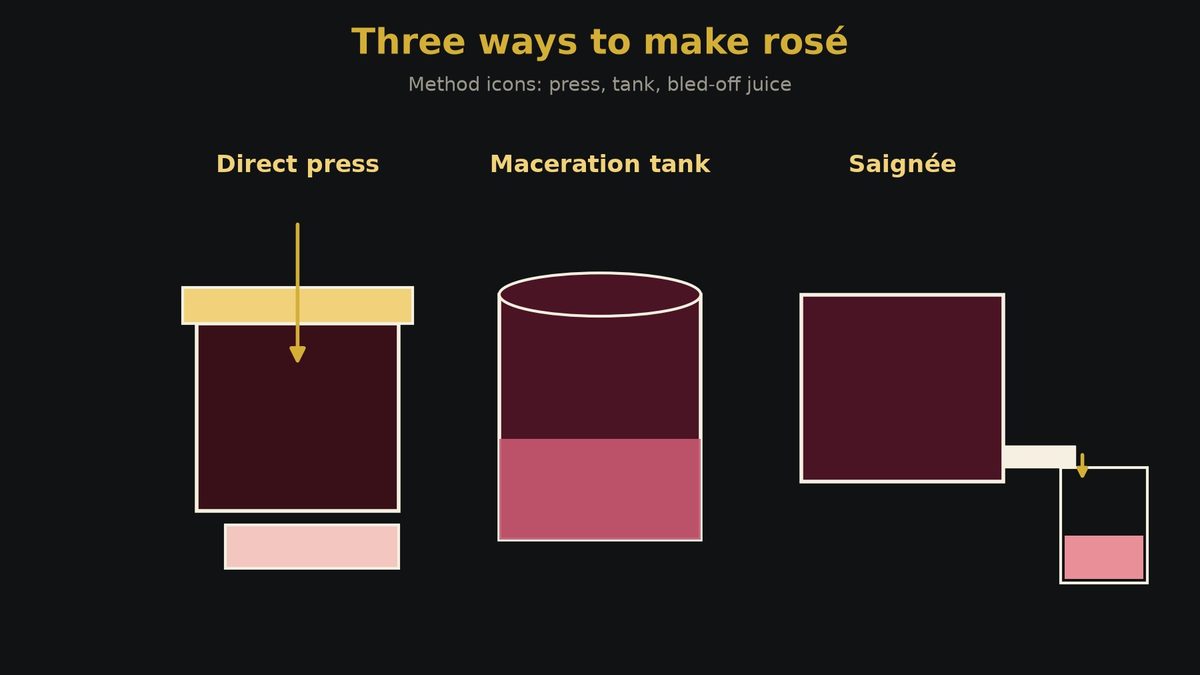
Direct press. Red grapes are pressed straight away, as if they were white grapes, so there is little or no skin contact. The juice is pale, and the wine is usually among the lightest rosés in colour.
Short maceration. Crushed red grapes are left in the tank with their skins for a short period, usually a few hours up to about a day, then pressed. The longer the skins stay in, the deeper the colour.
Saignée. The word means "bled". A winemaker makes red wine and, early in the process, draws off ("bleeds") a portion of the pink juice from the tank. That juice is fermented separately as rosé. The remaining red wine in the tank becomes more concentrated as a result. In some cellars rosé is a by-product of this process, and in others it is planned.
Comparison table: how rosé is made
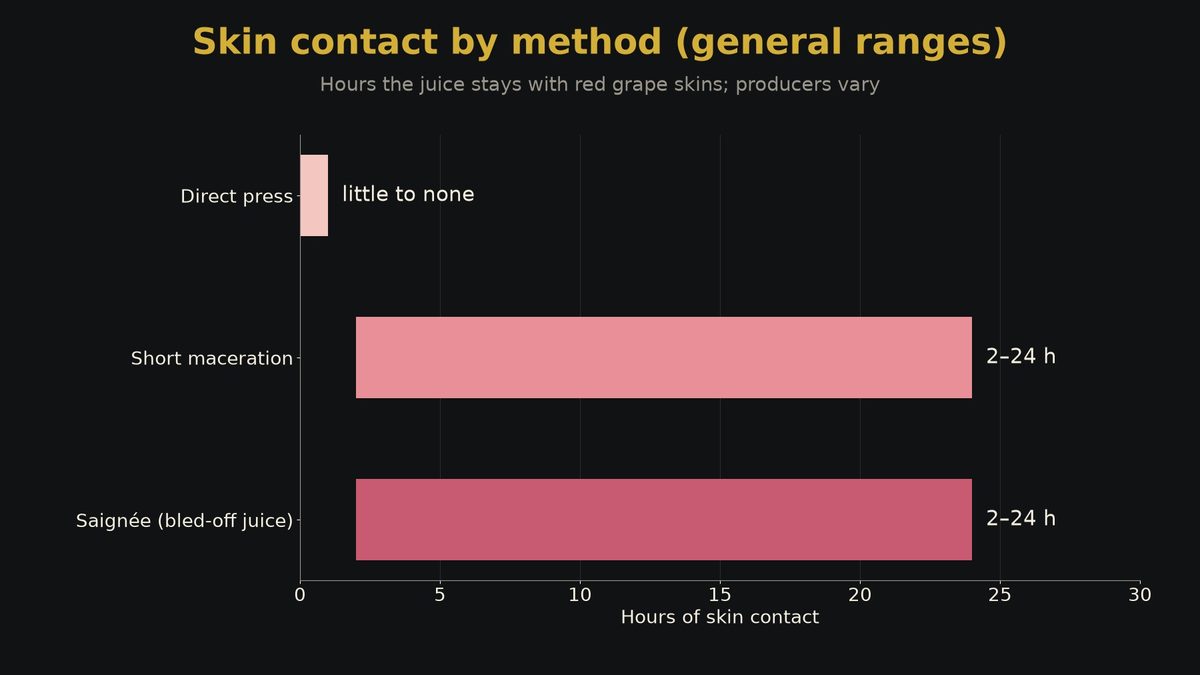
The skin-contact times are general ranges. Producers vary, and the label rarely states them.
| Method | Skin-contact time (general range) | Colour (described, not tasted) | Where it is common |
|---|---|---|---|
| Direct press | Little to none; grapes are pressed immediately | Pale pink to nearly colourless | Light, dry rosé made as a main product |
| Short maceration | About 2 to 24 hours | Pink to deeper pink | The most common method for still rosé |
| Saignée | The juice is drawn off after about 2 to 24 hours | Pink to deep pink | Producers who also make red wine in the same cellar |
| Blending red and white | None; red and white wine are mixed after fermenting | Pale pink to pink | Often used for sparkling rosé; restricted for still rosé under many wine laws |
Is rosé made by mixing red and white wine?
For most still rosé, no. Blending red and white wine is a recognised method in some places, and it is common in sparkling rosé, but many wine regions prohibit it for still rosé. A rosé made from red grapes with short skin contact is the standard approach.
Which grapes are used?
Almost any red grape can make rosé. Producers commonly use the same varieties that go into red wine, so you will see rosé made from pinot noir, grenache, syrah, cabernet sauvignon, merlot and many others. Some labels name the grape, and some blend several. If the label does not list the grape, it may list a protected-origin name instead. That name is a legal term that tells you where the grapes were grown and the rules the wine followed. Our how to read a wine label guide walks through these terms in detail.
Still rosé versus sparkling rosé
Still rosé has no bubbles. It is served chilled, in a standard white wine glass, and it is the style most people mean when they say "rosé".
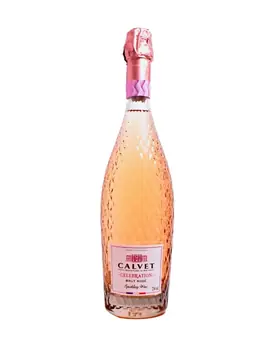
Sparkling rosé has bubbles from a second fermentation, either in the bottle or in a tank. It follows the same sweetness scale as other sparkling wine, from brut (dry) to demi-sec (sweet). Producers often make it by blending a little red wine into white base wine, which is permitted for sparkling wine in many places. Our brut vs extra dry vs demi-sec guide explains the sweetness terms, and our blanc de blancs vs blanc de noirs vs rosé guide explains how sparkling rosé fits alongside the other styles. An example from the catalogue is Calvet Brut Celebration Rosé, and the sparkling wine category lists more.
Calvet Brut Celebration Rose
Steps: reading a rosé label
- Find the origin name or country. It tells you where the grapes were grown. If the label has a protected-origin name, it follows rules for that region.
- Check the vintage. Most rosé is made to be sold and drunk within a year or two of harvest, so a recent vintage is the usual choice. A label with no vintage may be a non-vintage blend.
- Look for a sweetness term. "Dry" means little residual sugar. Sparkling wines use "brut" and similar terms. If the label has no term, the bottle may still be dry, and the producer's website will tell you.
- Check the ABV. Rosé is commonly 11% to 14%, and a bottle at 12% contains about 1.06 standard drinks per 150 ml glass.
- Check whether it is still or sparkling. Sparkling wines are labelled and usually have a wired cork or crown cap.
Catalogue examples across the range include Château Minuty M de Minuty Rosé, Château d'Esclans Rock Angel Rosé, Antinori Scalabrone Rosé and Bonterra Organic Rosé. Browse the whole rosé wine category. The label terms "organic" and "biodynamic" describe how the grapes were grown, and they are not sweetness terms.
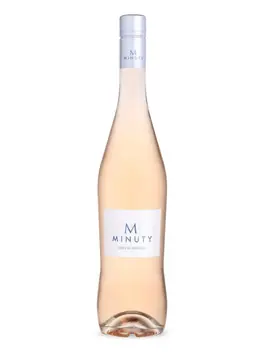
Chateau Minuty M De Minuty Rose
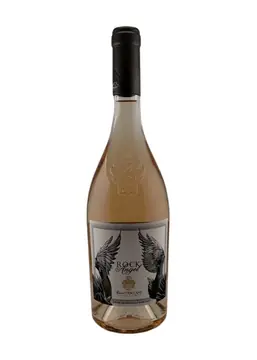
Chateau D'Esclans Rock Angel Rose
Antinori Scalabrone Rose
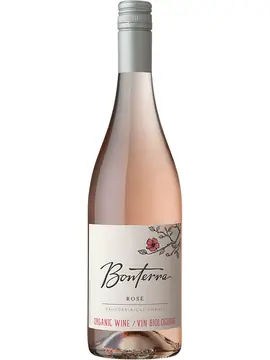
Bonterra Rose (Organic)
Serving and storage facts
Most rosé is served cold, in the same range as white wine. Our wine serving temperature chart gives the figures for each style. Rosé is usually made for young drinking, so check the vintage and avoid keeping a bottle for years unless the producer says it is made for ageing. Store it upright or on its side in a cool, dark place, away from heat and light. For the broader picture of red wine styles that sit next to rosé on a table, see our types of red wine guide.
Frequently asked questions
Is rosé made by mixing red and white wine?
For most still rosé, no. It is usually made from red grapes with short skin contact. Blending red and white is common in sparkling rosé, and many wine laws restrict it for still rosé.
What grapes are used for rosé?
Almost any red grape can be used. Common examples are pinot noir, grenache, syrah, merlot and cabernet sauvignon. Some labels name the grape and some do not.
Is rosé sweet or dry?
Both exist. Most still rosé is made dry, but some are off-dry or sweet. Check the label for a term such as "dry", or "brut" for sparkling wine, and check the producer's description.
What temperature should rosé be served at?
Chilled, like white wine. Our serving temperature chart gives a range for each wine style, and a standard refrigerator is a good starting point.
How long does rosé keep unopened?
Most rosé is made for young drinking and is usually enjoyed within a year or two of the vintage on the label. Follow the producer's guidance for any bottle meant for ageing. After opening, see our guide to how long opened wine lasts.
Does the colour of rosé tell you how sweet it is?
No. Colour comes from skin contact, not sugar. A deep pink wine can be dry, and a pale one can be sweet.
Related reading
- How to Read a Wine Label
- Brut vs Extra Dry vs Demi-Sec
- Wine Serving Temperature Chart
- Types of Red Wine
You must be of legal drinking age in your province. ID and adult signature required at delivery.