Brut vs Extra Dry vs Demi-Sec: Sparkling Wine Sweetness Labels Explained
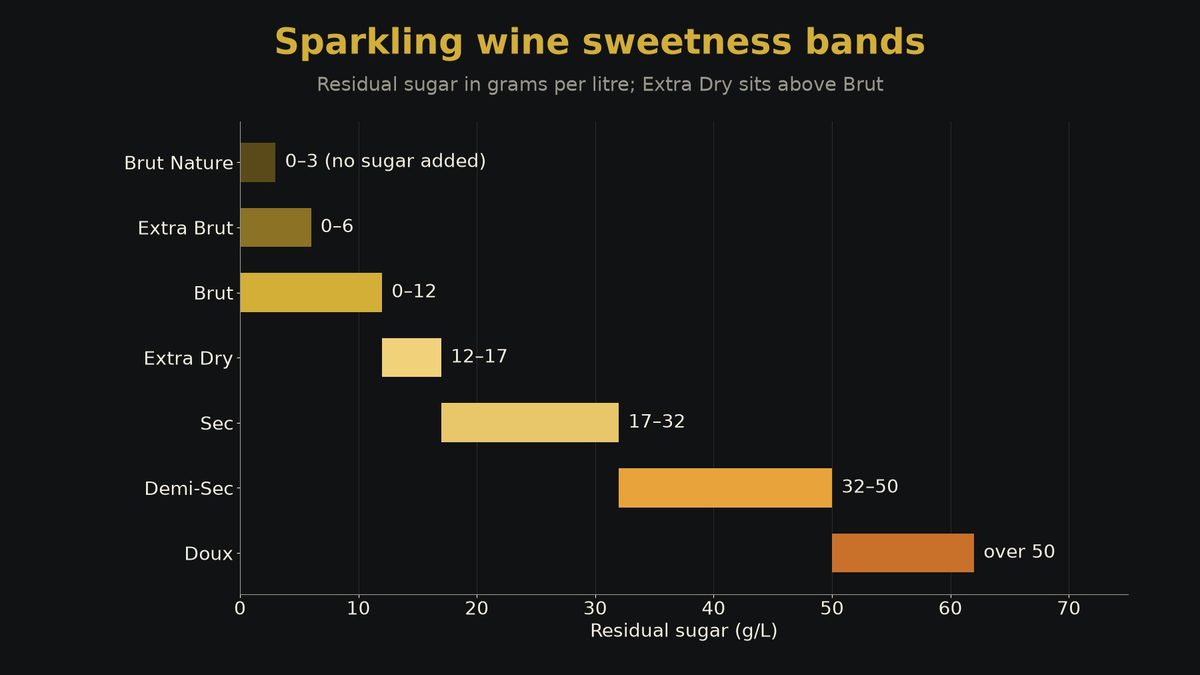
Brut is drier than Extra Dry. On a sparkling wine label, the sweetness word tells you how much residual sugar is in the bottle, not how the wine was made. Under the standard bands, Brut Nature is under 3 grams per litre, Extra Brut 0–6, Brut under 12, Extra Dry 12–17, Sec 17–32, Demi-Sec 32–50 and Doux above 50.
Searches for brut sparkling wine have been climbing through the autumn, which makes sense: holiday toasts and New Year's Eve are close, and the sweetness word is the part of the label people most often misread. This guide covers that one line of the label. It does not rank bottles, and it does not describe how any wine tastes. It explains what each term means, how the terms relate to each other, and how to use them when you plan a toast.
What the sweetness words actually measure
Every sparkling wine label carries a sweetness term because the law that governs sparkling wine labelling requires one. The word describes residual sugar: the grams of sugar left in each litre of the finished wine.
Most of that sugar comes from the dosage, a small dose of wine and sugar (sometimes only wine) added just before the final cork goes in. A producer who adds no sugar at all can use Brut Nature, also written as pas dosé or dosage zéro. A producer who adds a lot ends up in the Demi-Sec or Doux band.
Three things the sweetness word does not tell you:
- The production method. Traditional method, tank method and other methods can all carry any of the seven terms.
- The grapes or the colour. A rosé can be Brut. A white can be Demi-Sec. Grape and colour terms such as Blanc de Blancs are a separate line on the label.
- The quality level. No band is "better" than another. The bands simply describe sugar.
The full sweetness scale, in grams per litre
The seven terms below are the standard residual-sugar bands used on sparkling wine labels. A tolerance of up to 3 grams per litre applies at the edges, which is why Brut and Extra Brut overlap and why two bottles with the same word can sit at slightly different points in the band.
| Label term | Residual sugar (g/L) | Where it sits on the scale | Catalogue example whose name carries the term |
|---|---|---|---|
| Brut Nature (pas dosé, dosage zéro) | under 3, no sugar added | Driest | None named this way in the current list |
| Extra Brut | 0–6 | Very dry | None named this way in the current list |
| Brut | under 12 | Dry, the most common term | Moët & Chandon Brut Impérial, Charles Heidsieck Brut, Segura Viudas Brut Reserva |
| Extra Dry (Extra Sec) | 12–17 | Off-dry, sweeter than Brut | Check the label; the term is printed on many tank-method bottles |
| Sec (Dry) | 17–32 | Medium-dry | Taittinger Nocturne Sec |
| Demi-Sec | 32–50 | Medium-sweet | Read the label; no current product name prints this term |
| Doux (Sweet) | over 50 | Sweetest | None named this way in the current list |
To picture the size of the bands: 12 grams per litre is 9 grams of sugar in a full 750 ml bottle, or about 1.5 grams in a 125 ml flute. A Demi-Sec at 40 grams per litre has 30 grams in the bottle, about 5 grams per flute. Those are arithmetic from the band, not measurements of any named wine.
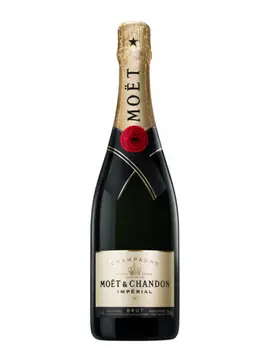
Moet & Chandon Brut Imperial
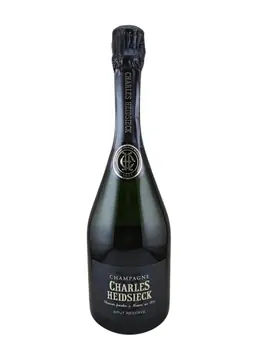
Charles Heidsieck Brut
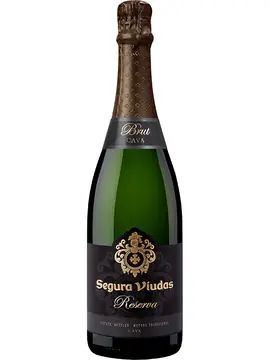
Segura Viudas Brut Reserva
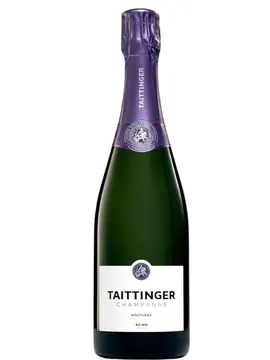
Taittinger Nocturne Sec
Why "Extra Dry" is easy to misread
The confusing part is history. The sweetness words were fixed when most sparkling wine was much sweeter than it is today. At the time, "dry" meant "less sweet than usual". When even drier styles became common, new words were needed, and brut (a word meaning raw or unrefined) was adopted for them. The older terms kept their original meaning.
The result is a scale where the plain-English words run backwards:
- Extra Dry sits above Brut, with 12–17 grams per litre.
- Sec, which simply means "dry", sits above Extra Dry.
- Demi-Sec, "half dry", is medium-sweet.
So if a guest says they want "the dry one", the bottle that matches that wish is usually labelled Brut, Extra Brut or Brut Nature, not Extra Dry. If a recipe or a host asks for Extra Dry by name, use Extra Dry, because the recipe writer chose that sugar level on purpose.
The same words across sparkling styles
Traditional-method sparkling wines, Cava, Crémant and tank-method sparkling wines all use the same seven sweetness words, because the labelling bands apply to sparkling wine in general rather than to a single style. What differs is how common each term is in each style.
- Traditional-method wines are most often labelled Brut, with Extra Brut and Brut Nature also common. Demi-Sec appears on a smaller number of bottles.
- Cava is most often labelled Brut or Brut Reserva in our list, as with the Codorníu Brut Clásico and Freixenet Carta Nevada Brut.
- Tank-method sparkling wines frequently use Extra Dry and Brut, and some also use Dry.
The method, grape and ageing terms on those bottles are separate from sugar. If you want to understand them, the wine label guide walks through each part of a label line by line.
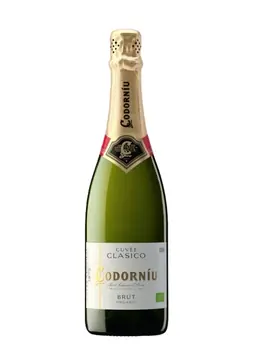
Codorniu Brut Classico
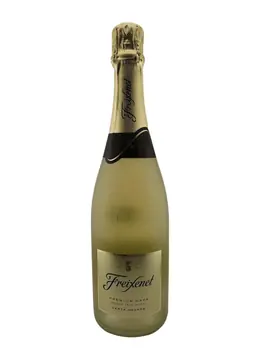
Freixenet Carta Nevada Brut
How to read the sweetness term on a label, step by step
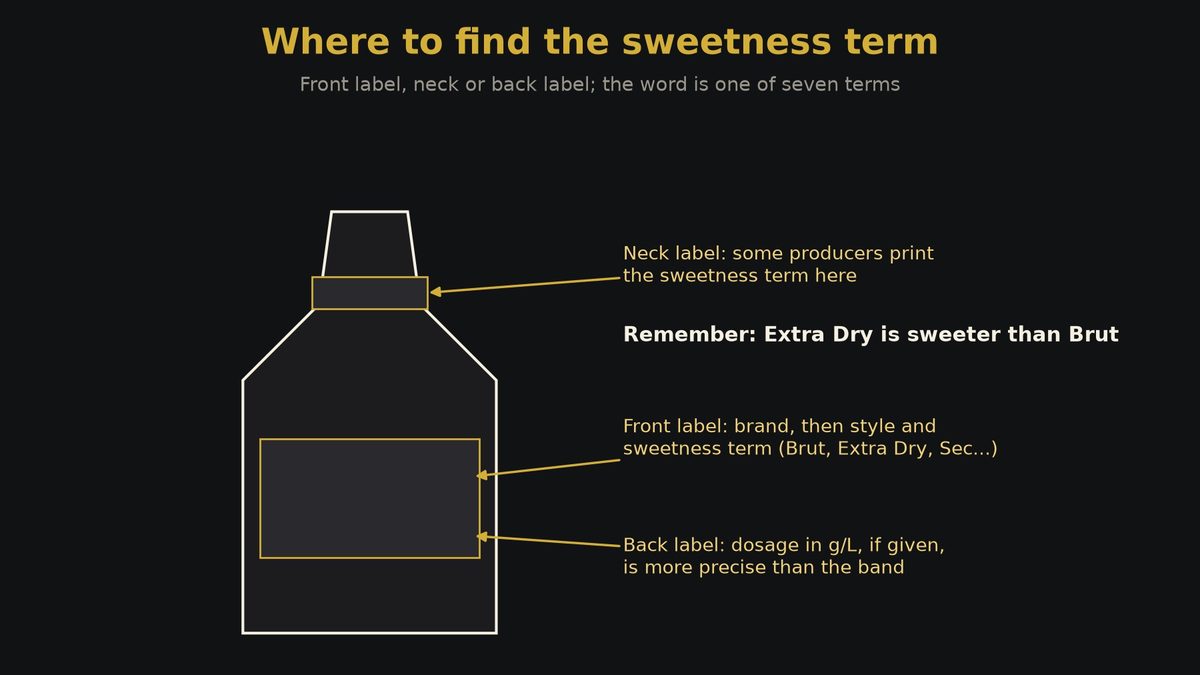
- Find the sweetness word. It is usually on the front label, near the style or brand name. Some producers put it on the back label or the neck. Look for one of the seven terms, or for its translation: dosage zéro, pas dosé, extra sec, seco, semi seco or dulce.
- Match it to the band. Use the table above. If the label also gives a dosage figure in grams per litre, that number is more precise than the band.
- Remember the reversal. Extra Dry is sweeter than Brut. Sec is sweeter than Extra Dry.
- Check the bottle size. A 375 ml half bottle, a 750 ml standard bottle and a 1.5 litre magnum all carry the same term if they hold the same wine. Size changes the number of pours, not the sweetness.
- Confirm on the live product page. Before you describe a specific bottle to guests or order a case, open its page and read the name and details. If a page does not print a sweetness term, do not assume one.
Choosing a case for a toast
Most toasts use one wine for everyone, so the sweetness term is worth settling before you order. A few practical points:
- Pick one band for the main toast. Mixing Brut and Demi-Sec in the same round means guests receive different wines from what look like identical bottles. If you want a choice, put the two styles in separate ice buckets and tell people which is which.
- Count servings from the bottle size. A 750 ml bottle gives six 125 ml flutes or eight smaller 90 ml toast pours. A 375 ml half bottle gives three flutes. For 40 guests at one flute each, that is 5,000 ml, or seven 750 ml bottles once you round up.
- Keep sweeter styles for the end of the meal if you serve both. That is a matter of order and planning, not a recommendation about taste.
- Mind the case size. Sparkling wine is listed by the case, and the bottle count per case is on each product page. Our case pricing guide explains how the per-bottle figure is worked out, and the price per litre calculator helps when you compare a half bottle with a standard bottle.
If you are planning a larger holiday order, the Christmas wine and spirits planning guide sets out a timeline, and the serving temperature chart covers how cold to keep each bottle until the toast.
What our catalogue labels say
At the time of writing, these sparkling wines in the sparkling wine category carry a sweetness term in the product name itself:
- Brut: Moët & Chandon Brut Impérial, Charles Heidsieck Brut, Piper-Heidsieck Essentiel Cuvée Brut, Taittinger Brut Réserve, Veuve Clicquot Brut, Segura Viudas Brut Reserva, Codorníu Brut Clásico and Freixenet Carta Nevada Brut.
- Sec: Taittinger Nocturne Sec.
- No band in the name: Moët & Chandon Nectar Impérial. The product name does not print a sweetness band, so read the bottle's label for the term rather than assuming one.
Brand pages group these by producer: Moët & Chandon, Taittinger, Veuve Clicquot and Charles Heidsieck. For bottles currently marked down, see the sale page, and for the holiday edit, the New Year's Eve collection.
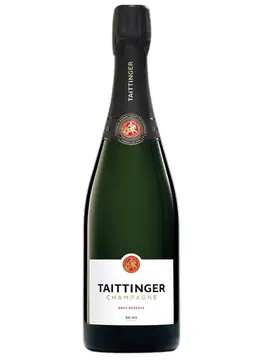
Taittinger Brut Reserve
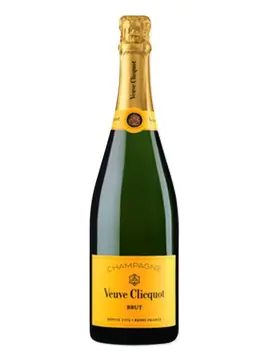
Veuve Clicquot Brut
Frequently asked questions
What is the difference between Brut and Extra Dry?
Brut has under 12 grams of residual sugar per litre. Extra Dry has 12–17 grams per litre. Despite the name, Extra Dry is the sweeter of the two.
Is Demi-Sec sweeter than Sec?
Yes. Sec covers 17–32 grams per litre and Demi-Sec covers 32–50 grams per litre. Only Doux, above 50 grams per litre, is sweeter than Demi-Sec.
Does Extra Dry mean the wine has no sugar?
No. Extra Dry wines have 12–17 grams of residual sugar per litre. The terms for wines with little or no added sugar are Brut Nature (under 3 grams, no sugar added) and Extra Brut (0–6 grams).
Do all sparkling wines use the same sweetness words?
Yes. Traditional-method wines, Cava, Crémant and tank-method sparkling wines use the same seven terms, sometimes translated. What changes is which terms are most common in each style.
What does Brut Nature mean?
Brut Nature means no sugar was added at dosage and the wine has under 3 grams of residual sugar per litre. You may also see it written as pas dosé or dosage zéro.
Does the bottle size change the sweetness term?
No. A half bottle, a standard bottle and a magnum of the same wine carry the same term. Size only changes how many glasses you pour.
Related reading
- How to Read a Wine Label
- Wine Serving Temperature Chart
- How Case Pricing Works
- Christmas Wine and Spirits Planning Guide
You must be of legal drinking age in your province. ID and adult signature required at delivery.