How to Decant Wine: When It's Done, Why, and How Long
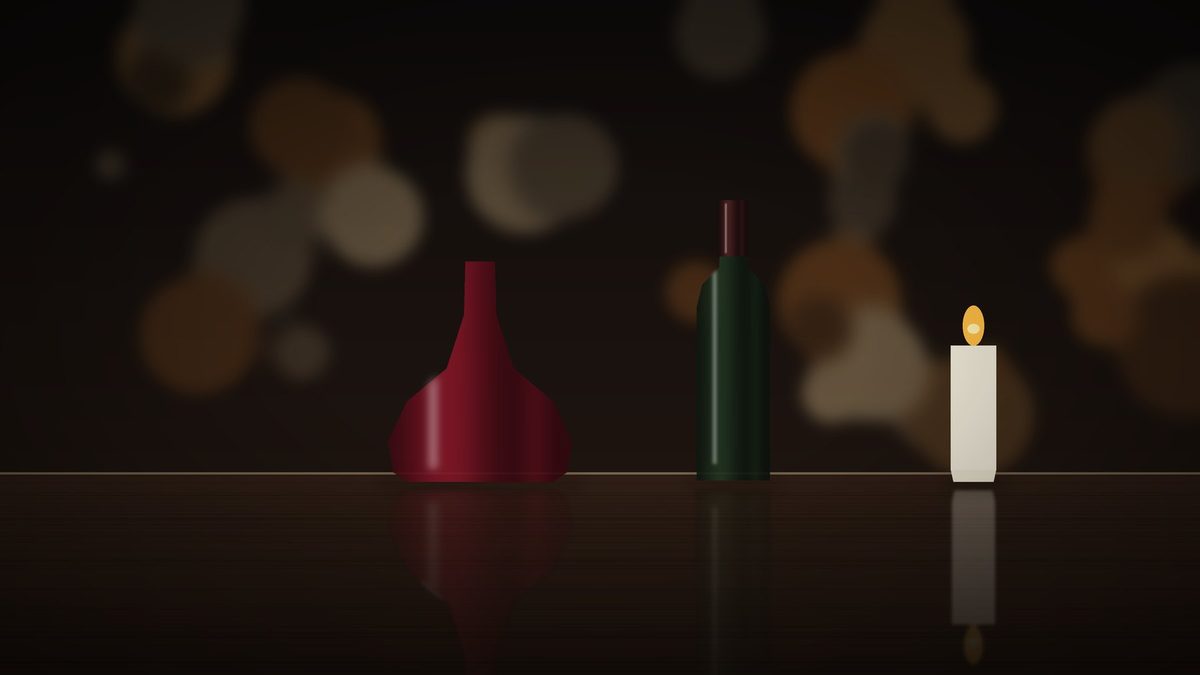
To decant wine, stand the bottle upright so sediment settles, then pour slowly into a clean decanter in one steady motion, watching the neck against a light. Stop when sediment reaches the shoulder. People decant mainly to separate sediment from older or unfiltered wines, and to expose young wines to air before serving.
Google Trends shows searches for decanters rising through the autumn, from a low base in late summer to a clearly higher level this month. That fits the calendar: decanters are a popular holiday gift and a regular feature of dinner tables from now through the new year. This guide covers why people decant, how to do it without clouding the wine, how long people typically allow, and how decanting differs from using an aerator or simply opening a bottle early. It describes practices and physical effects only. It does not claim that decanting changes any particular bottle for the better.
The two reasons people decant
There are two separate reasons, and they call for different handling.
1. Separating sediment. Some wines throw a deposit as they age: tiny solids made of pigment, tannin and tartrate crystals that settle at the bottom of the bottle. They are harmless but gritty, and they cloud the glass if the bottle is poured straight. Older reds and unfiltered wines are the usual cases. Here the aim is to leave the deposit behind. Pour gently, and do not agitate the bottle.
2. Air contact. Pouring wine into a wide vessel exposes it to air. Many people decant young, tightly structured wines for this reason, and then wait before serving. This is a practice, not a rule. How much air exposure any wine wants is a matter of personal preference, and it varies by bottle. When in doubt, pour a small glass first, wait, and decide.
A decanter does a third, plainer job as well: it is a serving vessel. A clear carafe on the table is simply a convenient way to share wine at a dinner.
Comparison table: decanting, aerating and opening early
Times below are common practice ranges. They vary by wine, so follow the producer's note where there is one.
| Method | Equipment | Typical time people allow | Main purpose |
|---|---|---|---|
| Decanting an older bottle | Decanter, a lamp or candle, steady hands | Pour just before serving; stand the bottle upright for a day or more beforehand | Leave sediment in the bottle |
| Decanting a young wine | Wide-based decanter | About 30 minutes to 2 hours before serving | Air contact before pouring |
| Aerating pourer or aerator | A pourer that mixes air into the stream | Seconds, during the pour | Quick air contact for one glass |
| Opening the bottle early | A corkscrew | 15–60 minutes, bottle left open | Slight air contact through a narrow neck |
Opening a bottle early exposes very little wine to air, because the neck is narrow. A decanter exposes far more surface. An aerator speeds the process up. None of these is required.
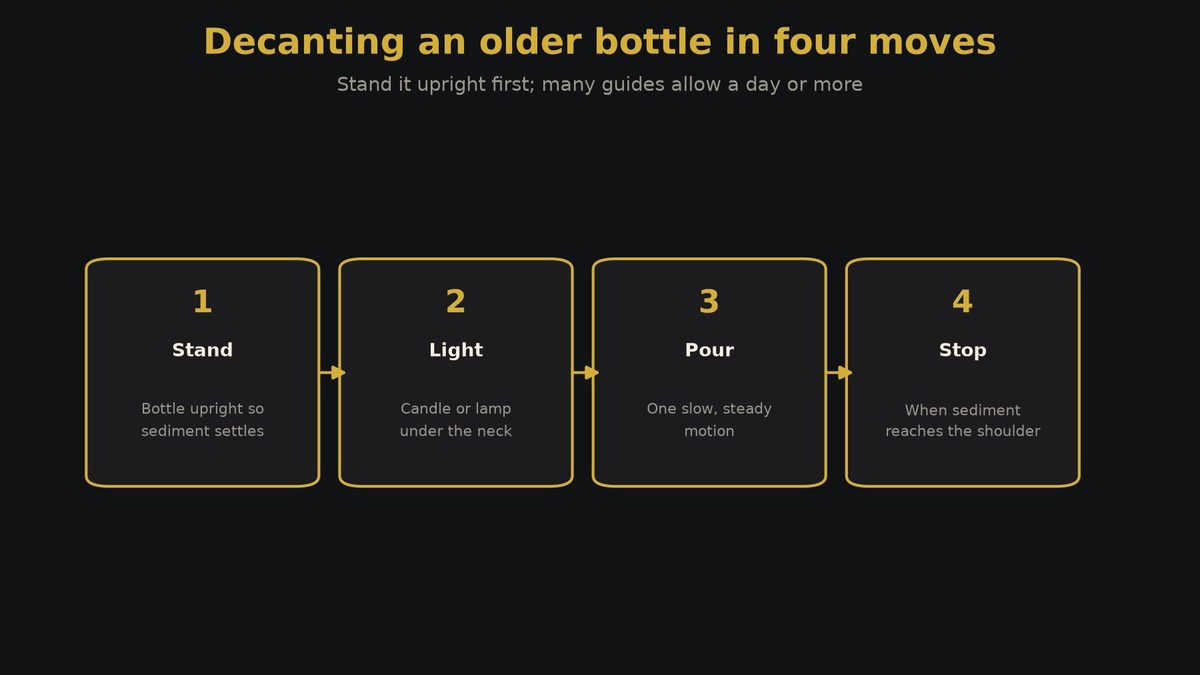
Steps: decanting an older bottle with sediment
- Stand the bottle upright. If the bottle has been lying on its side in storage, stand it upright for a day or more so the sediment slides to the bottom. Many guides give a day as a minimum for older bottles. If you are short of time, carry the bottle upright and avoid shaking it.
- Open it without shaking. Cut the foil, remove the cork steadily and wipe the neck clean. Keep the bottle as still as you can.
- Put a light under the neck. A candle or a phone torch held under the shoulder lets you see sediment travel toward the neck as you pour.
- Pour slowly, in one motion. Tilt the bottle gently and let the wine run down the inside of the decanter without stopping. A steady stream prevents the deposit from lifting off the bottom.
- Stop at the sediment. When you see a dark thread of solids approach the neck, stop pouring. A small amount of wine will stay in the bottle, and that is the point.
- Serve at the right temperature. Decanting does not fix temperature. Use the guide in our wine serving temperature chart and check the label.
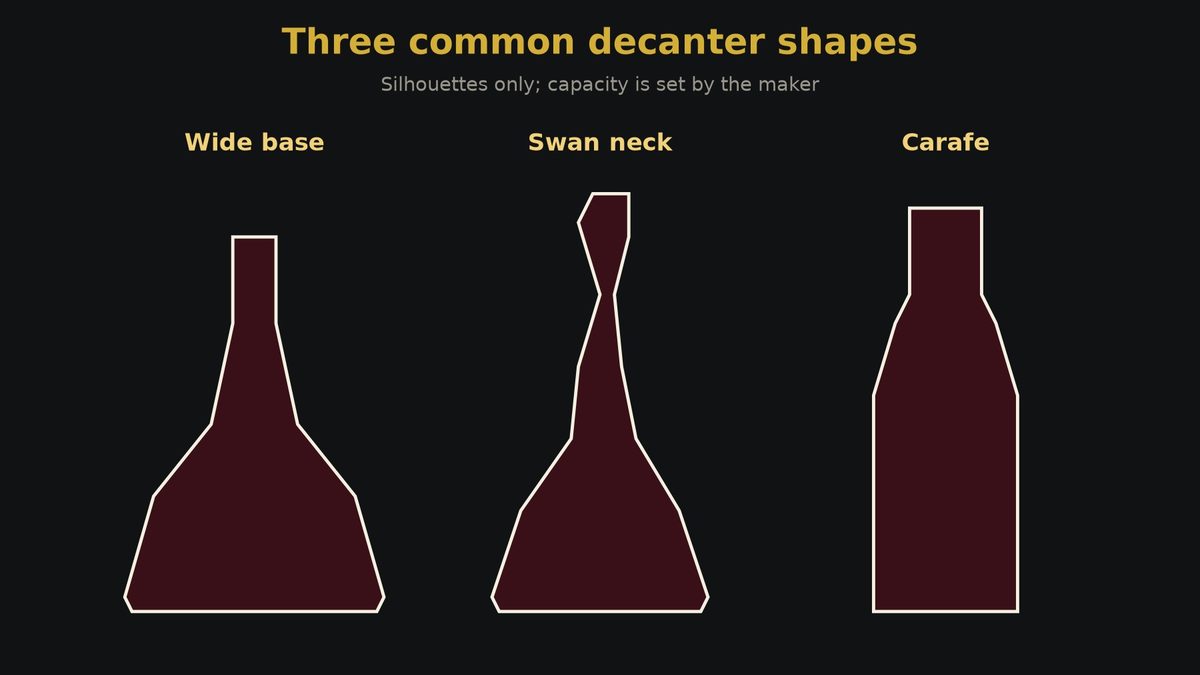
For young wines without sediment, skip steps 1 and 3. Pour into the decanter in a steady stream and let it stand. Decanter shapes are mostly a matter of looks and capacity: a wide base gives more surface, a swan neck is decorative and a plain carafe is easiest to clean.
Which wines are commonly decanted
- Older red wines. Sediment builds up with age, so these are the classic candidates. Aged bottles from the styles in our red wine guide may need a gentle pour.
- Young, full-bodied reds. Some people decant these for air contact before serving. Examples in the catalogue include Bodegas Esmeralda Catena Malbec and Bogle Cabernet Sauvignon, and the wider red wine category lists more. Producers rarely require it, so treat decanting as a choice.
- Some fortified wines. Older fortified bottles can also throw sediment, and are decanted with the same technique.
- Sparkling wine is usually not decanted. Pouring would release the bubbles. Serve it from the bottle, in flutes or tulips.
- Most everyday white and rosé wine is poured straight from the bottle.
If a bottle is a gift, remember that a decanter is only useful if the person can clean it. See the host gift wine and spirits guide for ideas that pair a bottle with a simple accessory.
Bodegas Esmeralda Catena Malbec
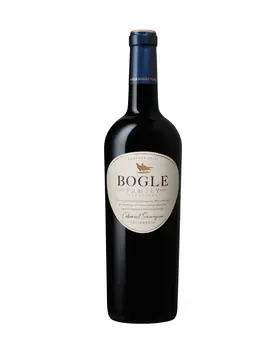
Bogle Cabernet Sauvignon
Cleaning and drying a decanter
Decanters are awkward to clean because of their narrow necks. A few habits make it easy.
- Rinse straight after use. Wine stains set when they dry. Warm water, swirled, removes most of the deposit.
- Avoid detergent if you can. Soap residue is hard to rinse out of a narrow neck and can leave a smell. If you need to use it, rinse several times.
- For stains, use a cleaning bead or a baking soda paste. Stainless steel cleaning beads swirled with warm water scrub the inside surface.
- Dry upside down. Use a drying stand, or a tall glass with a folded cloth under the neck so air can get in.
- Keep the stopper off during storage. A stoppered, damp decanter can smell stale.
For storage of the wine itself, see our how to store wine and spirits guide. For what happens after the bottle is open, see how long opened wine lasts. To read the label before you pour, see how to read a wine label.
Frequently asked questions
Do you need to decant every wine?
No. Most everyday wine is poured straight from the bottle. Decanting is mainly used for older bottles with sediment, and as an optional step for some young reds.
How long should red wine sit in a decanter?
There is no fixed time. Practice ranges from about 30 minutes to 2 hours for young reds. Older bottles are decanted just before serving, because aged wine can change quickly once it meets air. Follow any note from the producer, and taste a small pour as you go.
Can you decant white or sparkling wine?
You can decant white wine, and some people do it to serve it in a chilled carafe. Keep it cold. Sparkling wine is generally not decanted, because pouring it that way releases the bubbles.
What is the difference between a decanter and an aerator?
A decanter is a vessel that holds the wine and gives it a large surface. An aerator is a small device that mixes air into the wine as it is poured. A decanter can also separate sediment, which an aerator does not.
How do you clean a decanter?
Rinse it with warm water right after use, scrub stains with cleaning beads or a baking soda paste, and dry it upside down on a stand. Avoid leaving detergent in the neck.
Does decanting remove alcohol?
No. Pouring wine into a decanter does not change its alcohol content in any meaningful way. A standard 150 ml (5 oz) glass of 12% wine is still about one standard drink.
Related reading
You must be of legal drinking age in your province. ID and adult signature required at delivery.