Gin Martini vs Vodka Martini: Dry, Wet, Dirty and Gibson Explained
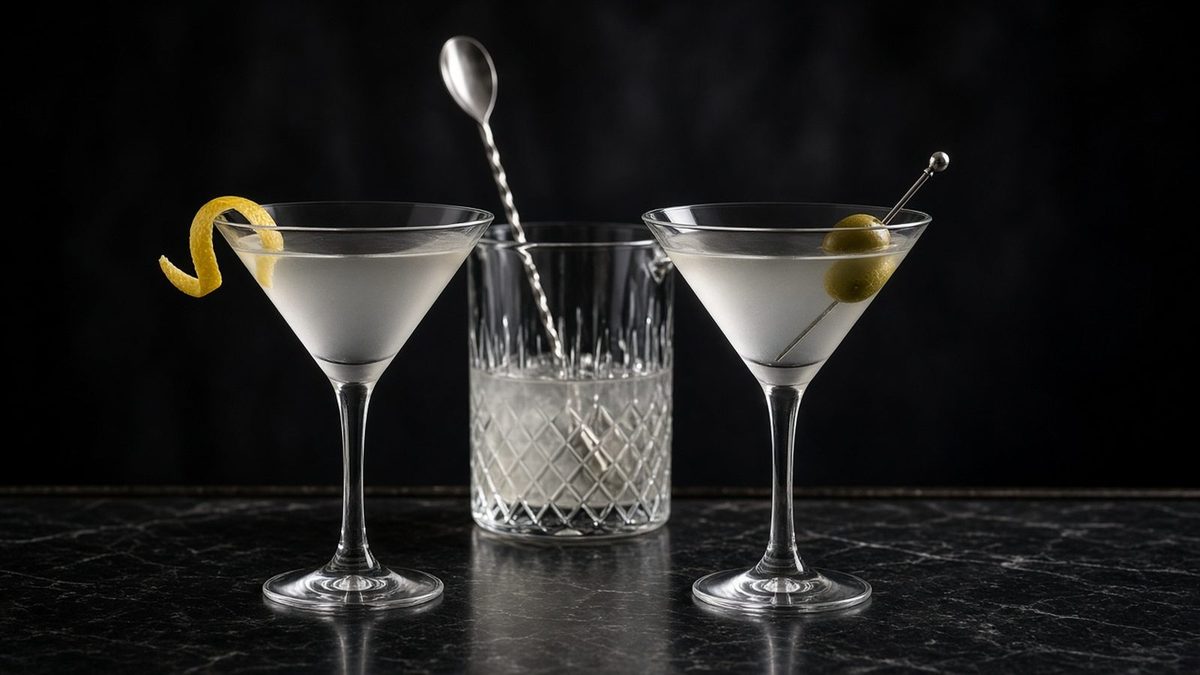
The gin vs vodka martini difference is the base spirit: gin brings juniper and botanicals, vodka is neutral by design. Both are mixed with dry vermouth, commonly around five parts spirit to one part vermouth. "Dry" means less vermouth, "wet" means more, "dirty" adds olive brine and a Gibson is garnished with a cocktail onion.
Martinis look simple and come with a surprising amount of vocabulary. This guide explains each term, gives measured recipes for the main versions and covers the one ingredient most people store wrongly: vermouth.
What a martini is
A martini is a spirit-forward cocktail of gin or vodka plus dry vermouth, stirred with ice and strained into a chilled stemmed glass. Garnish is a lemon twist or olive. The original recipes used gin; vodka martinis became widespread in the twentieth century.
Gin vs vodka base
Gin is a neutral spirit flavoured with juniper and other botanicals. "London Dry" is a production category, not a place of origin: it means botanicals are added during distillation and almost nothing is added afterwards except water. Gin examples in our gin category include Bombay Sapphire London Dry from Bombay, Tanqueray London Dry and Beefeater London Dry.
Vodka is distilled to be neutral, with flavour coming mostly from the base ingredient and filtration. See potato vs wheat vs grape vodka. Examples in vodka include Grey Goose and Absolut.
Both are commonly bottled around 40% ABV; some gins are higher. Check the label, since the base spirit's ABV largely determines the drink's strength.
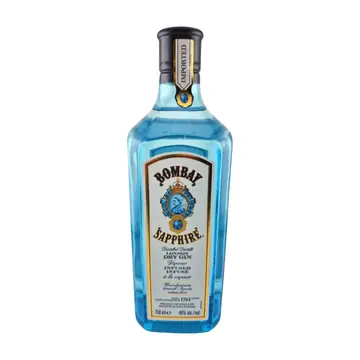
Bombay Sapphire London Dry Gin
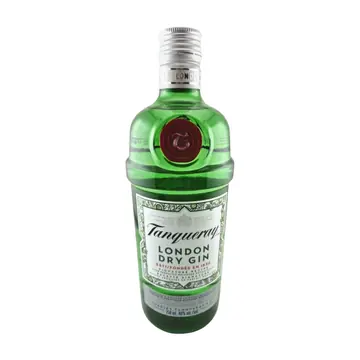
Tanqueray London Dry Gin
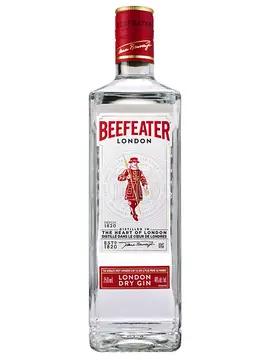
Beefeater London Dry Gin
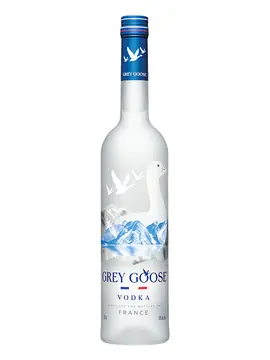
Grey Goose
Comparison: martini variations
| Variation | Base spirit | Vermouth ratio (spirit : vermouth) | Garnish |
|---|---|---|---|
| Classic | Gin or vodka | About 5 : 1 | Lemon twist or olive |
| Dry | Gin or vodka | 6 : 1 to 8 : 1, or a vermouth rinse | Lemon twist or olive |
| Wet | Gin or vodka | About 2 : 1 or 3 : 1 | Lemon twist |
| Dirty | Usually vodka or gin | About 5 : 1, plus olive brine | Olives |
| Gibson | Usually gin | About 5 : 1 | Cocktail onion |
| Fifty-fifty | Gin | 1 : 1 | Lemon twist |
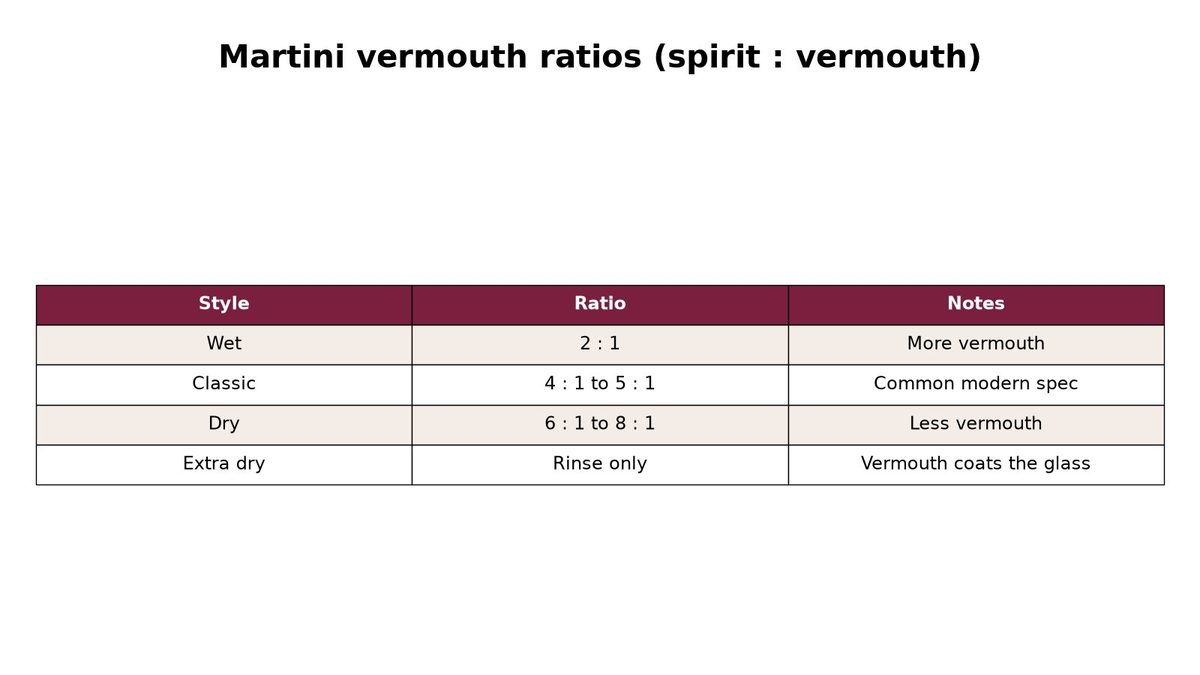
Dry vs wet: the vermouth ratio
"Dry" in a martini refers to how little vermouth is used, not to dry vermouth itself (which all of these use). An extra-dry martini may only rinse the glass with vermouth. A wet martini uses noticeably more. There is no single official ratio; the numbers above are common bar specifications.
Dry vermouth is a fortified, aromatised wine. Our port vs sherry vs vermouth post explains the category. Vermouth is not currently a dedicated listing in our catalogue; the Martini brand page shows the Martini-branded wines we do list.
Dirty, Gibson and twist
- Dirty: add 10–15 ml olive brine. More brine makes it "extra dirty".
- Gibson: garnish with one to three cocktail onions instead of an olive.
- Twist: express a strip of lemon peel over the drink to release its oils, then drop it in or rest it on the rim.
Stirred vs shaken
Stirring chills and dilutes the drink while keeping it clear and silky. Shaking chills faster, adds tiny air bubbles and ice chips, and makes the drink cloudy at first. Traditional practice is to stir spirit-only drinks, but shaking is a legitimate choice. The difference is texture and dilution.
Measured recipes
Classic gin martini
- 75 ml (2.5 oz) gin
- 15 ml (0.5 oz) dry vermouth
- 1 dash orange bitters, optional
- Lemon twist
Vodka martini
- 75 ml (2.5 oz) vodka
- 15 ml (0.5 oz) dry vermouth
- Olive or lemon twist
Dirty martini
- 60 ml (2 oz) vodka or gin
- 10 ml (0.33 oz) dry vermouth
- 15 ml (0.5 oz) olive brine
- 2–3 olives
Gibson
- 75 ml (2.5 oz) gin
- 15 ml (0.5 oz) dry vermouth
- 1–3 cocktail onions
A martini is almost all spirit. A 75 ml pour of 40% gin is close to two standard drinks, so many bars now serve smaller martinis. Consider 45–60 ml of spirit for a lighter drink.
Step by step: the stirred method
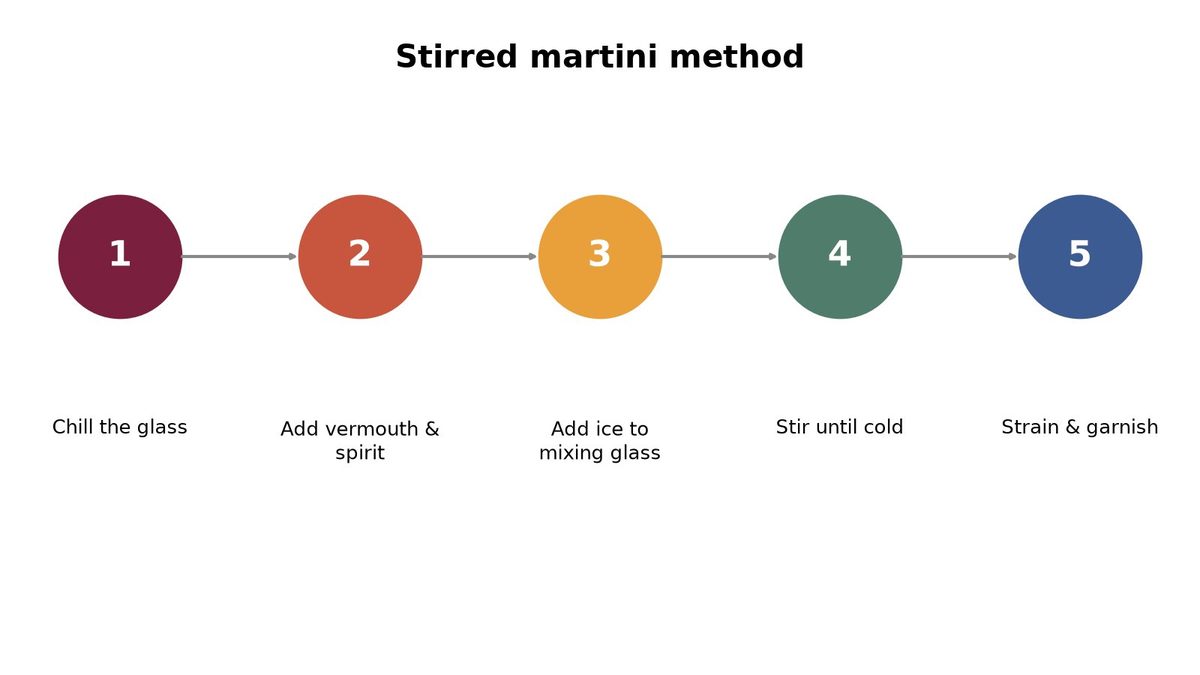
- Chill the glass in the freezer or with ice water.
- Pour vermouth, then spirit into a mixing glass. Add bitters or brine if using.
- Fill with ice to above the liquid line.
- Stir for about 30 seconds until the glass is very cold.
- Strain into the chilled glass.
- Garnish.
Vermouth storage once opened
Vermouth is wine. Once opened it slowly oxidises, so keep it sealed in the fridge and use it within a few weeks to a couple of months, following the label. Buying smaller bottles helps if you use it rarely. Our storage guide explains why spirits are more stable than wine-based products.
Non-alcoholic variant
Stir 75 ml of an alcohol-free gin alternative with 10 ml of a non-alcoholic aperitif or a few drops of saline and lemon oil, strain into a chilled glass and garnish with a twist or olive. See non-alcoholic holiday drinks.
Glassware, ice and garnish prep
The classic martini glass is a V-shaped cocktail glass; a coupe or a small Nick and Nora glass holds the drink with less risk of spilling. Whichever you use, chill it well, because a martini has no ice in the glass and warms quickly.
Use fresh, hard ice in the mixing glass. Ice that has been sitting in the freezer for weeks can pick up odours, which matter in a drink that is almost all spirit.
Prepare garnishes before you mix:
- Lemon twist: cut a wide strip of peel with a vegetable peeler, avoiding the white pith.
- Olives: pit and rinse if the brine is very strong, then skewer one to three on a pick.
- Onions: drain cocktail onions and skewer them.
Choosing between gin and vodka for your guests
There is no correct answer; it depends on what your guests prefer. If you are hosting, a practical approach is to keep one bottle of each base spirit and one bottle of dry vermouth, and let guests choose their ratio and garnish. A 750 ml bottle of spirit covers about ten 75 ml martinis, or more at smaller pours. Our bottle sizes guide compares larger formats, such as Tanqueray London Dry 1.75 L.
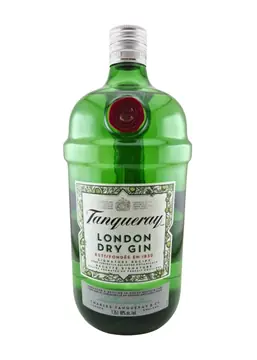
Tanqueray London Dry Gin
Troubleshooting
| Problem | Likely cause | Fix |
|---|---|---|
| Drink tastes harsh or hot | Not enough stirring or dilution | Stir for the full 30 seconds with plenty of ice |
| Drink is watery | Stirred too long or with wet, melting ice | Use fresh, hard ice and stop once the glass is very cold |
| Warms up fast | Glass not chilled, or pour too large | Chill the glass and serve smaller pours |
| Vermouth tastes flat or off | Opened bottle stored warm or too long | Keep vermouth in the fridge and replace it regularly |
| Cloudy drink | Shaken rather than stirred | Expected when shaken; stir for a clear drink |
More variations
- Reverse martini: more vermouth than spirit, often 2 : 1 vermouth to gin; lower in alcohol.
- Vesper: gin and vodka together with an aromatised wine aperitif; it is strong, so measure carefully.
- Perfect martini: equal parts dry and sweet vermouth with the spirit.
- Martini with a dash of bitters: orange bitters is a traditional addition to gin martinis.
Hosting tips
Pre-chill glasses on a tray in the freezer. For a group, you can pre-mix gin or vodka with vermouth in a bottle, add about 20% cold water for dilution and keep it in the freezer, then pour straight into chilled glasses. Serve smaller pours of 45–60 ml spirit and keep water and food out.
Frequently asked questions
What does a dry martini mean?
A martini made with less vermouth, commonly 6 : 1 or more, or just a vermouth rinse.
Is a martini made with gin or vodka?
Traditionally gin; vodka is also standard today. If you order a "martini" at a bar, many will ask which you prefer.
How long does vermouth last once opened?
Kept sealed in the fridge, a few weeks to a couple of months. Follow the label.
What is the difference between a Gibson and a martini?
The garnish: a Gibson uses a cocktail onion instead of an olive or twist.
Is an espresso martini a martini?
No. It is vodka, coffee liqueur and espresso. See our espresso martini recipe.
What is a reverse martini?
A martini with more vermouth than spirit. It is a lower-alcohol option that many guests ask for.
Can I make martinis ahead of time?
Yes. Mix spirit, vermouth and a measured amount of water in a sealed bottle, chill it in the freezer and pour into chilled glasses.
Related reading
- 10 Classic Cocktail Recipes
- Port vs Sherry vs Vermouth
- Potato vs Wheat vs Grape Vodka
- Espresso Martini Recipe
- Paloma, Whisky Sour and French 75
You must be of legal drinking age in your province. ID and adult signature required at delivery.