Potato vs Wheat vs Grape Vodka: What the Base-Ingredient Label Tells You
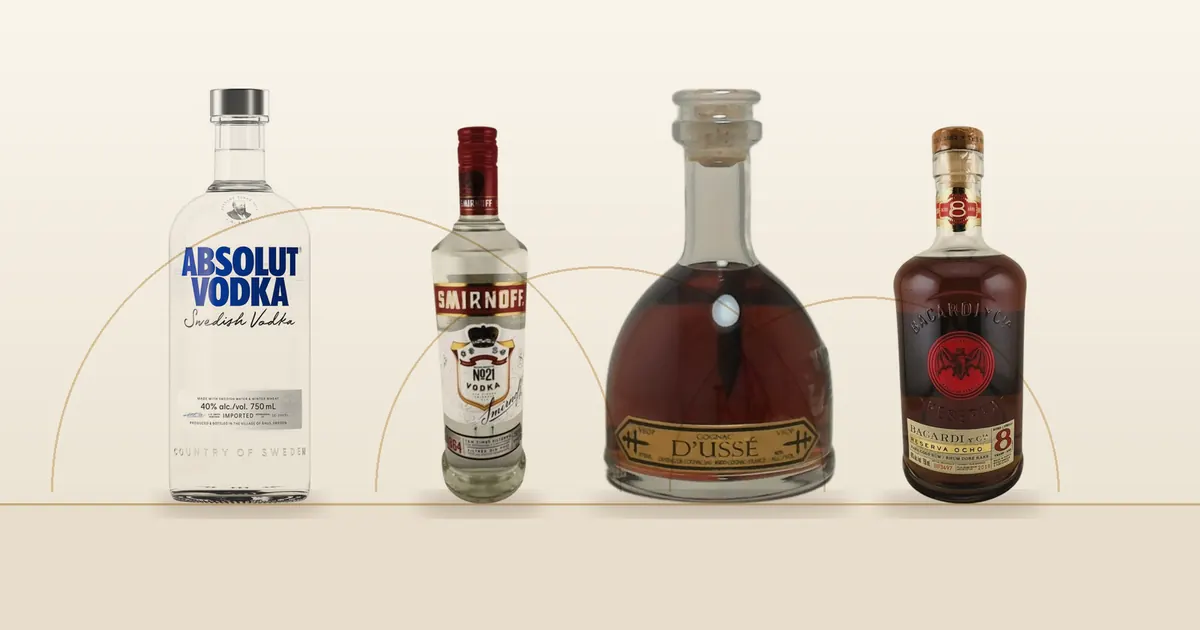
Vodka labels that name potato, wheat, grape or another base are stating the fermentable raw material used before distillation. Vodka is distilled to a high strength and typically bottled at 40% ABV, so the base-ingredient statement identifies production input, not a separate legal vodka category or grade.
At a glance
| Base ingredient as labelled | What the statement tells you | Legal category | Typical bottling strength* |
|---|---|---|---|
| Potato | Potatoes were the fermentable base | Vodka | Often 40% ABV |
| Wheat | Wheat was the fermentable base | Vodka | Often 40% ABV |
| Rye | Rye was the fermentable base | Vodka | Often 40% ABV |
| Corn / maize | Corn was the fermentable base | Vodka | Often 40% ABV |
| Grape | Grapes were the fermentable base | Vodka | Often 40% ABV |
| Not stated | The listing does not name a single base | Vodka | Check the label |
\*Use the ABV printed on the specific listing; some vodkas are bottled above or below 40%.
Browse all listings on the vodka page. Brand starting points named in the batch-02 list include Smirnoff, Grey Goose and Absolut, with example listings such as Absolut Vodka 750 ml and Smirnoff Vodka 750 ml. This post does not attribute a base ingredient to a specific product unless that statement appears on its listing, so check each product page for its own label information.
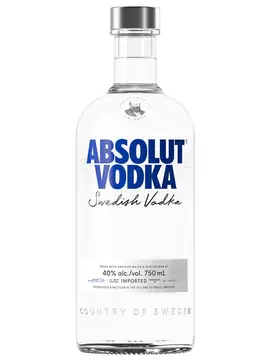
Absolut
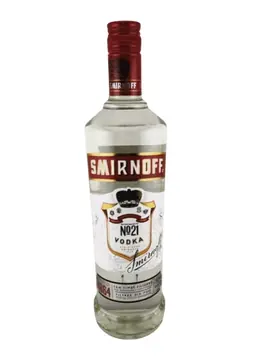
Smirnoff
What the base-ingredient statement does and does not do
It does:
- Identify the main fermentable material named by the producer.
- Help you filter listings if you need to avoid a particular ingredient for personal or dietary reasons — confirm with the producer where that matters.
It does not:
- Create a separate legal grade of vodka.
- State an age, because vodka is not defined by cask ageing in the way the categories in single malt vs blended Scotch are.
- Replace the ABV, bottle size and case format printed on the listing.
Comparing vodka cases
Vodka is a useful category for the price-per-litre calculator because it is commonly listed in several bottle sizes. Background on those formats, including 375 ml, 750 ml, 1.14 L and 1.75 L bottles, is in liquor bottle sizes. Apply how case pricing works: case total ÷ bottles ÷ litres per bottle.
Vodka is also the base of the Moscow Mule in classic cocktail recipes, which links the standard single-serve measure used across that post.
Frequently asked questions
Is potato vodka a different legal category from wheat vodka?
No. Both are vodka. The words name the fermentable base material used before distillation.
Does the base ingredient appear on every vodka label?
No. Some listings name a base and some do not. Check the specific product listing.
What strength is vodka bottled at?
Commonly 40% ABV, but the figure printed on the specific label governs.
How do I compare vodka cases in different bottle sizes?
Divide each case total by its total litres and compare price per litre.
Related reading
You must be of legal drinking age in your province. ID and adult signature required at delivery.