Espresso Martini Recipe and the Bottles Behind It
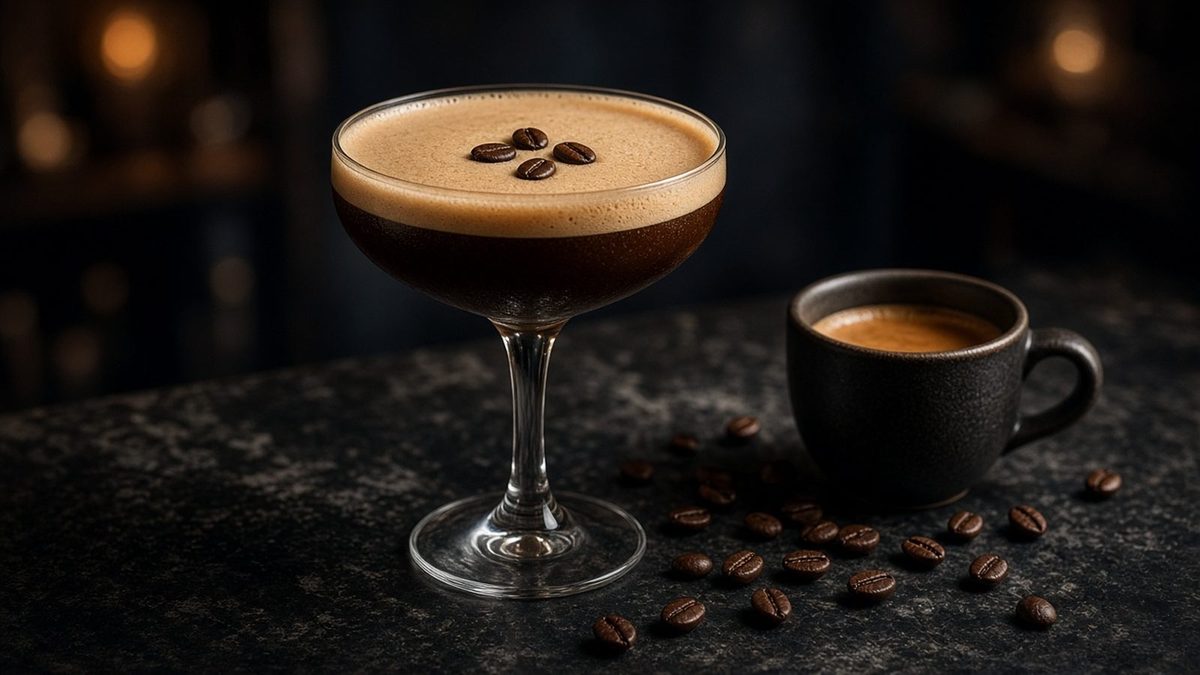
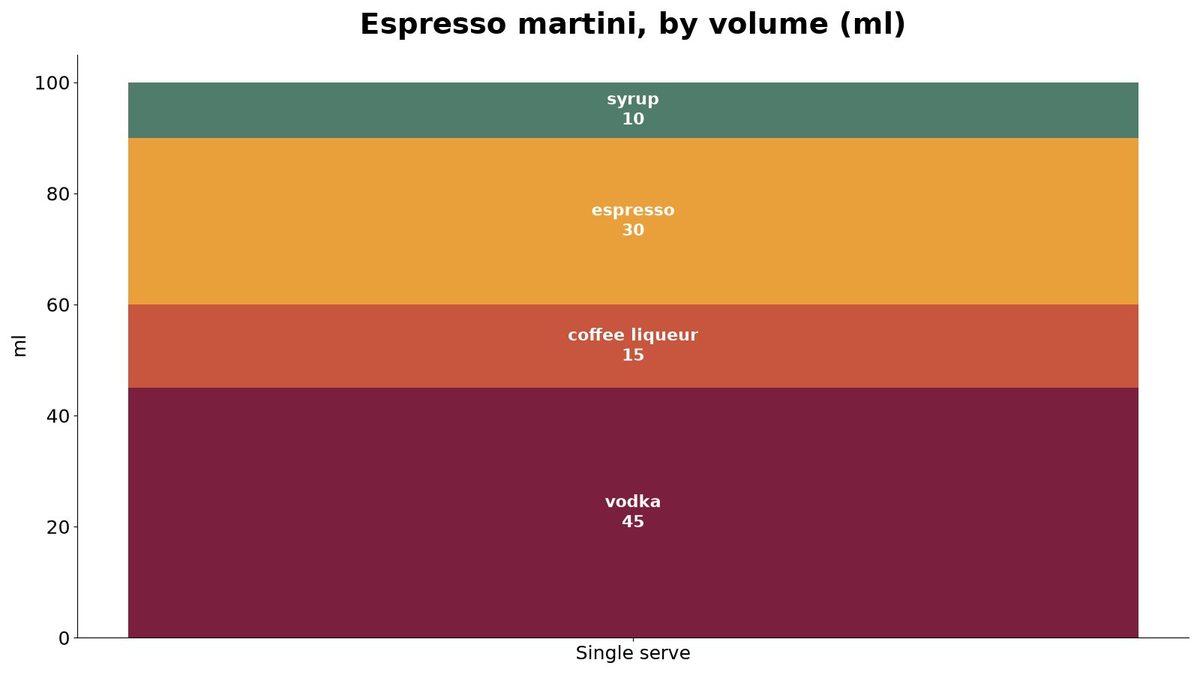
An espresso martini recipe combines 45 ml vodka, 15 ml coffee liqueur, 30 ml freshly brewed and cooled espresso and about 10 ml simple syrup, shaken hard with ice and double-strained into a chilled coupe. The hard shake creates the foam. Garnish with three coffee beans, and use decaf for a later evening.
The espresso martini is a modern classic: vodka, coffee liqueur and espresso, shaken until a thick foam forms. It is not a true martini, which is gin or vodka with vermouth, but the name stuck. This guide gives a measured recipe, explains the bottles behind it, compares espresso with cold brew concentrate and shows how to prepare it for a group.
What goes in an espresso martini
Four components:
- Vodka for the base spirit.
- Coffee liqueur for coffee flavour and sweetness.
- Espresso, fresh and cooled, for coffee intensity and the foam.
- Simple syrup, optional, to balance the bitterness.
Comparison: ingredients and their roles
| Ingredient | Amount (one drink) | ABV (check label) | Role in the drink |
|---|---|---|---|
| Vodka | 45 ml (1.5 oz) | Printed on the bottle; standard vodka is commonly 40% | Base spirit and structure |
| Coffee liqueur | 15 ml (0.5 oz) | Printed on the bottle; coffee liqueurs commonly sit around 20–30% | Coffee flavour, sweetness |
| Espresso | 30 ml (1 oz) | 0% | Coffee, bitterness, foam |
| Simple syrup | 5–10 ml (0.25 oz) | 0% | Balance; adjust to taste |
| Coffee beans | 3 | — | Garnish |
Measured recipe
Ingredients (one drink)
- 45 ml (1.5 oz) vodka
- 15 ml (0.5 oz) coffee liqueur
- 30 ml (1 oz) freshly brewed espresso, cooled
- 5–10 ml (0.25 oz) simple syrup, to taste
- Ice
- 3 coffee beans
Step by step
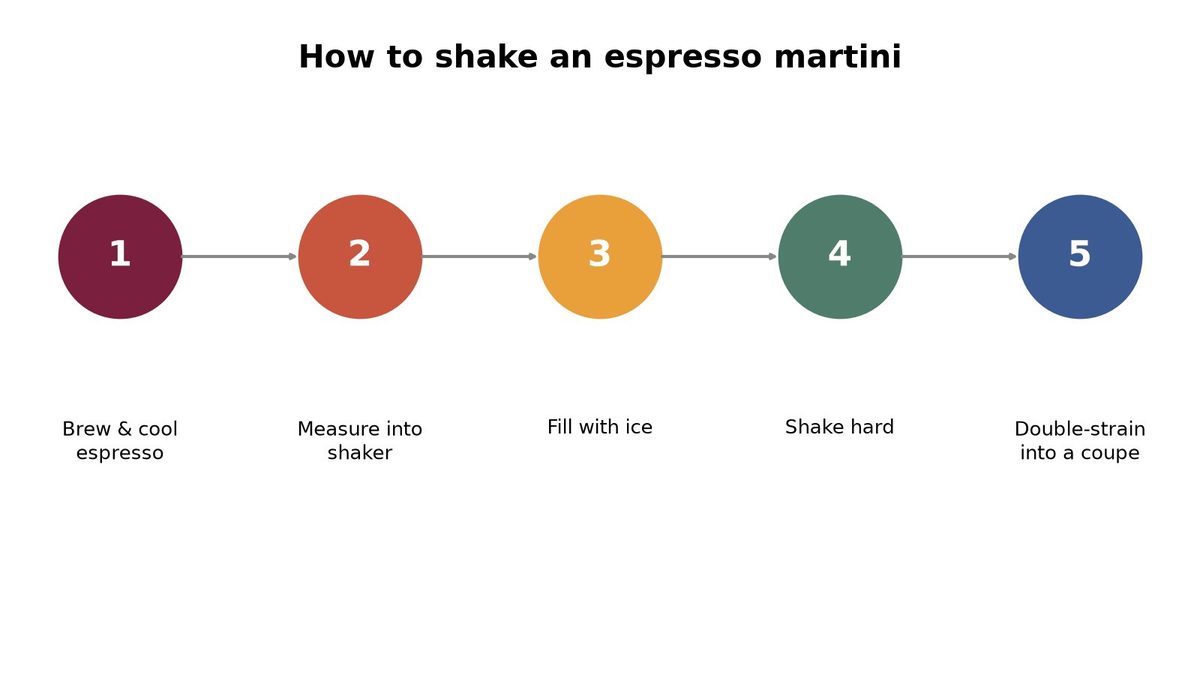
- Chill the glass. Put a coupe or martini glass in the freezer, or fill it with ice water while you work.
- Brew the espresso and let it cool for a few minutes. Very hot coffee melts the ice too fast and dilutes the drink.
- Measure vodka, coffee liqueur, espresso and syrup into a cocktail shaker.
- Fill the shaker with ice to about two-thirds.
- Shake hard for 15–20 seconds. The vigorous shake aerates the coffee oils and creates the foam.
- Double-strain through a hawthorne strainer and a fine sieve into the chilled glass.
- Garnish with three coffee beans on the foam.
A typical measure of 45 ml of 40% vodka plus 15 ml of coffee liqueur is more than one standard drink. Our low-alcohol guide explains standard-drink maths.
Vodka: label terms that matter
For this drink, two label facts matter:
- ABV. Most standard vodkas are labelled at or around 40%. Flavoured vodkas are often lower and are a different product.
- Base ingredient. Vodka can be distilled from grain, potatoes, grapes or other materials. Our potato vs wheat vs grape vodka post explains what the label tells you.
Unflavoured vodkas in our vodka category include Absolut Vodka from Absolut, Smirnoff Vodka from Smirnoff and Grey Goose Vodka from Grey Goose. Larger formats such as Smirnoff 1.75 L suit batching for a group. We make no claim about how any of these suits the drink; the recipe works with any unflavoured vodka.
Absolut
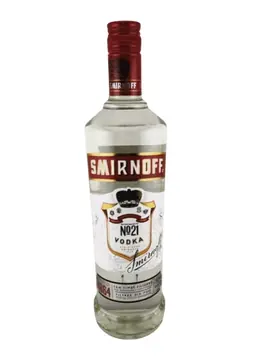
Smirnoff
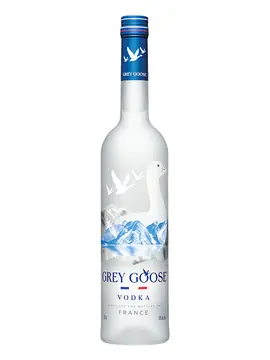
Grey Goose
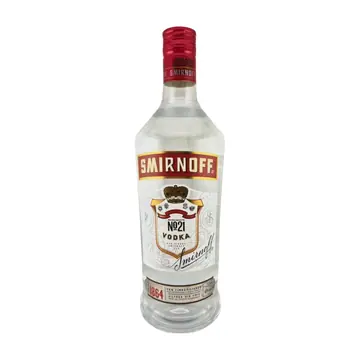
Smirnoff
Coffee liqueur explained
Coffee liqueur is a spirit, often rum, vodka or neutral spirit, sweetened and flavoured with coffee. ABV varies by brand. Some are sweeter and syrupy; some are drier and more coffee-forward. If yours is sweeter, reduce or skip the simple syrup.
Our catalogue currently lists Galliano Espresso Liqueur 375 ml in the liqueur category. We also list Old Monk Extra Ordinary Coffee Rum, a coffee-flavoured rum; check its label for ABV and style before using it in place of a liqueur, since it is a different product type.
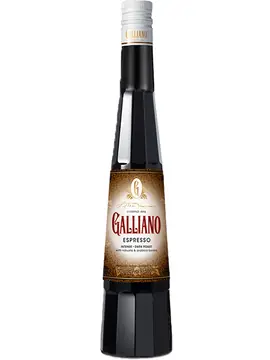
Galliano Espresso
Espresso vs cold brew concentrate
| Option | Strength | Foam | Notes |
|---|---|---|---|
| Fresh espresso | Concentrated | Best foam, from fresh crema and oils | Brew and cool briefly |
| Moka pot coffee | Strong | Good foam | Practical without an espresso machine |
| Cold brew concentrate | Concentrated, less bitter | Less foam | Read dilution instructions; use undiluted concentrate |
| Instant espresso powder | Varies | Moderate foam | Dissolve in a small amount of hot water and cool |
| Regular drip coffee | Weak | Little foam | Gives a thinner drink |
Batching for a group
Espresso martinis are shaken to order, but you can prepare the mix ahead.
- Multiply the recipe. For eight drinks: 360 ml vodka, 120 ml coffee liqueur, 240 ml espresso, 40–80 ml syrup.
- Brew and cool the espresso within an hour or two of serving for the best foam.
- Combine everything except ice in a bottle or jug and refrigerate.
- Shake two drinks at a time with fresh ice when guests are ready.
- Serve food and water alongside.
The batching principles are the same as in holiday batch cocktails. For other shaken classics, see 10 classic cocktail recipes.
Decaf and non-alcoholic variant
Decaf espresso martini: use decaf espresso in the standard recipe. It still contains alcohol.
Non-alcoholic espresso "martini":
- 60 ml (2 oz) espresso or decaf espresso, cooled
- 30 ml (1 oz) coffee syrup or simple syrup
- 30 ml (1 oz) alcohol-free spirit alternative, or extra espresso
- Ice and coffee beans
Shake hard with ice and double-strain into a chilled coupe. See non-alcoholic holiday drinks for more alcohol-free ideas.
Equipment and common mistakes
You need a cocktail shaker, a jigger for measuring, a hawthorne strainer and a fine sieve for double-straining. A two-piece shaker tin seals well and gives room for a hard shake; a three-piece cobbler shaker works too.
Common mistakes and fixes:
- Hot espresso straight into the shaker. It melts the ice and thins the drink. Let it cool for a few minutes first.
- Too little ice. Fill the shaker about two-thirds full so the drink chills quickly with controlled dilution.
- Free-pouring. Measuring keeps both balance and strength consistent from drink to drink.
- Skipping the fine strain. Ice shards break up the foam layer.
Troubleshooting
| Problem | Likely cause | Fix |
|---|---|---|
| Thin or no foam | Stale or weak coffee, short shake | Use freshly brewed espresso and shake hard for 15–20 seconds |
| Watery drink | Hot espresso melted the ice | Let the espresso cool for a few minutes first |
| Ice shards on top | Single straining only | Double-strain through a fine sieve |
| Too bitter | Very dark roast or no syrup | Add 5 ml simple syrup and taste the balance |
| Too sweet | Sweet liqueur plus syrup | Skip the syrup or reduce the liqueur to 10 ml |
Variations
- Vanilla: swap the simple syrup for vanilla syrup.
- Salted caramel: use caramel syrup and add a tiny pinch of salt to the shaker.
- Smaller serve: use 30 ml vodka and 10 ml liqueur for a lighter drink in a small coupe.
- Rum base: replace the vodka with an aged rum; see types of rum for the label terms.
Hosting tips
Brew the espresso in one batch about an hour before guests arrive and keep it in a sealed jug in the fridge. Set out the shaker, jigger, strainers and chilled glasses in one spot so each drink takes under a minute. Offer the decaf or non-alcoholic version alongside, and keep water on the table.
Frequently asked questions
What is in an espresso martini?
Vodka, coffee liqueur, fresh espresso and usually a little simple syrup, shaken hard with ice and strained into a chilled glass.
Can you make an espresso martini with decaf?
Yes. Decaf espresso works the same way and still foams when shaken. The drink still contains alcohol unless you use the non-alcoholic version.
What is coffee liqueur?
A spirit sweetened and flavoured with coffee. ABV and sweetness vary by brand, so check the label.
Why doesn't my espresso martini foam?
Usually the coffee was not fresh, was too weak or the shake was too short. Shake hard for 15–20 seconds with plenty of ice.
Is an espresso martini a real martini?
No. A classic martini is gin or vodka with vermouth. See gin vs vodka martini.
How long can I keep the pre-mixed batch?
Keep it sealed in the fridge and use it the same day. Fresh coffee gives the best foam, so brew close to serving.
Do I need an espresso machine?
No. A moka pot, a strong pour-over or cold brew concentrate works, though foam may be lighter.
Related reading
- 10 Classic Cocktail Recipes
- Potato vs Wheat vs Grape Vodka
- Gin Martini vs Vodka Martini
- Holiday Batch Cocktails
- Paloma, Whisky Sour and French 75
You must be of legal drinking age in your province. ID and adult signature required at delivery.