What Is Amaro? Bitter Herbal Liqueurs, Fernet and How They're Served
Amaro, from the word for "bitter", is a family of herbal liqueurs made by infusing a spirit or wine base with roots, herbs, bark and citrus peel, then sweetening it. Fernet is one strongly bitter subgroup. Amari are traditionally served after a meal, neat or over ice. Strength ranges widely, roughly 16–45% ABV, so check the label.
Interest in amaro has stayed steady through the autumn in Google Trends. The timing fits the season: long holiday dinners are when many hosts bring out a bottle of something bitter and herbal to finish the meal. This guide explains what amaro is, how it is made, how it differs from fernet and from bright red aperitivo bitters, and how to serve it with a measured pour. It sticks to category facts and makes no claims about how any bottle tastes.
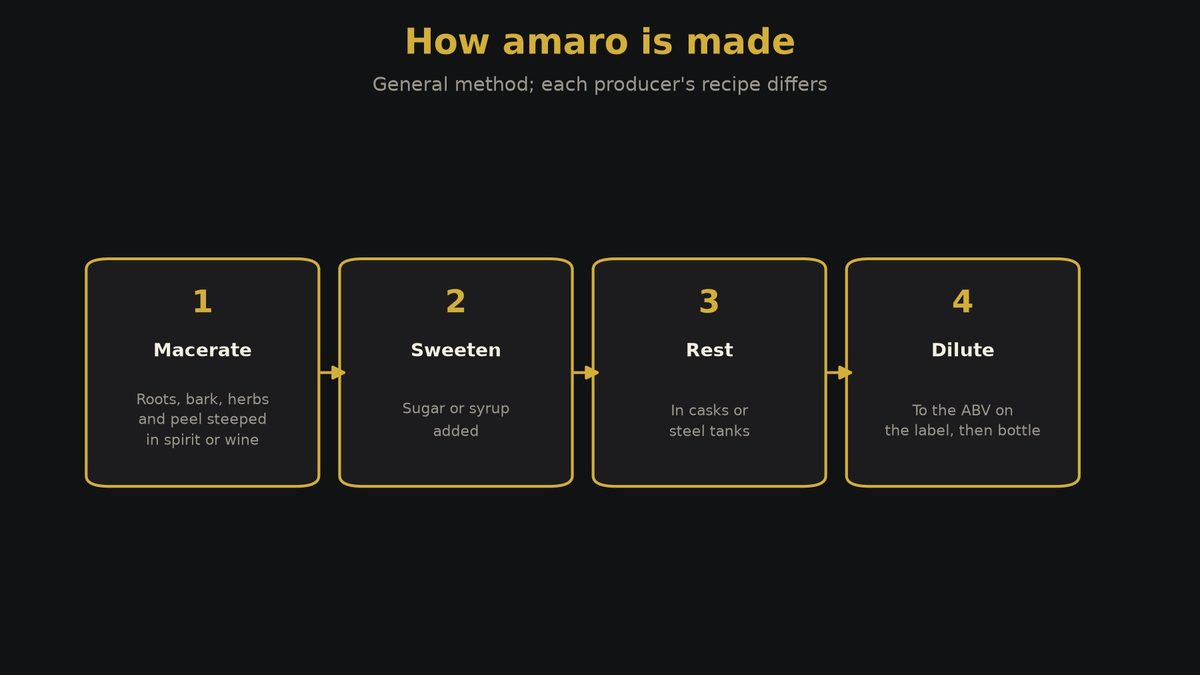
How amaro is made
Recipes are usually kept secret, but the general method is the same across the category.
- Choose a base. Most amari use a neutral grain or grape spirit. A few use wine as the base, which gives a lower ABV.
- Macerate the botanicals. Roots (such as gentian or rhubarb root), bark (such as cinchona, the bark quinine comes from), herbs, flowers, seeds and citrus peel are steeped in the base for days or weeks. Some producers also distil part of the infusion.
- Sweeten. Sugar or a sugar syrup is added. This is what makes amaro a liqueur rather than a bitter tincture. Some amari also add caramel for colour.
- Rest. The blend is rested, sometimes in wooden casks and sometimes in steel tanks, to let it settle before filtering.
- Dilute and bottle. Water brings it to the bottling strength printed on the label.
Because the botanicals vary so much, two bottles both labelled "amaro" can be very different in strength, sweetness and colour. The label and the producer's description are the only reliable guide.
Comparison table: amaro, fernet, aperitivo bitters and other herbal liqueurs
| Type | Base | Typical ABV band (check label) | Usual serve | Catalogue example |
|---|---|---|---|---|
| Amaro (general) | Neutral spirit, sometimes wine | 16–35% | After dinner, neat or on ice | Lazzaroni Amaro |
| Fernet | Neutral spirit with a high share of bitter herbs | 35–45% | Small neat pour, or with cola or ginger soda | Casoni Fernet, Holzer Fernet |
| Bitter aperitivo liqueur | Neutral spirit, bright red colour | 20–28% | Before dinner, with soda or in a spritz | Campari |
| Herbal liqueur (spirit base) | Neutral spirit with herbs and spices | about 35% | Very cold as a shot, or long with a mixer | Jägermeister |
| Herbal liqueur (brandy-style base) | Spirit with herbs, honey-sweetened | about 40% | Neat after dinner, or in classic cocktails | Bénédictine |
The ABV bands are typical ranges, not the strength of any named bottle. Read the label of the bottle you are pouring.
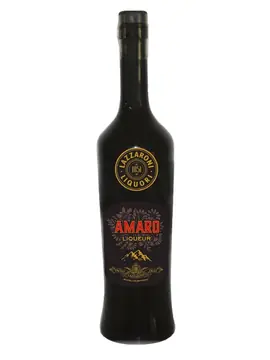
Paolo Lazzaroni & Figli - Amaro
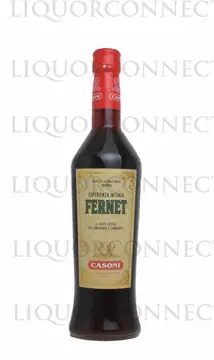
Casoni Fernet
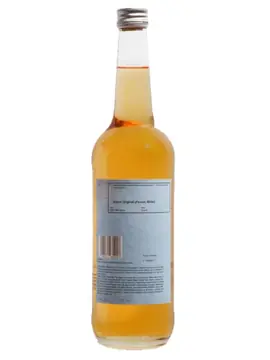
Holzer Original Fernet Bitter
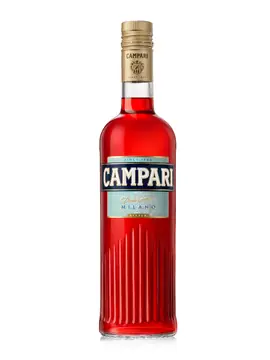
Campari (Campari Milano)
Aperitivo vs digestivo: when each is served
Herbal bitter liqueurs fall into two loose groups by when they are served.
Aperitivo (before the meal). Lighter, brighter liqueurs, often red, usually served long: with soda water, tonic or sparkling wine over ice. Campari belongs here. Our Hugo, Aperol and Campari spritz recipes cover those drinks in detail, so they are not repeated in this guide.
Digestivo (after the meal). Darker, more bitter amari and fernets, usually served in a small glass, neat or with a single ice cube. This is the role most people mean when they talk about amaro: something poured once the plates are cleared, often with coffee.
The line between the two is not a legal one, and many bottles work in either role. Check the producer's suggested serve on the label.
Is fernet an amaro?
Yes. Fernet is a style within the amaro family, usually stronger and more bitter than a general amaro, with less sugar. It is often bottled between 35% and 45% ABV. Fernet is commonly served as a small neat pour after dinner, and in some places it is mixed with cola or ginger soda. Because many fernets are spirit strength, measure them like a spirit, not like a low-ABV liqueur.
Steps: serving amaro neat, on the rocks or long
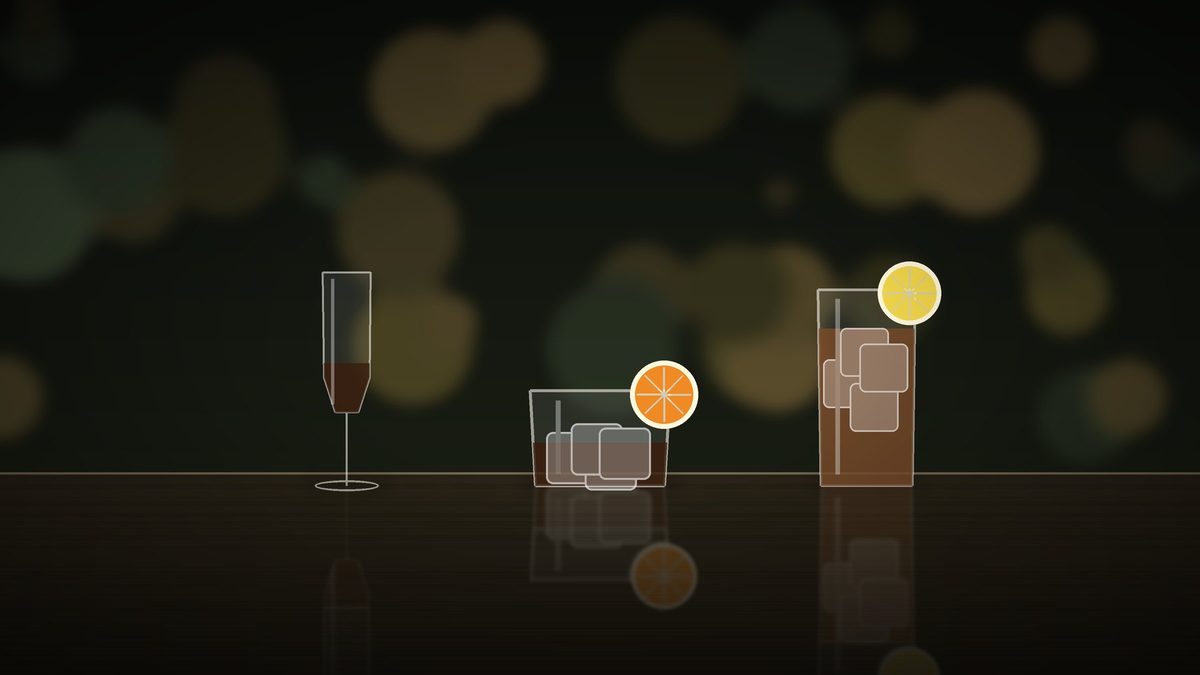
- Choose a serve. Neat in a small glass, on the rocks in a tumbler, or long in a highball with soda water.
- Measure the pour. Use 30–45 ml for a neat or rocks serve. For a highball, 45 ml of amaro to 90–120 ml of soda water is common.
- Add ice or a mixer if serving long. One large cube in a tumbler, or a glass filled with ice for a highball.
- Add a citrus peel if you like. A strip of orange or lemon peel, twisted over the glass, is the usual garnish.
- Reseal and store upright. Put the cap back on straight away and keep the bottle away from heat and sunlight.
Standard-drink maths for amaro
One standard drink is 17.05 ml of pure alcohol (13.45 g). Use: pour (ml) × ABV ÷ 17.05.
- 30 ml of a 25% amaro: 7.5 ml of alcohol, about 0.4 standard drink.
- 45 ml of a 30% amaro: 13.5 ml, about 0.8 standard drink.
- 30 ml of a 40% fernet: 12 ml, about 0.7 standard drink.
After a holiday meal with wine, these small pours still add up. Offer coffee or water alongside.
Amaro in cocktails
Amaro also appears in mixed drinks, usually in small amounts. Common uses include:
- As a modifier in stirred drinks, replacing some or all of the vermouth.
- As a bitter layer in sours, with lemon juice and a base spirit.
- In a highball, with soda water or ginger soda and a citrus peel, for a lower-alcohol long drink.
Bénédictine, for example, is a classic modifier, and it is also sold pre-blended with brandy as B&B. The Sidecar recipe shows how a brandy-based sour is built if you want to try a small amaro float on top. For an orange-led alternative after dinner, see triple sec vs Cointreau vs Grand Marnier.
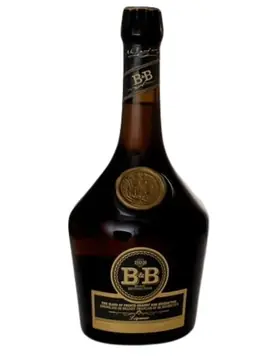
B&B (Benedictine & Brandy)
How long does an opened bottle last?
Amaro is sweetened and usually above 20% ABV, so it keeps well once opened. Most producers suggest drinking an opened bottle within a year or so for the best condition, though it will not spoil quickly if sealed. Store it upright with the cap tight, out of sunlight and away from the stove. Lower-ABV, wine-based amari can change faster; refrigerate them if the label says so. Our storage guide has more detail.
Common mistakes
- Pouring it like wine. Amaro is a liqueur, often 25–40% ABV. Keep pours to 30–45 ml.
- Treating every bottle the same. A fernet near 40% and a wine-based amaro near 16% need different measures to give the same amount of alcohol.
- Storing it next to the stove. Heat and light change any liqueur over time.
- Confusing amaro with cocktail bitters. Bitters are used by the dash, not the glass.
Finding amaro in our catalogue
Amari, fernets and herbal liqueurs are listed in our liqueur category. The Jägermeister brand page shows every format of that herbal liqueur. For gifting around the holidays, the holiday party gift edit groups bottles chosen for the season.
Frequently asked questions
What does amaro mean?
Amaro means "bitter". It is the name for a family of sweetened herbal liqueurs; the plural is amari.
Is fernet an amaro?
Yes. Fernet is a style of amaro that is usually more bitter, less sweet and higher in alcohol, often 35–45% ABV.
Is Campari an amaro?
It belongs to the same broad family of bitter herbal liqueurs, but it is usually classed as an aperitivo bitter and served before a meal, often with soda or in a spritz, rather than as an after-dinner amaro.
How do you drink amaro?
Traditionally neat or with one ice cube, in a 30–45 ml pour after dinner. It can also be served long with soda water over ice.
How long does an opened bottle of amaro last?
Sealed and stored upright out of the light, an opened bottle keeps well for many months. Check the label for any storage advice, especially for wine-based amari.
Is amaro the same as bitters?
No. Cocktail bitters are highly concentrated and used by the dash. Amaro is a sweetened liqueur that is drunk by the glass.
Related reading
You must be of legal drinking age in your province. ID and adult signature required at delivery.