Triple Sec vs Cointreau vs Grand Marnier: Orange Liqueur Labels
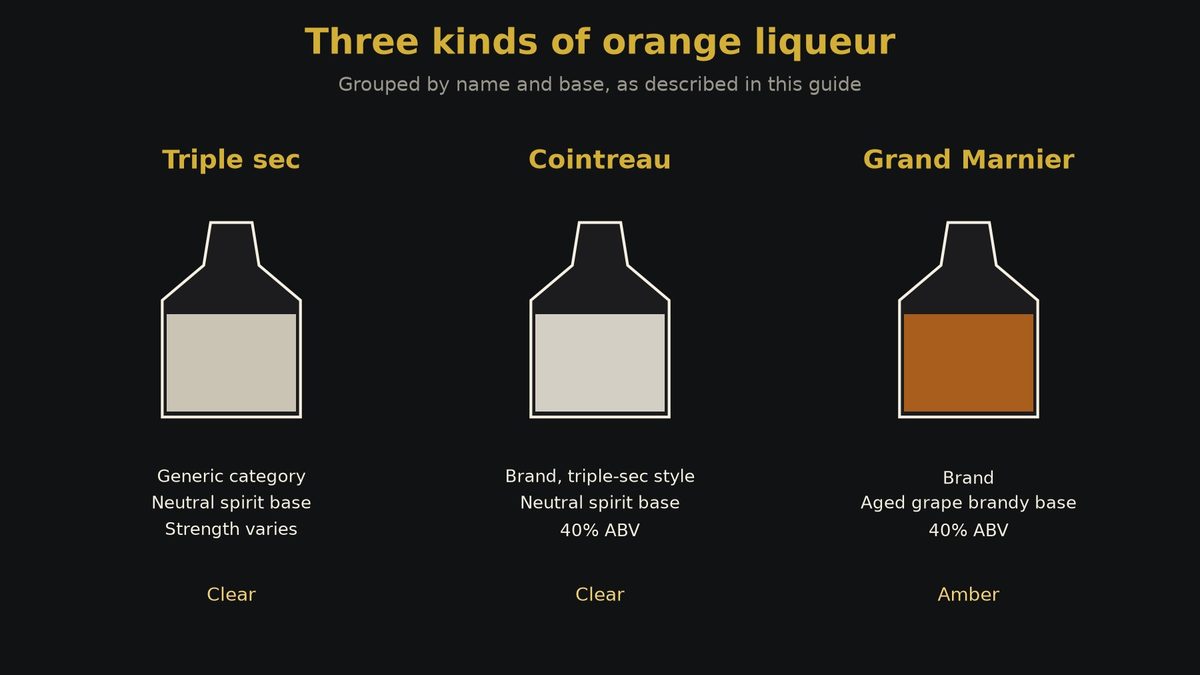
Triple sec is a generic name for a clear orange liqueur, made by many producers at different strengths. Cointreau is one brand of clear, triple-sec-style orange liqueur, bottled at 40 percent ABV. Grand Marnier is a brand of orange liqueur made with an aged grape brandy base, also at 40 percent ABV in its standard bottling. They are related, but not interchangeable on a label.
All three names have seen a clear rise in searches this autumn, triple sec most of all, which matches the start of holiday cocktail season. Margaritas, sidecars and cosmopolitans all call for orange liqueur, and recipes do not always agree on which one. This guide explains what each name means on a bottle, how they differ in base and strength, and how to pick the one a recipe actually asks for. It covers labels and measures only, not flavour.
What "triple sec" means as a category word
Triple sec is a style name, not a brand. It describes a clear liqueur flavoured with orange peel, usually a mix of sweet and bitter orange, sweetened and bottled at a strength set by each producer. No single rule fixes the base spirit or the ABV, so two bottles both labelled triple sec can be quite different products.
What a triple sec label usually tells you:
- The style: an orange liqueur.
- The producer's name.
- The ABV. Triple secs are bottled across a wide range of strengths, from well under 30 percent up to around 40 percent. The label is the only reliable guide.
- The bottle size.
Because the term is generic, the producer's name matters. In our list, Bols Triple Sec is the bottle that carries the category name itself.
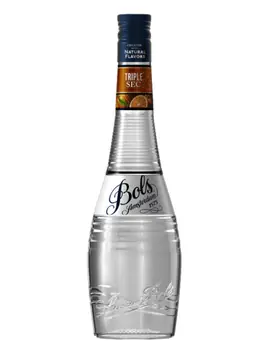
Bols Triple Sec Liqueur
Cointreau: a branded triple-sec-style liqueur
Cointreau is a brand. The liqueur is clear, made from sweet and bitter orange peel and a neutral spirit, and bottled at 40 percent ABV. It belongs to the triple sec family, but the bottle uses the brand name rather than the category word.
Because recipes often name Cointreau specifically, it helps to know its formats in our list:
The same producer also makes Cointreau Noir, which the producer describes as orange liqueur blended with an aged grape brandy. It is a different product from standard Cointreau, so check which one a recipe names.
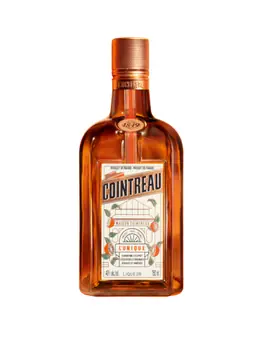
Cointreau (Cointreau S A)
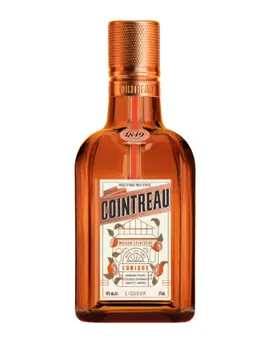
Cointreau (Cointreau S A)
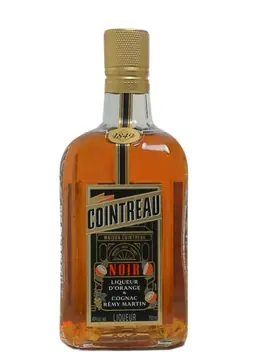
Cointreau Noir
Grand Marnier: orange liqueur on a brandy base
Grand Marnier's standard bottling, often called Cordon Rouge, blends orange liqueur with an aged grape brandy. That brandy base is the main difference from Cointreau and from most triple secs, which use a neutral spirit. It is amber rather than clear, and it is bottled at 40 percent ABV.
Grand Marnier is not itself a brandy. It is a liqueur that contains brandy. Formats in our list at the time of writing:
The producer also sells special editions with different names. Those are separate products with their own labels.
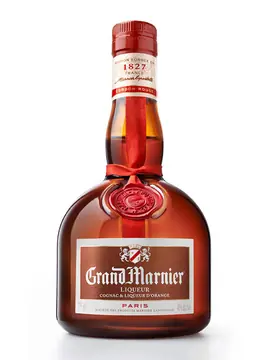
Grand Marnier
Grand Marnier
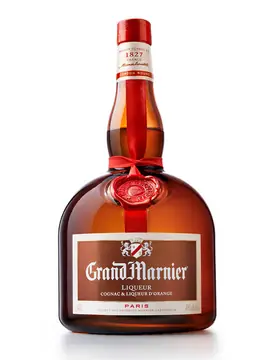
Grand Marnier
Comparison: three orange liqueurs on the label
| Product or term | Generic or brand | Base | Typical ABV (check label) | Colour | In-stock sizes |
|---|---|---|---|---|---|
| Triple sec | Generic category, many producers | Usually neutral spirit | Varies widely, up to about 40% | Clear | Bols Triple Sec 750 ml |
| Cointreau | Brand, triple-sec style | Neutral spirit | 40% | Clear | 375 ml, 750 ml |
| Grand Marnier | Brand | Aged grape brandy | 40% | Amber | 375 ml, 750 ml, 1.14 L |
| Cointreau Noir | Brand edition | Orange liqueur blended with aged grape brandy | Check label | Amber | 700 ml |
Steps: how to choose among the three
- Read the recipe. Does it say triple sec, Cointreau, Grand Marnier or just "orange liqueur"? If it names a brand, the writer probably measured with that bottle.
- Read the bottle's name and base. Clear and neutral-spirit based (triple sec, Cointreau) or amber and brandy based (Grand Marnier).
- Match the volume. Most recipes use 15 to 30 ml of orange liqueur per drink. Use a jigger so the measure stays the same from drink to drink.
- Check the ABV. If your triple sec is weaker than 40 percent, the drink will contain less alcohol than the recipe writer intended. That is fine; just know it.
- Open the live product page for the bottle you plan to buy, and confirm the size and case count.
If you substitute, say so. Writing "made with triple sec" or "made with Grand Marnier" on a menu card tells guests exactly what is in the glass.
Where recipes use them
Orange liqueur appears in several of the most-requested holiday drinks:
- Margarita. Our classic cocktail recipes give the measured margarita. Any of the three can be used; recipes differ on which they name. Our tequila category has the base spirit.
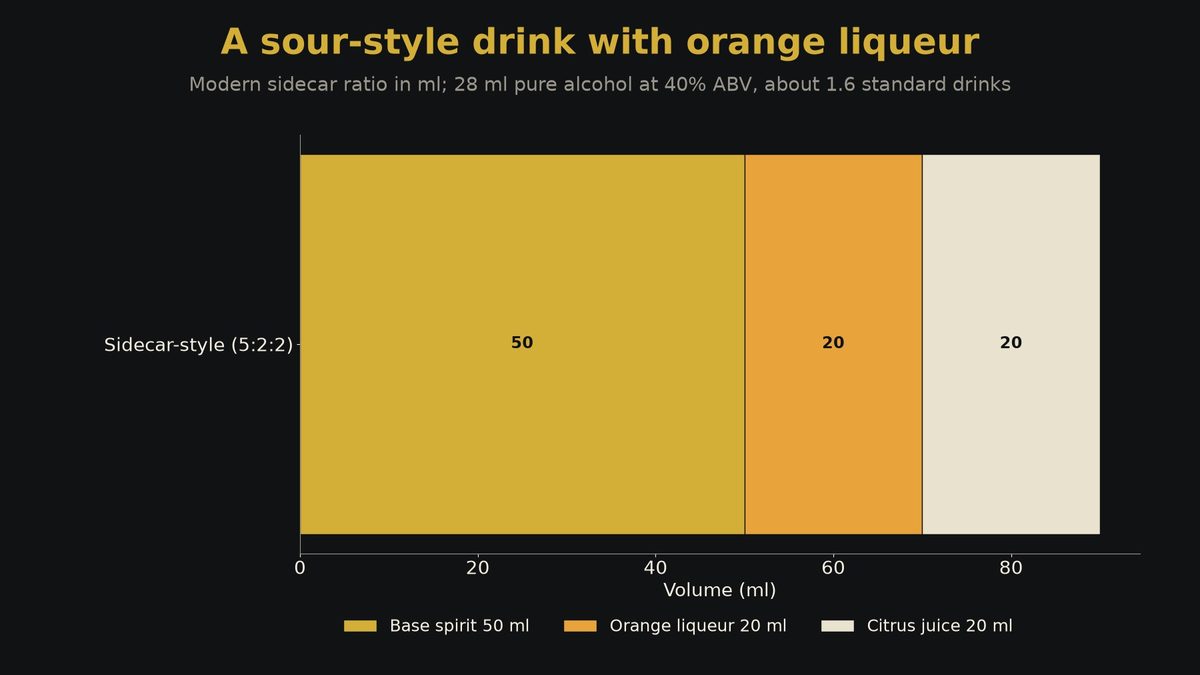
- Sidecar. The sidecar recipe uses brandy, orange liqueur and lemon. A common modern ratio is 50 ml brandy, 20 ml orange liqueur and 20 ml lemon juice, shaken with ice. See the brandy category for the base.
- Cosmopolitan and cranberry drinks. Our Christmas cocktails post includes a measured cosmopolitan.
For a non-alcoholic version of any of these sour-style drinks, replace the spirit and liqueur with chilled black tea and a spoon of orange marmalade or orange syrup, shake with the citrus and ice, and serve in the same glass.
Alcohol per drink
A drink with 50 ml of a 40 percent brandy and 20 ml of a 40 percent orange liqueur contains 28 ml of pure alcohol, about 1.6 standard drinks of 17.05 ml. Using a triple sec at a lower strength reduces that a little. Measure rather than free-pour, and offer an alcohol-free option alongside; our non-alcoholic holiday drinks post has ideas.
Common label mix-ups
A few points cause most of the confusion at the shelf or on a product page:
- "Orange liqueur" on a recipe is not a brand. It means any of the three. Use what you have, in the stated measure.
- Colour is a clue, not a rule. Clear usually means a neutral-spirit base and amber usually means a brandy base, but the label's description is what counts.
- Special editions are separate products. An anniversary or aged edition of a brand has its own name, strength and size. Do not assume it matches the standard bottling a recipe was written for.
- Size is part of the name. A 375 ml and a 750 ml listing of the same liqueur are separate product pages with separate case counts.
Storing an opened bottle
Orange liqueurs at 40 percent ABV keep well once opened if the cap goes back on tightly and the bottle stands upright, away from heat and direct light. Lower-strength triple secs follow the same advice; if the producer prints a "best within" note on the label, follow it.
Buying for the holidays
Orange liqueurs are sold by the case like everything else on the site. The 375 ml formats suit a host who uses orange liqueur in only one or two recipes; the 750 ml and 1.14 L formats suit a party bar. The liqueur category lists every orange liqueur we carry, the brand pages for Cointreau, Grand Marnier and Bols group the formats, and the holiday party gift edit collects bottles that suit hosting.
Frequently asked questions
Is Cointreau a triple sec?
It is a triple-sec-style orange liqueur sold under a brand name. The bottle says Cointreau rather than triple sec, but it belongs to the same family of clear orange liqueurs.
What is the difference between Cointreau and Grand Marnier?
The base. Cointreau is a clear orange liqueur made with neutral spirit. Grand Marnier is an amber orange liqueur blended with aged grape brandy. Both standard bottlings are 40 percent ABV.
Can you substitute triple sec for Cointreau?
Yes, in the same measure, as long as you are comfortable with a different product. Check the triple sec's ABV, because some are weaker than 40 percent, and note the substitution if you are serving guests.
Is Grand Marnier a brandy?
No. It is a liqueur that contains aged grape brandy as its base. A brandy is the distilled spirit on its own, without the added orange and sugar.
What size bottles do these liqueurs come in?
In our list at the time of writing: Bols Triple Sec in 750 ml, Cointreau in 375 ml and 750 ml, and Grand Marnier in 375 ml, 750 ml and 1.14 L. Check each product page for the case count.
Related reading
You must be of legal drinking age in your province. ID and adult signature required at delivery.