Mulled Wine Recipe: Spice Ratios, Gentle Heat and How Much Alcohol Stays In
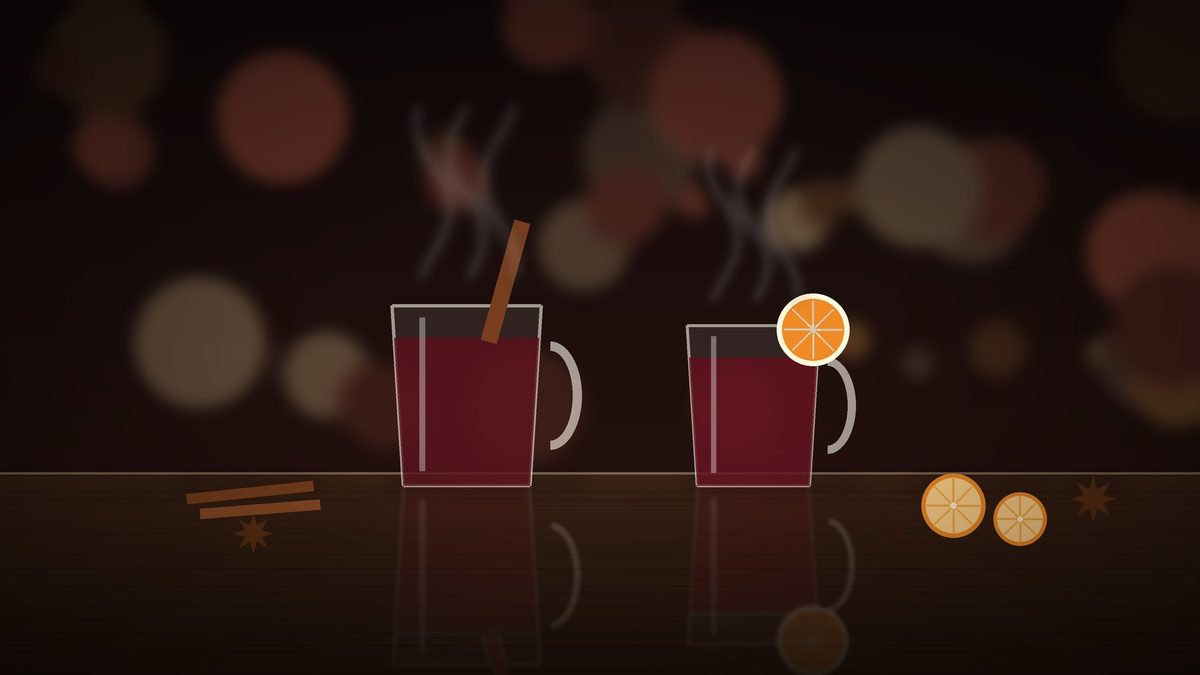
To make mulled wine, warm one 750 ml bottle of dry red wine with 250 ml of water or orange juice, one sliced orange, two cinnamon sticks, four to six cloves, two star anise and 40 to 60 g of sugar or honey. Keep it on low heat for 20 to 30 minutes, steaming but never boiling, then strain and serve in mugs.
Mulled wine is the clearest seasonal climber in this morning's Google Trends pull. In a five-term comparison group, searches for "mulled wine" sat at zero through late summer and September and have climbed steadily through November, reaching a level higher than shot glasses and cranberry vodka drinks in the same comparison. That pattern repeats every year as the weather turns colder and holiday parties start. Our holiday batch cocktails guide already has a short mulled wine recipe alongside eggnog, sangria and punch. This post goes further: a spice ratio you can scale, the temperature to aim for and why, a slow-cooker method, how much alcohol is in each mug, and how to hold a pot safely through a long evening. It covers method and measurements only, with no claims about flavour.
Comparison table: mulled wine and other warm holiday drinks
| Drink | Base | Alcohol per serving (typical build) | Heat method | Batch-friendly? | Full recipe |
|---|---|---|---|---|---|
| Mulled wine | Red wine, water or juice, spices, sugar | About 0.9 to 1.0 standard drinks per 150 ml mug (calculated below) | Low heat, held below a simmer | Yes, by the pot | This post |
| Hot toddy | Whisky, hot water, honey, lemon | About 1 standard drink | Kettle water poured over | One at a time | Hot toddy recipe |
| Spiked hot chocolate | Hot chocolate plus a spirit or liqueur | Depends on the measure | Warm milk, spirit added off the heat | Yes | Spiked hot chocolate |
| Hot buttered rum | Rum, spiced butter batter, hot water | About 1 standard drink | Kettle water poured over | Yes, with a slow cooker | Hot buttered rum recipe |
Mulled wine is the only one of the four where the alcohol itself goes into the pot and stays warm for a long time. That is why the heat matters more here than in the others.
Ingredients: the one-bottle spice ratio
Makes about 1 litre, or six mugs of about 150 ml
- 1 bottle (750 ml) dry red wine
- 250 ml water, or 125 ml water and 125 ml unsweetened orange juice
- 1 orange, sliced into rounds (or the peel of one orange in wide strips)
- 2 cinnamon sticks
- 4 to 6 whole cloves
- 2 star anise
- 40 to 60 g sugar, or 2 to 3 tablespoons honey
- Optional: 2 or 3 lightly crushed cardamom pods and a few thin slices of fresh ginger
- Optional: 60 ml brandy or dark rum, added at the end
Whole spices are easier to work with than ground spices. They don't cloud the wine and they lift out cleanly with a slotted spoon. If you only have ground spices, tie a small amount in a coffee filter or a square of cheesecloth.
Choosing the wine. Mulled wine doesn't need an expensive bottle. Many hosts use an inexpensive dry red such as a Tempranillo, a Merlot or a red blend. Examples from our catalogue include Campo Viejo Tempranillo, Bogle Merlot, Apothic Red and Josh Cellars Legacy Red. Heavily oaked or very tannic reds are often skipped for mulling, because warming and sugar change how those characteristics come across. The red wine category lists every option, and our types of red wine guide explains the main grapes. For the optional fortifying measure, the brandy category and the rum category both work.
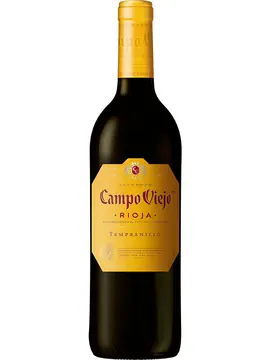
Campo Viejo Tempranillo
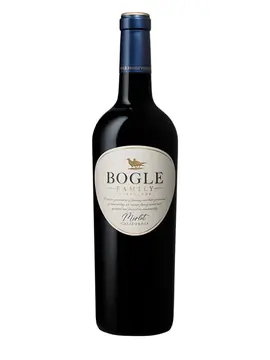
Bogle Merlot
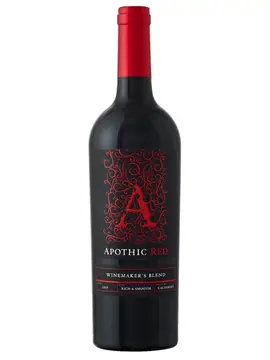
Apothic Red
Steps: stovetop method
- Combine everything except the spirit. Put the wine, water or juice, orange, spices and sugar in a heavy pot.
- Warm on low heat. Bring the pot up slowly, stirring until the sugar dissolves. You want steam rising from the surface, not bubbles.
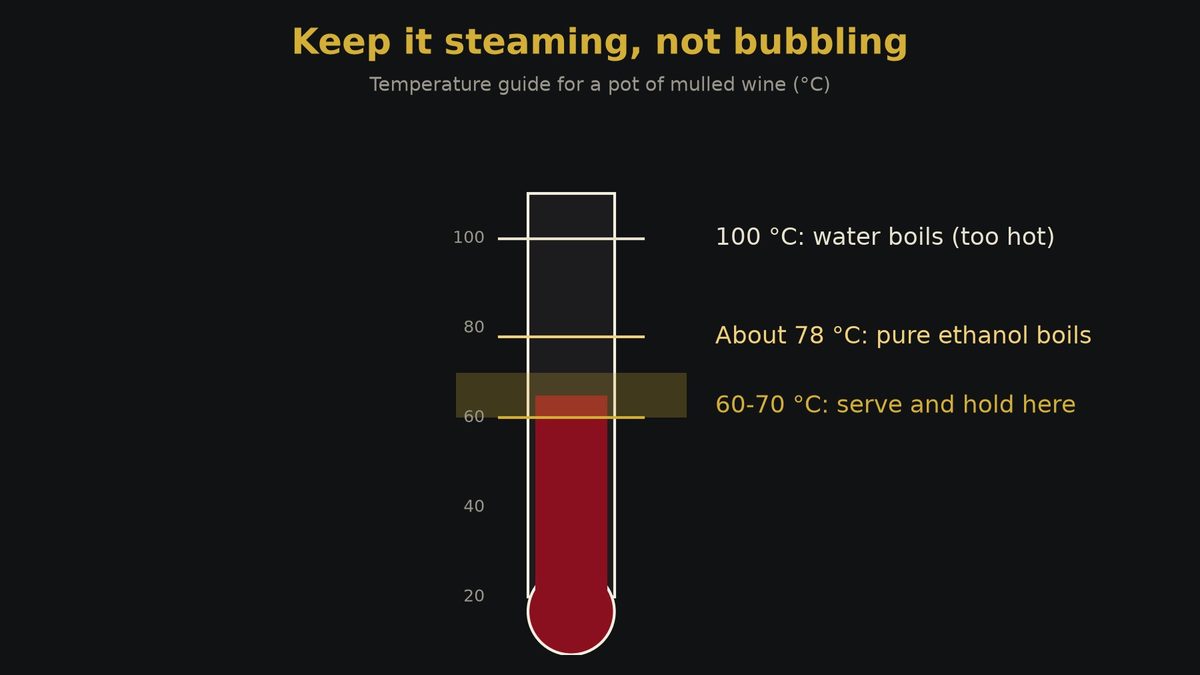
- Hold for 20 to 30 minutes. Keep the heat at its lowest setting with the lid on. If you have a thermometer, aim for about 60 to 70 °C.
- Check the sugar level. Add a little more sugar or honey if you want, stirring until it dissolves.
- Strain. Lift out the spices and orange with a slotted spoon, or pour through a sieve into a warm jug.
- Add the spirit last, off the heat. If you are using brandy or rum, stir it in after the pot comes off the stove.
- Serve in heatproof mugs or glasses, with a fresh orange slice or cinnamon stick if you like.
Why mulled wine should never boil
Pure ethanol boils at about 78 °C, well below water's 100 °C. Wine is mostly water, so it doesn't boil at 78 °C, but the hotter it gets, the faster the alcohol evaporates from the surface. A pot that is bubbling hard for half an hour loses more alcohol than one held at a gentle steam, and it loses it unevenly, so the strength of the last mug is different from the first. Boiling also reduces the liquid, concentrating the sugar, and it can scorch honey on the bottom of the pot.
Keeping the pot at 60 to 70 °C solves all of that. It is hot enough to serve and to draw the spices out, and it keeps each mug close to the same strength. A cheap kitchen thermometer takes the guesswork out of it. Without one, the rule is simple: steam is fine, bubbles are not.
Slow-cooker method for a party
A slow cooker is the easiest way to hold mulled wine through an evening.
- Combine everything except the spirit in the slow cooker.
- Cover and heat on low for about 1 hour, until it is steaming.
- Switch to the "warm" setting. Many slow cookers reach close to a simmer if they stay on low for several hours, so "warm" is safer for holding.
- Leave the lid on between servings to limit evaporation.
- Add any brandy or rum to individual mugs rather than to the whole pot, so each guest can choose.
Set the slow cooker on a stable surface away from the edge of the counter and out of the way of children and pets. Use a ladle, and put out mugs with handles, because the outside of a glass gets hot.
How much alcohol stays in
A common belief is that warming wine "cooks off" the alcohol. Some evaporates, but most of it stays. The USDA's table of nutrient retention factors, which measured alcohol left in cooked foods, lists 85% retained when alcohol is stirred into a hot liquid and removed from the heat, and 40% after 15 minutes of baking or simmering when it is stirred in. Those figures were measured for foods that were baked or simmered. Mulled wine held below a simmer in a covered pot is likely to keep more than the simmering figures suggest. The safe way to count it is as if none of the alcohol has gone.
Standard-drink maths. One standard drink contains 17.05 ml (13.45 g) of pure ethanol. Using a 13% ABV wine:
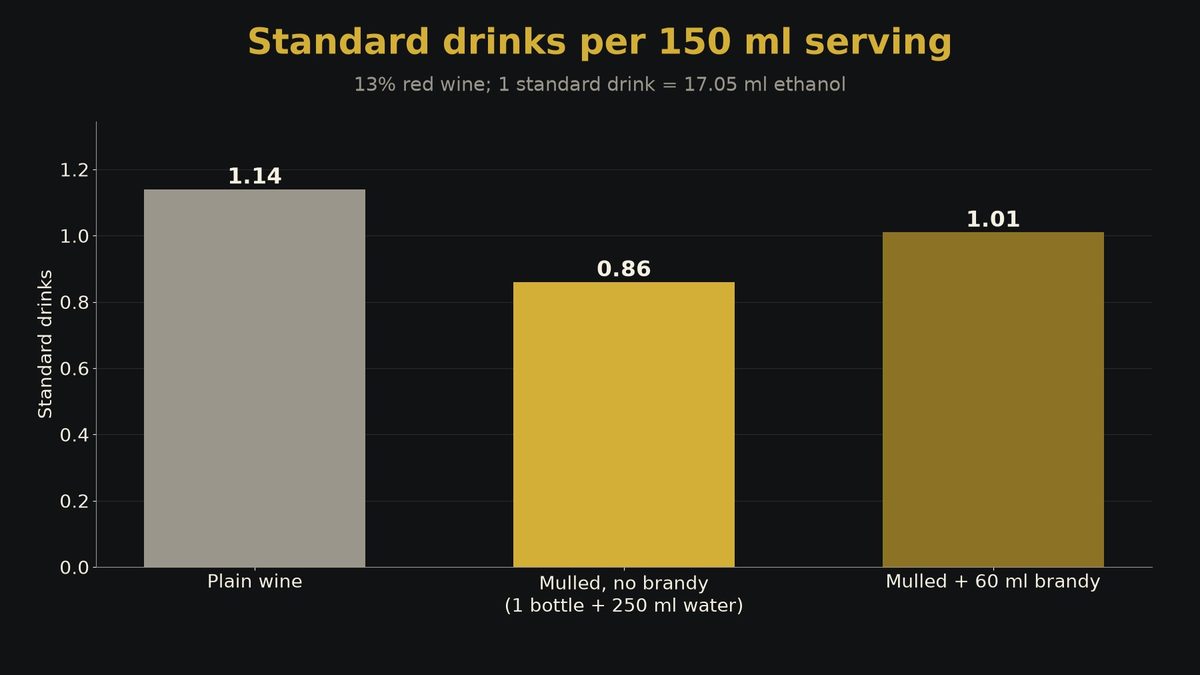
- Plain wine, for comparison: 150 ml × 13% = 19.5 ml of ethanol, about 1.14 standard drinks.
- Mulled wine without a spirit: 750 ml × 13% = 97.5 ml of ethanol in about 1 litre. A 150 ml mug holds about 14.6 ml, or about 0.86 standard drinks.
- Mulled wine with 60 ml of 40% brandy: add 24 ml of ethanol for 121.5 ml in about 1.06 litres. A 150 ml mug holds about 17.2 ml, or about 1.0 standard drink.
The water or juice dilutes each mug a little, but a warm drink is easy to refill without noticing. Big mugs also hold more than 150 ml. Pour with a ladle that you know the size of, and count mugs the way you would count glasses of wine.
Scaling for a crowd
The ratio scales in a straight line. For every 750 ml bottle of wine, use 250 ml of water or juice, one orange, two cinnamon sticks, four to six cloves, two star anise and 40 to 60 g of sugar. For a party of twelve, two bottles give about twelve 150 ml mugs. For twenty-four, four bottles give about twenty-four. Spices don't need to scale exactly; for a four-bottle pot, six cinnamon sticks and a dozen cloves are plenty. Our guide to how many glasses are in a bottle of wine has the pour maths in more detail, and the Christmas Eve page collects wines and spirits for holiday hosting.
Non-alcoholic version
Replace the wine with 750 ml of unsweetened red grape juice and keep the water at 125 ml, since juice is already sweet. Reduce the sugar or leave it out entirely. Add the same orange and spices and warm it in the same way. A cup of strong black tea or a splash of tart cherry or cranberry juice gives it more body. Serve it from a separate, clearly labelled pot so nobody picks up the wrong ladle. Our non-alcoholic holiday drinks guide has more warm options.
Storing and reheating leftovers
Let leftover mulled wine cool, strain out the spices and orange, and keep it in a sealed jar or bottle in the fridge. Use it within two or three days, which is in line with general guidance for opened red wine in our guide to how long opened wine lasts. Reheat it gently on the stove or in the microwave in short bursts, and stop as soon as it steams. Don't hold a pot warm for more than a few hours, because the liquid keeps reducing.
Frequently asked questions
What wine is used for mulled wine?
An inexpensive dry red. Tempranillo, Merlot, Garnacha and red blends are common choices. A costly or heavily oaked bottle is not needed.
How long should you heat mulled wine?
Warm it slowly and hold it on low heat for 20 to 30 minutes. After that, keep it on the lowest setting with a lid on. Don't let it boil.
Does mulled wine lose its alcohol when heated?
Only some. Most of the alcohol stays when the pot is kept below a simmer. Count each mug as roughly one standard drink.
Can you make mulled wine in a slow cooker?
Yes. Heat it on low for about an hour, then switch to "warm" to hold it. Keep the lid on between servings.
Can you make mulled wine ahead of time?
Yes. Make it a day ahead, strain it, refrigerate it and reheat it gently before guests arrive.
What spirit can you add to mulled wine?
Brandy and dark rum are the usual choices. Add about 60 ml per bottle of wine, off the heat, or add it to individual mugs.
Related reading
You must be of legal drinking age in your province. ID and adult signature required at delivery.