What Is Limoncello? Ingredients, ABV and How to Serve It

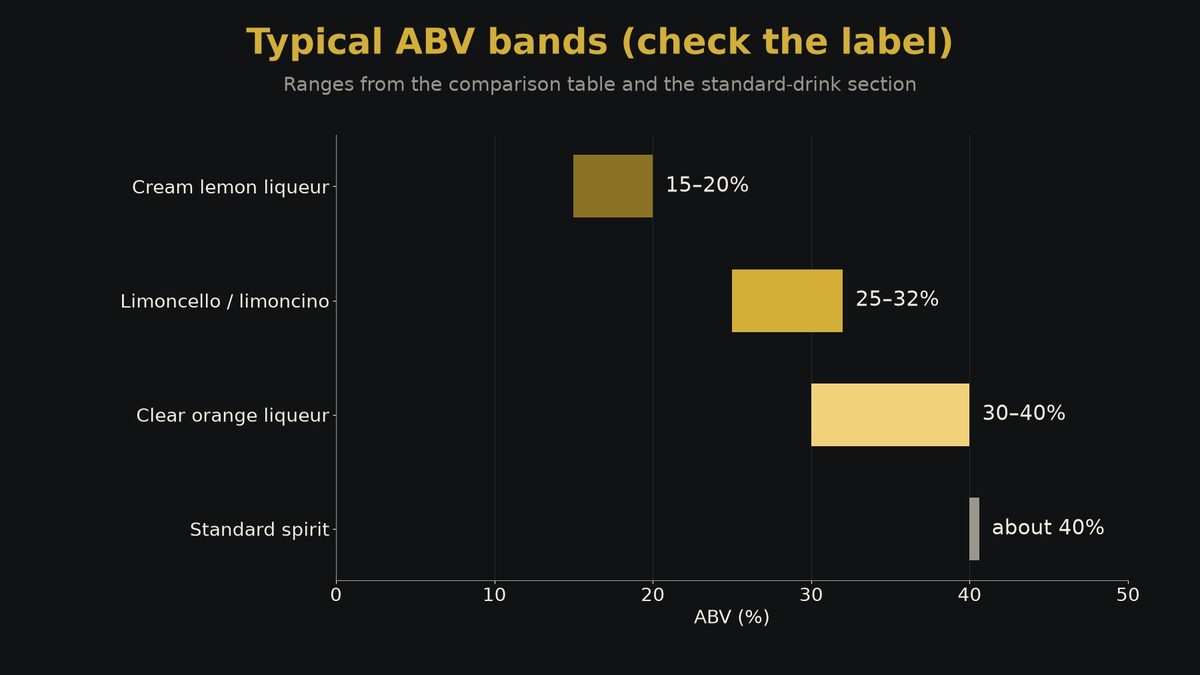
Limoncello is a lemon liqueur made by steeping lemon zest in neutral spirit and then adding sugar syrup. Bottles commonly fall between about 25% and 32% ABV; check the label. It is traditionally served well chilled in small glasses after a meal. Limoncino is another name for the same style, used by some producers.
Limoncello holds steady interest in Google Trends year-round, with brief spikes rather than a long seasonal climb. The holiday season is when it earns a place on the table: a small, cold glass after a long dinner is a common way to finish, and a bottle is an easy host gift. This guide explains how limoncello is made, how it compares with other citrus liqueurs, how to serve and store it, and how to count the alcohol in a pour. It describes ingredients and methods only.
Ingredients and process
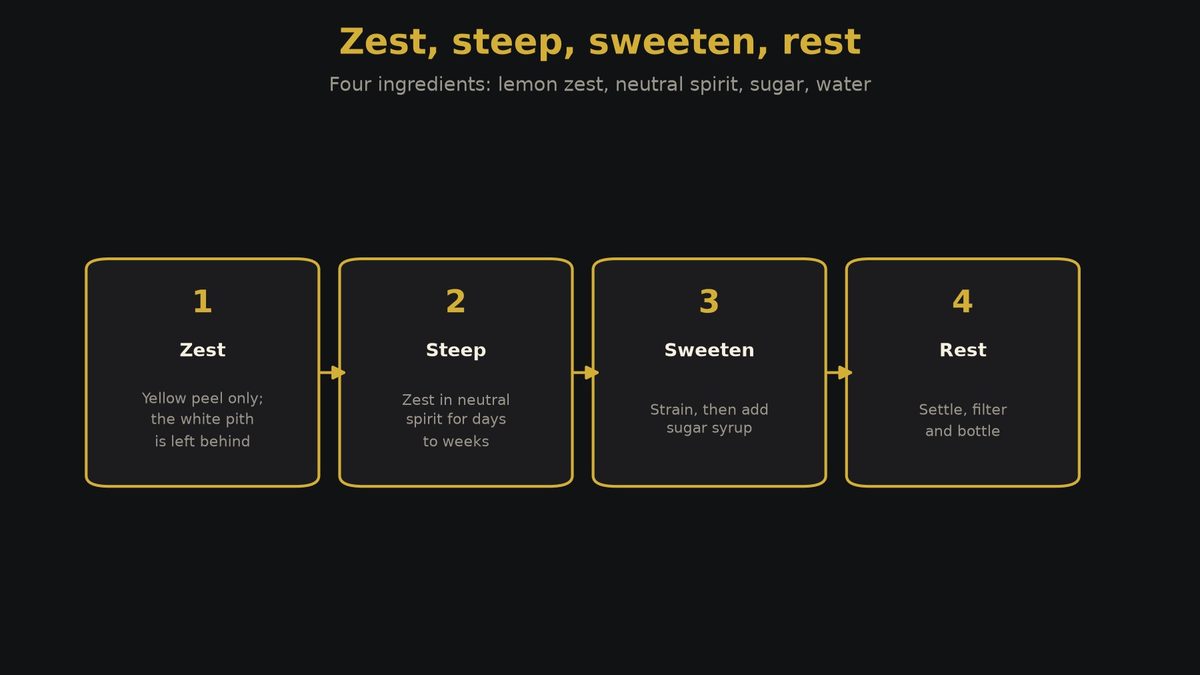
Limoncello has only four ingredients: lemon zest, a neutral spirit, sugar and water. The method follows four steps.
1. Zest. Only the yellow outer peel is used. The white pith underneath is left behind because it adds bitterness. Producers use lemons with thick, aromatic peel.
2. Steep. The zest is soaked in a high-strength neutral spirit, usually grain or grape alcohol, for days to weeks. The alcohol draws the oils and colour out of the peel, turning the spirit bright yellow.
3. Add syrup. The zest is strained out and a syrup of sugar dissolved in water is blended in. This lowers the alcohol to bottling strength and makes the drink a liqueur.
4. Rest. The blend is rested so it settles before filtering and bottling. Some producers leave it slightly cloudy, because the lemon oils can cloud the liquid when it is chilled.
Because the ratio of zest, spirit and sugar varies, two bottles can differ in sweetness, colour and strength. The label tells you the ABV.
Limoncello vs limoncino vs cream versions vs orange liqueur
| Liqueur | Base fruit | Typical ABV band (check label) | Usual serve | Catalogue example |
|---|---|---|---|---|
| Limoncello | Lemon zest | 25–32% | Ice-cold, 30–45 ml, after dinner | Luxardo Limoncello |
| Limoncino | Lemon zest | 25–32% | Same as limoncello | Lazzaroni Limoncino |
| Cream lemon liqueur | Lemon zest with milk or cream | 15–20% | Chilled, small glass | Style described only |
| Other limoncello bottles | Lemon zest | 25–32% | Ice-cold, small glass | Zanin Limoncello, Mom's Homemade Limoncello |
| Clear orange liqueur | Orange peel | 30–40% | In cocktails, or neat | Cointreau |
Limoncello and limoncino are the same style. The name used depends on the producer and the area where it is made. Cream versions blend lemon liqueur with dairy, so they have a lower ABV and must be refrigerated after opening. Orange liqueurs are covered in our triple sec vs Cointreau vs Grand Marnier guide.
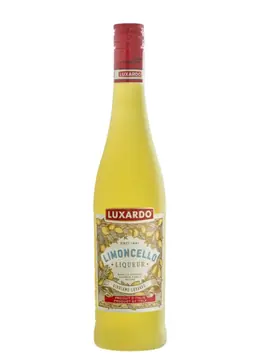
Luxardo Limoncello
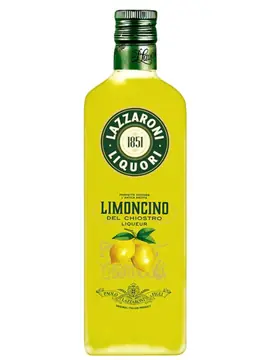
Paolo Lazzaroni & Figli - Limoncino
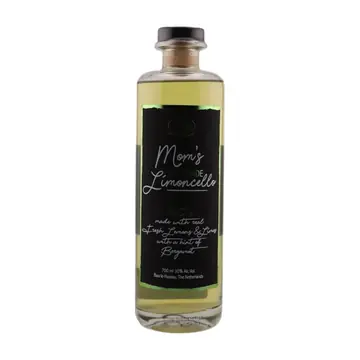
Mom's Homemade Limoncello
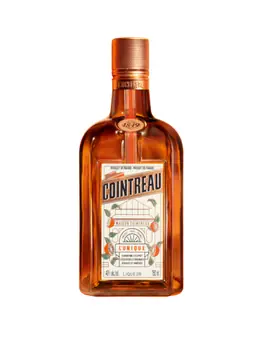
Cointreau (Cointreau S A)
Steps: serving and storing limoncello
- Chill the bottle. Many people keep limoncello in the freezer. At 25–32% ABV it will not freeze solid in a home freezer, which usually runs near −18 °C, though it may thicken slightly. The fridge also works.
- Chill small glasses. Put small liqueur glasses or shot glasses in the freezer for 15–30 minutes, so they frost.
- Pour 30–45 ml. Limoncello is served in small amounts, usually neat and without ice.
- Reseal. Put the cap back on straight away, so the bottle does not absorb freezer odours.
- Store as the label directs. Unopened, keep it cool and out of sunlight. Once opened, many producers suggest the fridge or freezer. Cream versions must be refrigerated.
Using limoncello in mixed drinks
Limoncello can also be used in longer drinks. Keep to measured pours:
- Limoncello spritz. 45 ml limoncello, 90 ml sparkling wine and 30 ml soda water over ice in a wine glass, with a lemon slice. Our spritz recipes cover the spritz method.
- Sparkling top-up. 15–20 ml limoncello in a flute topped with about 120 ml of dry sparkling wine. Browse sparkling bottles in our sparkling wine category.
- Limoncello and soda. 45 ml limoncello with 120 ml soda water over ice. This is a lower-alcohol long drink.
- Lemon sour. 30 ml vodka or gin, 22.5 ml limoncello and 15 ml lemon juice, shaken with ice and strained.
Standard-drink maths
One standard drink is 17.05 ml of pure alcohol (13.45 g). Use: pour (ml) × ABV ÷ 17.05 = standard drinks.
- 30 ml at 28% ABV: 8.4 ml of alcohol, about 0.5 standard drink.
- 45 ml at 28% ABV: 12.6 ml, about 0.74 standard drink.
- 45 ml at 32% ABV: 14.4 ml, about 0.84 standard drink.
- Limoncello spritz (45 ml at 28% plus 90 ml sparkling wine at 11%): 12.6 + 9.9 = 22.5 ml, about 1.3 standard drinks.
Plug in the ABV from your own bottle. The spritz contains more alcohol than a neat pour because of the wine.
How many glasses per bottle?
At 30 ml per glass, a 700 ml bottle gives about 23 servings and a 750 ml bottle about 25. At 45 ml, a 700 ml bottle gives about 15. For a dinner of 10 guests with one small glass each, one bottle is plenty.
Serving limoncello at a holiday dinner
A cold glass of limoncello is an easy way to close a long meal, and it needs almost no preparation on the day.
- The night before: move the bottle to the freezer and count out small glasses.
- Before guests arrive: put the glasses in the freezer on a tray so they are easy to carry out.
- After dessert: pour 30 ml per glass at the table, so everyone gets the same measure.
- For guests who are not drinking: offer chilled sparkling water with a strip of lemon zest in the same small glasses, so nobody is left out of the toast.
- Before anyone leaves: put the kettle on and offer coffee or tea, and make sure every guest has a safe ride home.
Common mistakes
- Serving it warm. Limoncello is meant to be served very cold. A room-temperature bottle is the most common slip.
- Pouring large glasses. It is a liqueur at around 30% ABV, so a wine-glass pour is several standard drinks.
- Leaving the cap loose in the freezer. The bottle can pick up odours from food stored nearby.
- Keeping a cream version in the cupboard. Cream lemon liqueurs contain dairy and need the fridge once opened.
Making it at home vs buying a bottle
Homemade limoncello is a common holiday project. If you make it, use only the zest, keep the steeping jar sealed and out of the sun, and label the finished bottle with the date and approximate strength. Home recipes vary a lot in alcohol, so a store-bought bottle with a printed ABV is easier to measure. Never use high-strength spirit near a flame or stovetop.
Finding limoncello in our catalogue
Every limoncello and limoncino we list is in the liqueur category. For keeping opened bottles in good condition, see how to store wine and spirits. Seasonal gifting picks are on the holiday party gift edit.
Frequently asked questions
What is limoncello made of?
Lemon zest, a neutral spirit, sugar and water. The zest is steeped in the spirit, then strained, and sugar syrup is added.
Does limoncello need to be refrigerated?
Unopened bottles can be stored cool and dark. Once opened, many producers suggest the fridge or freezer, and it is served cold anyway. Cream versions must always be refrigerated after opening.
Will limoncello freeze?
Not in a normal home freezer. At around 25–32% ABV it stays liquid at about −18 °C, though it can thicken.
What is the difference between limoncello and limoncino?
They are the same style of lemon liqueur. Limoncino is simply another name used by some producers.
How much alcohol is in limoncello?
Most bottles are between about 25% and 32% ABV. A 45 ml pour at 28% is about 0.74 of a standard drink. Always check the label.
Is limoncello a digestif?
It is traditionally served after a meal in a small, chilled glass, which is how a digestif is served. It is a sweetened liqueur, not a medicine, and does not aid digestion in any proven way.
Related reading
- Triple Sec vs Cointreau vs Grand Marnier
- Hugo, Aperol and Campari Spritz Recipes
- How to Store Wine and Spirits
You must be of legal drinking age in your province. ID and adult signature required at delivery.