Cocktail Shaker Types and When to Shake vs Stir
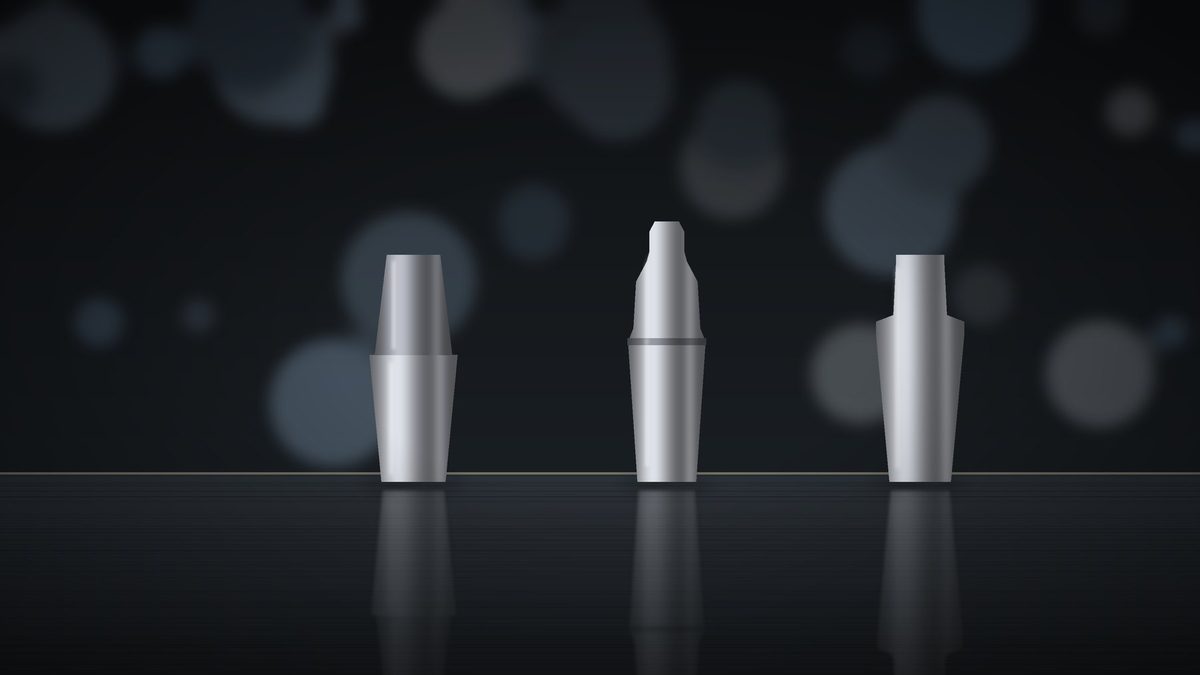
There are three main cocktail shakers. A Boston shaker is two tins, or a tin and a glass. A cobbler is three pieces with a built-in strainer. A two-piece cap shaker has a metal body and a fitted cap, usually with no separate strainer. A common rule: shake drinks made with citrus, juice, cream or egg, and stir drinks made only of spirits.
Searches for the cocktail shaker are still small in Google Trends, but they went from nothing in late summer to a steady presence this month. It is a low-volume topic, so treat it as a seasonal gift-and-hosting question rather than a mass trend. It is also a practical one. People who unwrap a shaker, or buy one before a party, usually want to know which type to choose, how to use it and which drinks need it at all. This guide covers the three shaker designs, the supporting bar tools and the shake-or-stir rule. Everything here is a physical fact about equipment and technique, not a claim about how a drink tastes.
The three main shakers
Boston shaker. Two tins, or one tin and one glass, that seal together when the large piece is tapped onto the small one. It holds the most liquid, it is quick to use and it is the standard in most bars. It does not have a built-in strainer, so you need a separate one. Learning to seal and break it takes a few tries.
Cobbler shaker. A metal body, a cap with a strainer built in and a small lid on top. It is the easiest to start with because everything is in one piece and you can pour straight from it. The trade-off is that the cap can stick when it is cold, and the built-in strainer can clog with pulp, mint or ice chips. Most home sets include one.
Two-piece cap shaker. A metal body with a close-fitting cap and no built-in strainer. It is compact and has no small parts to lose. Like a Boston shaker, it needs a separate strainer. It suits people who already own a strainer and want a simple, neat design.
Comparison table: shaker types
| Shaker | Pieces | Built-in strainer? | Seal and opening notes | Commonly used by |
|---|---|---|---|---|
| Boston | 2 (two tins, or tin and glass) | No | Seals with a firm tap; break the seal with the heel of the hand | Bartenders, and people who make several drinks at once |
| Cobbler | 3 (body, strainer cap, lid) | Yes | Seals by pressing on the cap; can stick when cold | Home users, beginners and gift sets |
| Two-piece cap | 2 (body and cap) | No | Cap pressed on by hand; needs a strainer for pouring | People who already own a strainer |
If you are choosing one, a cobbler is the simplest start and a Boston gives the most room. Check the capacity on the box: a cobbler commonly holds 250 to 750 ml, and the large tin of a Boston set is usually bigger still.
Other bar tools worth having
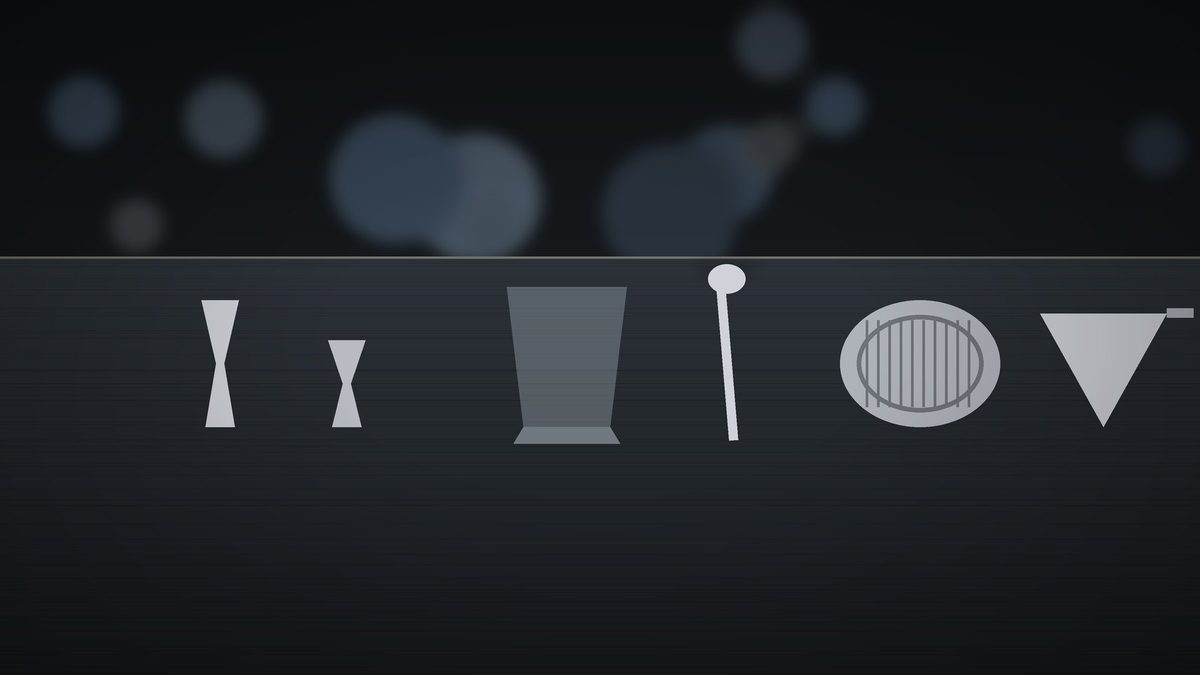
- Jigger. A double-ended measure, commonly 30 ml and 45 ml, that makes drinks repeatable. Measuring is the single biggest change a home bar can make, and it also lets you count the standard drinks you pour.
- Hawthorne strainer. A flat metal strainer with a spring that fits over a Boston tin or mixing glass.
- Fine strainer. A small mesh cone held over the glass while you pour, to catch ice chips and pulp. It is often called double straining.
- Bar spoon. A long, twisted spoon for stirring, which also doubles as a measure for small amounts.
- Mixing glass. A heavy glass or tin with a pouring spout, used for stirred drinks.
For a party, our holiday party bar setup guide covers how many tools to lay out and how to arrange a bar so guests can help themselves.
Shake versus stir: the rule and the reasons
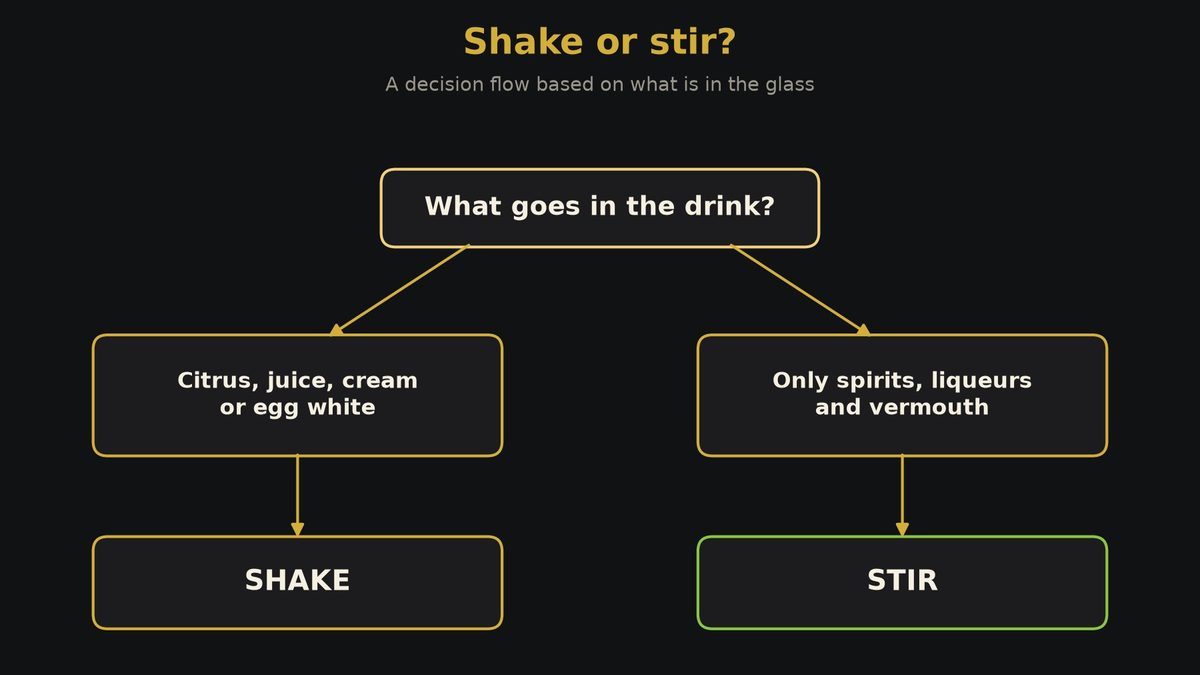
The rule is short. Shake any drink that contains citrus juice, other juice, cream, egg white or syrup. Stir any drink made only of spirits, liqueurs and vermouth. The reasons are physical.
- Mixing. Citrus, cream and egg do not blend on their own. Hard shaking forces them together. Spirits mix easily, so a spoon is enough.
- Dilution. Both methods melt a little ice into the drink. Shaking melts more ice in a shorter time, and a drink that includes juice is built with that water in mind. A stirred drink melts less ice, so it is controlled more slowly.
- Temperature. Shaking chills fastest. Stirring cools more slowly but can reach the same level of cold.
- Texture and clarity. Shaking adds tiny air bubbles. For egg white or cream, that is the goal, because it gives the drink a lighter body. For a spirits-only drink, it makes the liquid cloudy, which is why those drinks are stirred.
There are exceptions, and plenty of bartenders disagree. Treat the rule as a starting point.
Steps: how to shake, and how to stir
To shake
- Measure into the small tin. Pour in every liquid ingredient using a jigger. If the recipe includes egg white or cream, add them now.
- Fill the large tin about two-thirds with ice. Use cubes rather than crushed ice, because large cubes melt more slowly.
- Seal and shake hard for about 10 to 15 seconds. That is common guidance. Hold both tins firmly, and shake over your shoulder, away from guests.
- Break the seal. Tap the side of the large tin with the heel of your hand.
- Strain. Use a Hawthorne strainer, and a fine strainer as well if you want to catch ice chips.
To stir
- Fill the mixing glass with ice.
- Add the spirits. Measure each with a jigger.
- Stir for about 20 to 30 seconds. That is common guidance. Keep the back of the spoon against the glass so the ice moves as one body.
- Strain into a chilled glass.
Drinks with egg white are sometimes shaken twice, once with ice and once without. That "dry shake" adds more air before the drink is chilled.
Which classic drinks are shaken or stirred
Shaken: the sidecar, the espresso martini, the amaretto sour and most sours, because all contain juice, coffee or egg. Our classic cocktail recipes guide covers more.
Stirred: the martini and other drinks made only of spirits and vermouth. Our gin vs vodka martini guide explains the build.
Ingredients for these drinks are found in the gin, vodka and liqueur categories, or in the wider spirits section. Examples include Bols Triple Sec, Grand Marnier, Bacardi Superior Rum and Cazadores Blanco Tequila. If you are choosing between orange liqueurs, our triple sec vs Cointreau vs Grand Marnier guide compares them.
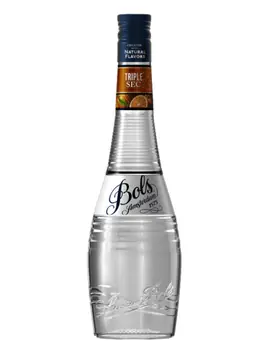
Bols Triple Sec Liqueur
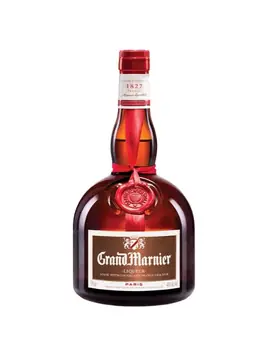
Grand Marnier
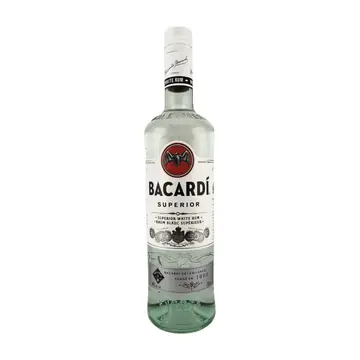
Bacardi Superior
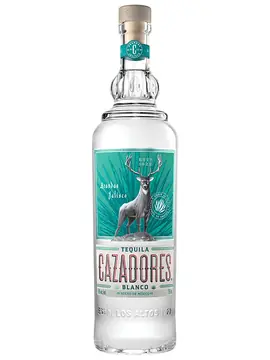
Cazadores Blanco
A note on measuring and standard drinks
A cocktail is easy to over-pour. A 45 ml measure of a 40% spirit contains 18 ml of ethanol, which is about 1.06 standard drinks, and many cocktails contain two measures. Measure every pour, count each drink and offer water and non-alcoholic options. A shaker makes it easy to mix a large amount at once, so scale a recipe by counting guests rather than by filling the tin.
Frequently asked questions
What is the difference between a Boston and a cobbler shaker?
A Boston shaker is two tins (or a tin and a glass) with no built-in strainer, so you need a separate one. A cobbler shaker has three pieces and a strainer built into the cap, so you can pour straight from it. A Boston is faster and holds more, and a cobbler is easier for beginners.
Why are some cocktails stirred instead of shaken?
Drinks made only of spirits mix easily, and shaking would fill them with tiny bubbles and make them cloudy. Stirring chills and dilutes them more gently and keeps them clear. Drinks with juice, cream or egg need the force of shaking to blend.
How long do you shake a cocktail?
Common guidance is about 10 to 15 seconds, hard, with plenty of ice. Stirred drinks take about 20 to 30 seconds. The shaker should feel very cold on the outside when you are done.
Do you need a strainer?
With a Boston or two-piece cap shaker, yes. A Hawthorne strainer is the standard choice. A cobbler has a strainer built in. A fine mesh strainer on top catches ice chips and pulp.
Can you use a jar instead of a shaker?
A jar with a tight, leak-proof lid works for a home drink. Make sure the lid is secure, because hard shaking with ice puts pressure on it, and use a separate strainer to pour. Do not use a thin glass jar with a loose lid.
Do shaken drinks contain more alcohol than stirred ones?
No. The amount of alcohol is set by how much spirit you pour. Shaking and stirring only change how much ice water is added and how cold the drink gets.
Related reading
You must be of legal drinking age in your province. ID and adult signature required at delivery.