Carajillo Recipe: Espresso With Brandy or Rum, Hot or Over Ice
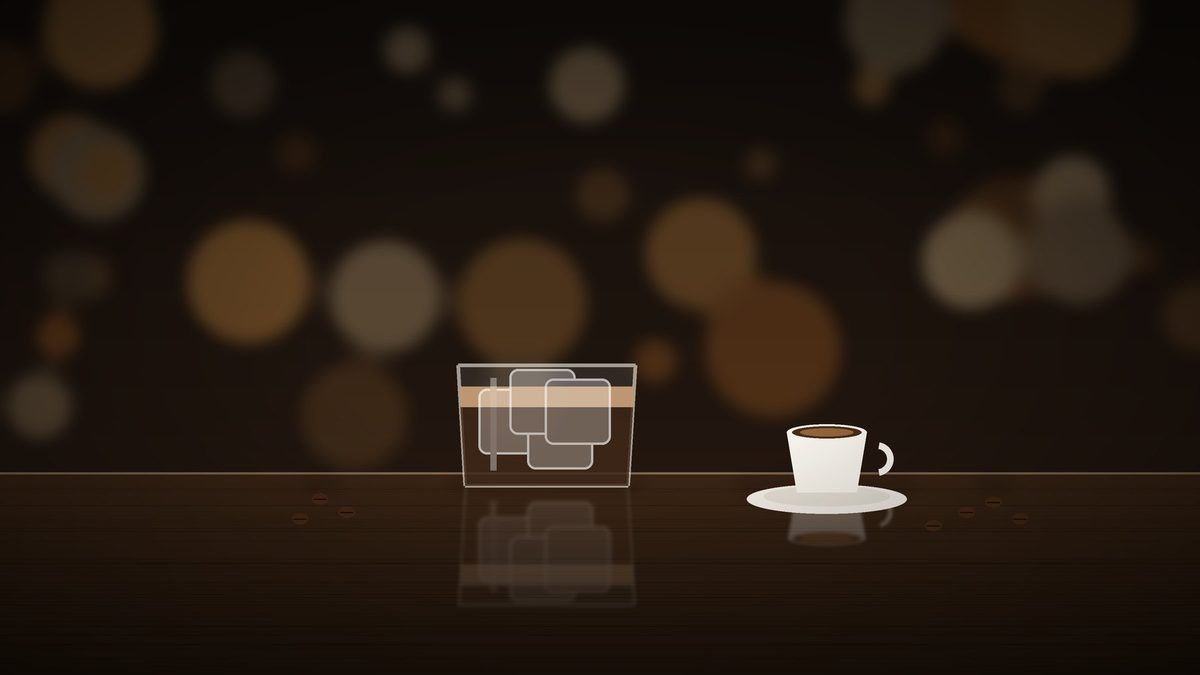
A carajillo is espresso combined with a spirit. The traditional café version is a small hot coffee with brandy or rum added. A widely shared modern version shakes espresso with a vanilla-and-citrus liqueur and pours it over ice. A common ratio is 30 to 45 ml of spirit to 30 to 60 ml of fresh espresso.
"Carajillo cocktail" shows up among the rising related searches for cocktails in this morning's Google Trends check, and it was on the same rising list a day earlier. Overall interest is still very small next to the big spirit names, but it has moved up from zero since late summer, and the timing suits the season. After-dinner coffee is part of most holiday meals, and a carajillo is one of the simplest ways to turn that coffee into a drink for the adults at the table. It needs only two ingredients and no special tools beyond a way to make strong coffee. This guide covers the hot version, the iced shaken version, the standard-drink maths and an alcohol-free version, and explains why the flaming style is left out. It describes method and measurements only, with no claims about flavour.
Comparison table: carajillo styles and their coffee cousins
The last two rows are here for comparison. Each has its own full recipe on our blog.
| Style | Spirit | Spirit amount | Coffee | Served | Glass |
|---|---|---|---|---|---|
| Hot carajillo | Brandy or aged rum | 30 to 40 ml | 30 to 60 ml hot espresso | Hot | Small heatproof glass or cup |
| Iced shaken carajillo | Brandy, aged rum or coffee liqueur | 40 to 45 ml | 30 to 60 ml fresh espresso | Over ice | Rocks glass |
| Espresso martini | Vodka plus coffee liqueur | See our recipe | Espresso | Shaken, no ice in the glass | Coupe or martini glass |
| Coffee liqueur on ice | Coffee liqueur | See our guide | Optional | Over ice | Rocks glass |
For the full espresso martini method, see our espresso martini recipe. For how coffee liqueurs are made and labelled, see what is coffee liqueur.
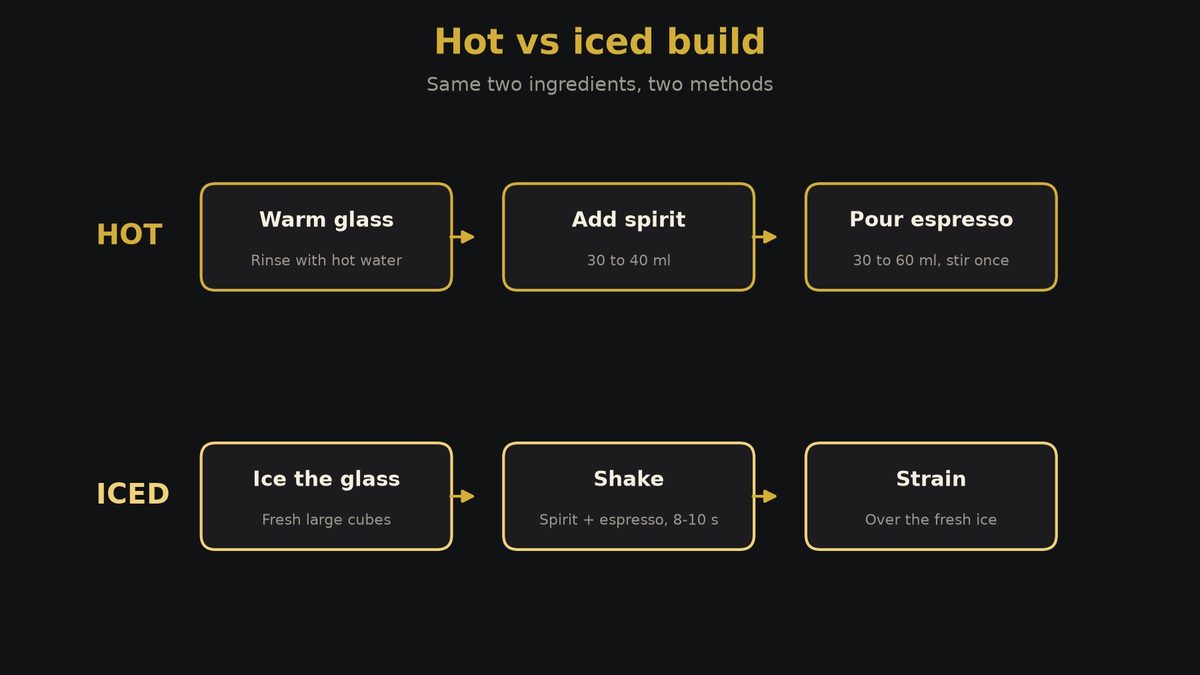
The traditional hot carajillo
The original carajillo is a café drink: a small cup of espresso with a measure of brandy or rum poured in, served straight away. Some cafés warm the glass first, and some add a teaspoon of sugar. It is quick, which is why it became a habit after meals.
Ingredients (one drink)
- 30 to 40 ml brandy or aged rum
- 30 to 60 ml freshly made espresso (a single or double shot)
- Optional: 1 teaspoon sugar
- A small heatproof glass or espresso cup
Steps (hot)
- Warm a small glass. Rinse it with hot water and empty it. Use a glass that is rated for hot drinks.
- Add the spirit. Measure 30 to 40 ml of brandy or aged rum with a jigger and pour it into the warm glass. Stir in the sugar now if you are using it.
- Pour the espresso over it. Make the espresso and pour it straight in. Stir once and serve.
Brandy is the most common choice. Examples from the catalogue include Torres 10 Year Old Brandy and Fundador Brandy. For rum, an aged bottle such as Bacardi 8 Year Old is a typical pick. The brandy category and the rum category list every option, and our guide to what brandy is explains the age statements on brandy labels.
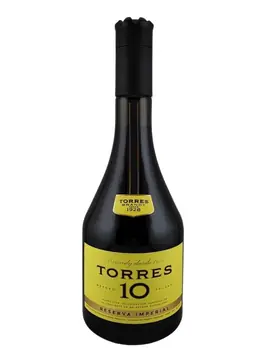
Torres 10Yr Brandy
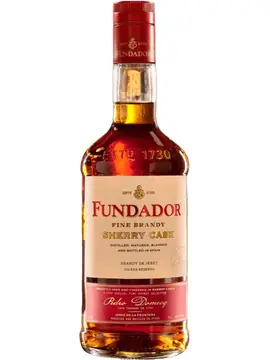
Fundador Brandy
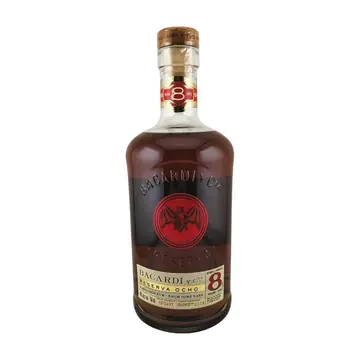
Bacardi 8 Year Old
The iced shaken carajillo
The version that has spread on social media is shaken with ice and poured over fresh ice in a rocks glass. The espresso foams as it is shaken, which leaves a pale layer of crema on top. Most recipes for this style name a specific golden vanilla-and-citrus liqueur. That liqueur is not currently listed in our catalogue, so here are three versions that use bottles we do carry:
- Brandy: 40 ml brandy and 45 ml espresso, with 5 to 10 ml simple syrup or vanilla syrup if you add sugar to your coffee.
- Aged rum: 40 ml aged rum and 45 ml espresso, with the same optional syrup.
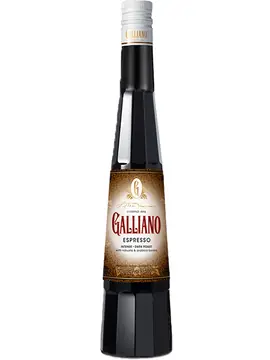
- Coffee liqueur: 40 ml coffee liqueur such as Galliano Espresso Liqueur and 45 ml espresso. Coffee liqueurs are already sweetened, so skip the syrup.
Steps (iced)
- Pull a fresh espresso. Make it just before you shake so the crema forms well.
- Fill a rocks glass with ice. Use fresh ice, ideally one large cube or several large cubes.
- Add the spirit to a shaker with ice. Measure it with a jigger, and add any syrup now.
- Add the espresso and shake briefly. About 8 to 10 seconds is enough to chill and foam it. Hot espresso melts ice fast, so don't shake longer than that.
- Strain over the fresh ice. The foam settles on top as a pale layer.
Galliano Espresso
Why the flaming style is left out
There is an old variation sometimes called a "quemado", in which the spirit is set alight with sugar and citrus peel before the coffee goes in. It is not included here. An open flame near a glass of high-strength alcohol can flare, the flame is hard to see in a bright room, and a hot glass can crack. Burns from flaming drinks are a real home-kitchen injury. The hot version above, made with a warmed glass, gives a warm drink without any of that risk.
Standard-drink maths
One standard drink contains 17.05 ml (13.45 g) of pure ethanol.
- 40 ml of a 40% brandy or rum contains 40 × 0.40 = 16 ml of ethanol, which is about 0.94 standard drinks.
- 30 ml of a 40% spirit contains 12 ml of ethanol, about 0.70 standard drinks.
- Coffee liqueurs are usually bottled well below 40%. At 20% ABV, 40 ml contains 8 ml of ethanol, about 0.47 standard drinks. Check your label for the real figure.
Coffee does not change the alcohol content, and it does not make anyone more sober. Caffeine can make a person feel more alert, but the alcohol is processed at the same rate either way. Count each carajillo as a drink, and keep in mind that an after-dinner drink often comes on top of wine with the meal. Coffee late in the evening can also affect sleep, so decaffeinated espresso is a reasonable swap.
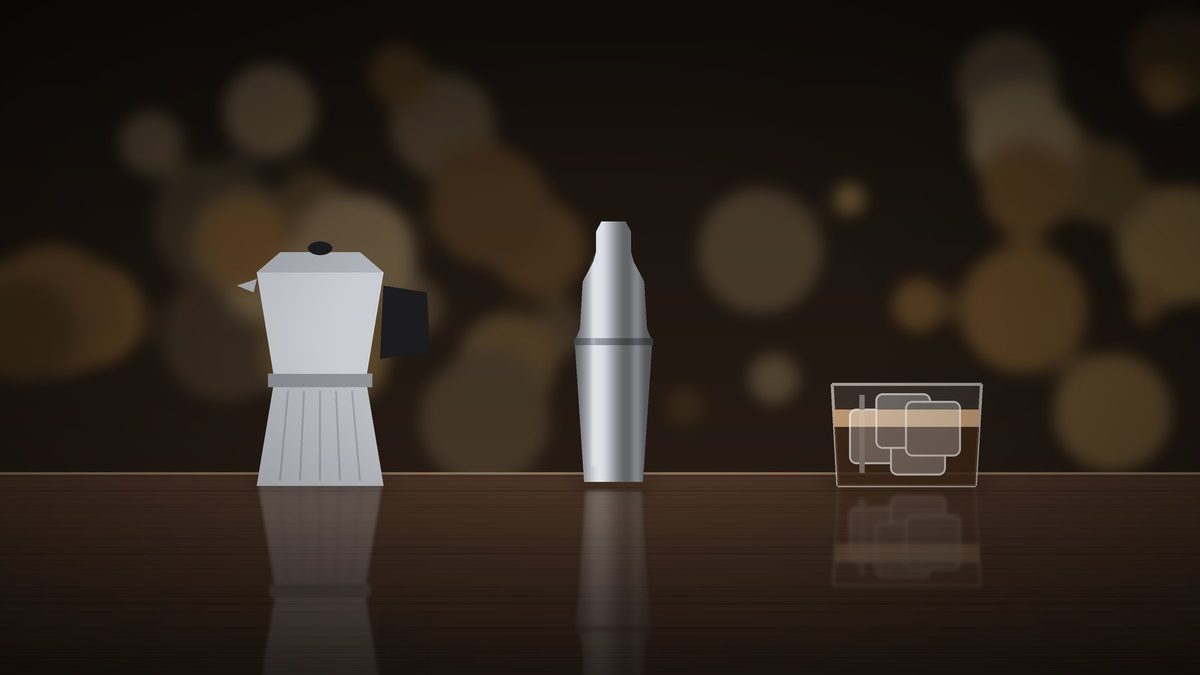
Making a carajillo without an espresso machine
A carajillo needs strong, concentrated coffee, not a full mug of drip coffee. Good alternatives are:
- Stovetop moka pot: produces a strong coffee close to espresso. Use 45 to 60 ml per drink.
- Instant espresso powder: dissolve 1 to 2 teaspoons in 45 ml of hot water.
- Concentrated cold brew: works well in the iced version. Use it straight, without diluting it.
- Strong pour-over or plunger-pot coffee: use about double the usual coffee-to-water ratio.
Non-alcoholic version
For an alcohol-free carajillo, shake 45 ml of fresh espresso with 10 ml of vanilla syrup and a strip of orange peel, then strain over ice in a rocks glass. The orange peel stands in for the citrus side of the liqueur in the shaken style. For a hot version, stir the vanilla syrup into a small espresso and twist the orange peel over the top. Decaffeinated espresso works in both. Our non-alcoholic holiday drinks guide has more ideas for the end of a meal.
Serving carajillos after a holiday meal
Because a carajillo is made one at a time, it suits a small table better than a large party. A few tips:
- Pull the espresso shots first and keep them in a small jug if you are making several hot carajillos at once.
- For the iced style, shake one or two drinks at a time so each gets its foam.
- Put out a coffee-only option for anyone who isn't drinking.
- Measure every pour, and keep it to one carajillo per guest after a meal with wine.
Frequently asked questions
What is a carajillo made of?
Espresso and a spirit. The traditional version uses brandy or rum. The modern iced style shakes espresso with a vanilla-and-citrus liqueur, or with brandy, aged rum or coffee liqueur, and pours it over ice.
Is a carajillo served hot or cold?
Both. The traditional version is a small hot coffee with the spirit added. The modern version is shaken with ice and served over fresh ice in a rocks glass.
What brandy is used in a carajillo?
Any brandy works. Aged brandies such as a 10-year-old are common. Check the label for the age statement and ABV.
Can you make a carajillo with rum?
Yes. Rum, especially aged rum, is one of the traditional choices. Use the same 30 to 40 ml measure.
How much alcohol is in a carajillo?
With 40 ml of a 40% spirit, a carajillo holds about 16 ml of ethanol, roughly 0.94 standard drinks. A coffee liqueur version is usually lower. The coffee adds no alcohol.
Can you make one without an espresso machine?
Yes. Use a stovetop moka pot, instant espresso powder dissolved in a little hot water, concentrated cold brew or extra-strong plunger coffee.
Related reading
You must be of legal drinking age in your province. ID and adult signature required at delivery.