Baking With Rum: Rum-Soaked Cake, Soaking Syrups and How Much Alcohol Remains
In a rum-soaked cake, rum goes in at two points: some in the batter, and more in a butter-sugar syrup poured over the warm cake after baking. Rum in the syrup is not cooked, so most of its alcohol stays in the cake. Baking reduces alcohol only partly. Label the cake and keep it away from children and guests who avoid alcohol.
Searches for rum-soaked cake are among the fastest-rising rum-related queries in Google Trends this month, and rum cake itself has moved from almost nothing in late summer to a visible level now. That is holiday baking season: cakes made this weekend are cakes that mature for a few days before they are served. This guide explains where rum goes in a cake, gives a measured recipe, uses the USDA's published retention table to show how much alcohol is left after baking and suggests a swap for guests who avoid alcohol. It describes methods and amounts only, with no claims about flavour.
Where the rum goes: batter, syrup or glaze
There are three places to add rum.
- In the batter. A few tablespoons are stirred in with the milk. This portion is baked for the whole time, so most of it is lost to heat.
- In a soaking syrup. A syrup of butter, sugar and water is boiled, taken off the heat and then stirred with rum. The warm cake is poked and the syrup is poured over it in stages. This portion is not cooked after the rum goes in, so most of the alcohol remains.
- In a glaze. A thin icing made with rum and powdered sugar is brushed on the cooled cake. It is not heated at all.
Most recipes use the batter and the syrup together. The syrup is what gives a rum cake its name, and it is also where most of the alcohol is. A cake that is soaked, wrapped and left to stand for a day or more will keep that alcohol.
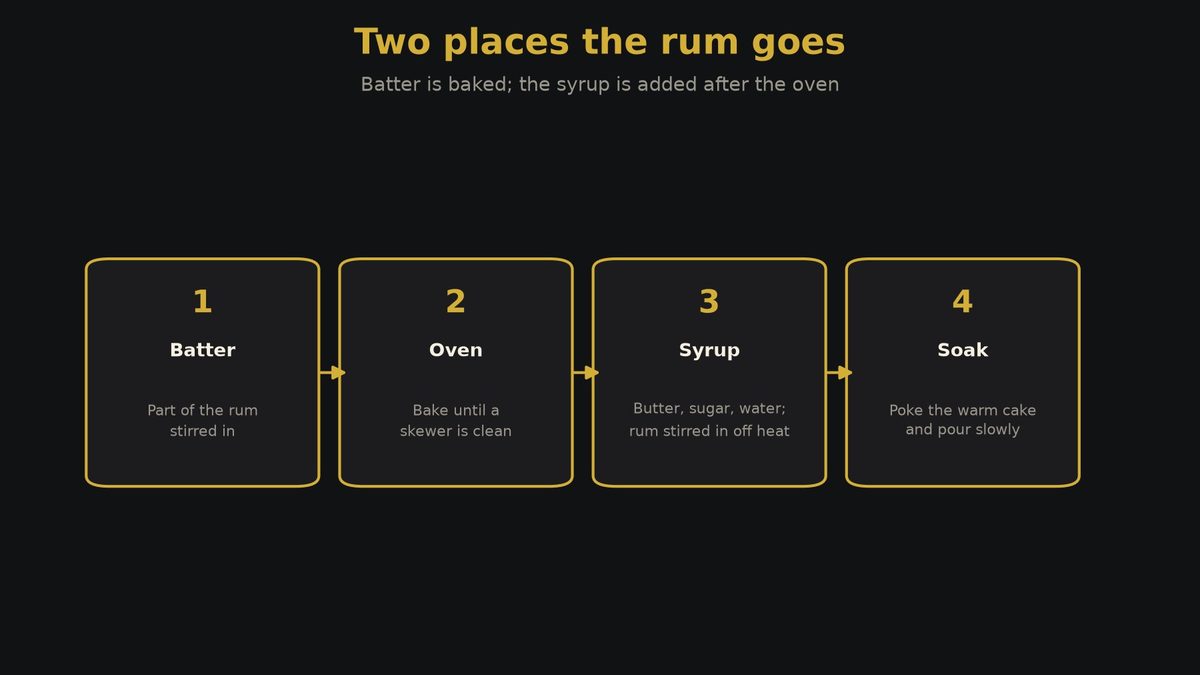
Comparison table: where alcohol ends up
| Stage | Typical rum amount | Cooked afterward? | Alcohol remaining |
|---|---|---|---|
| Batter | A small share of the rum (about 40–45% of the total) | Yes, baked for about an hour | USDA figure for alcohol stirred in and baked for 1 hour: 25% |
| Soaking syrup | The larger share (about 55–60% of the total) | No; added off the heat to a hot syrup | USDA figure for alcohol stirred into a hot liquid: 85% |
| Glaze | A teaspoon or two, if used | No | Most of it; the USDA's no-heat figure is 70% after a night |
| Fruit soak | Dried fruit steeped overnight or longer | No | USDA no-heat, stored overnight: 70% |
The percentages in the last column are from the USDA's table, not from recipe estimates, and they are described in the next section.
How much alcohol remains
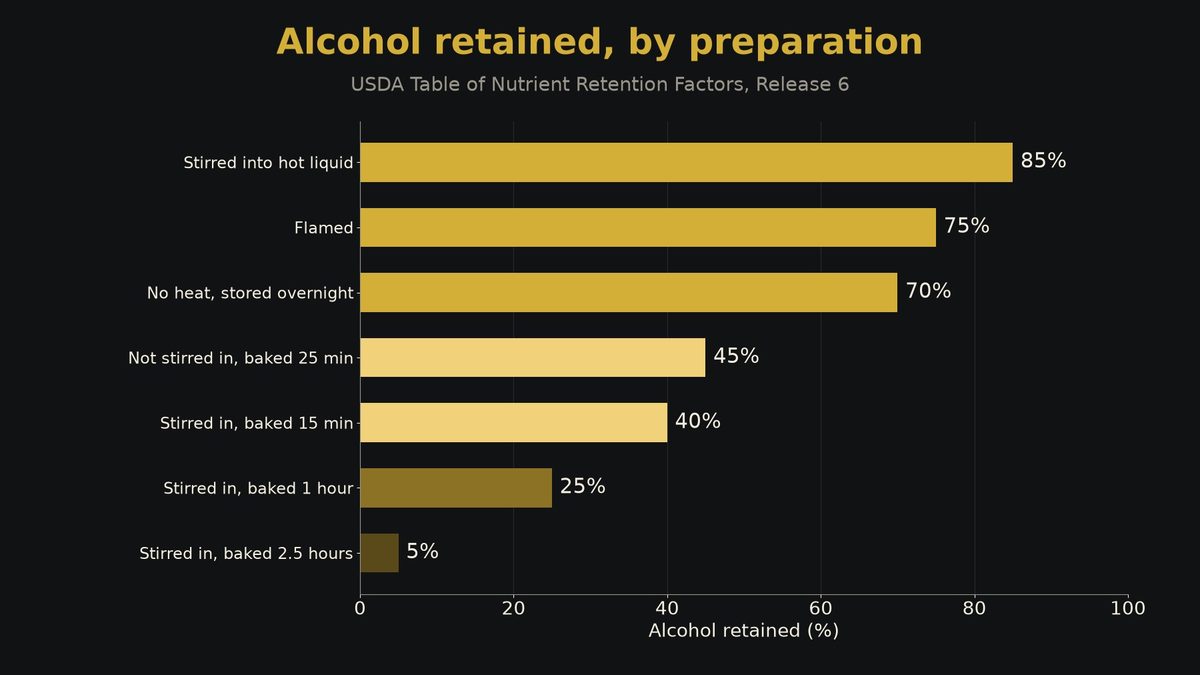
The figures below come from the USDA Table of Nutrient Retention Factors, Release 6 (Agricultural Research Service, Nutrient Data Laboratory), which lists the share of alcohol retained under different preparation methods. The table is based on a laboratory study that measured alcohol in cooked samples.
| Preparation | Alcohol retained |
|---|---|
| Stirred into a hot liquid | 85% |
| Flamed | 75% |
| No heat, stored overnight | 70% |
| Baked 25 minutes, not stirred in | 45% |
| Stirred in, baked or simmered 15 minutes | 40% |
| Stirred in, baked or simmered 30 minutes | 35% |
| Stirred in, baked or simmered 1 hour | 25% |
| Stirred in, baked or simmered 1.5 hours | 20% |
| Stirred in, baked or simmered 2 hours | 10% |
| Stirred in, baked or simmered 2.5 hours | 5% |
Alcohol does not all "burn off". Even after two and a half hours of simmering, some remains. In a quick preparation, such as a syrup that is not boiled with the rum, most of it stays.
A worked estimate for the recipe below
The recipe below uses 60 ml of rum in the batter and 80 ml in the syrup, with a 40% rum.
- Batter: 60 ml × 0.40 = 24 ml of ethanol, and the cake bakes for about an hour, so about 25% remains: about 6 ml.
- Syrup: 80 ml × 0.40 = 32 ml of ethanol, stirred into a hot syrup off the heat, so about 85% remains: about 27 ml.
- Total: about 33 ml of ethanol in the whole cake. Cut into 12 slices, that is about 2.8 ml per slice, or about 0.16 of a standard drink (one standard drink is 17.05 ml of ethanol).
This is an estimate. The USDA says its factors come from specific laboratory conditions, and your pan, oven and timing will differ. It does mean that a slice is not alcohol-free, and that it is not a full drink either. Anyone who avoids alcohol entirely, including children, pregnant women and people who are driving, should be offered a different cake.
Steps: a basic ring-cake method
Cake (serves 12)
- 500 ml (2 cups) all-purpose flour
- 7 ml (1½ tsp) baking powder
- 2 ml (½ tsp) salt
- 225 g (1 cup) butter, softened
- 300 ml (1¼ cups) sugar
- 4 eggs
- 125 ml (½ cup) milk
- 60 ml (¼ cup) dark or gold rum
- 5 ml (1 tsp) vanilla
Syrup
- 115 g (½ cup) butter
- 125 ml (½ cup) water
- 250 ml (1 cup) sugar
- 80 ml (⅓ cup) rum
- Make the batter with part of the rum. Cream the butter and sugar, beat in the eggs one at a time, then add the dry ingredients alternately with the milk, the 60 ml of rum and the vanilla.
- Bake. Pour the batter into a greased, floured 2.5 L ring or tube pan. Bake at 175 °C (350 °F) for about 50 to 60 minutes, until a skewer comes out clean.
- Make the syrup with rum added off the heat. Melt the butter with the water and sugar, boil for about 4 minutes, remove from the heat and stir in the 80 ml of rum. Stand back, because the steam can sting.
- Poke the warm cake and pour the syrup in slowly. Prick the cake all over with a skewer while it is still in the pan, and pour the syrup over in three or four stages, waiting a minute between each so it soaks in.
- Rest, wrap and label it. Let the cake stand in the pan for 30 minutes, turn it out and wrap it. Write "contains alcohol" on the wrapper, and store it in a cool place.
Which rum? Gold and dark rums are the common choices, and spiced rum is sometimes used. Bacardi Gold, Bacardi Black and Appleton Estate Signature Blend are catalogue examples, and the rum category lists more. Our types of rum guide explains the styles.
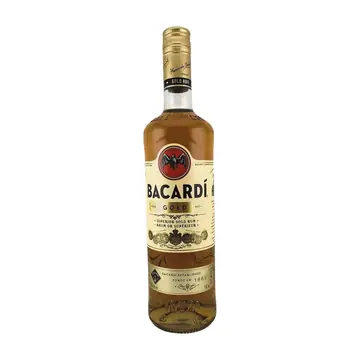
Bacardi Gold
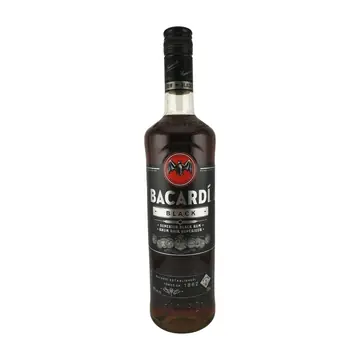
Bacardi Black

Appleton Estate Signature Blend
Other spirits used in baking
Rum is not the only choice. Bakers also use:
- Brandy in fruit cakes and puddings. See what is brandy and the brandy category.
- Orange liqueur in syrups and glazes. Grand Marnier is one example, and our triple sec vs Cointreau vs Grand Marnier guide compares the styles.
- Almond liqueur in biscuits and cakes. Disaronno is a catalogue example, and our amaretto sour recipe shows another use. Browse all liqueurs.
The same rules apply: whatever is added after the oven keeps most of its alcohol.
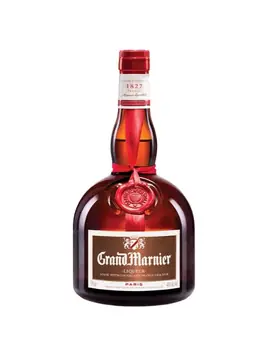
Grand Marnier
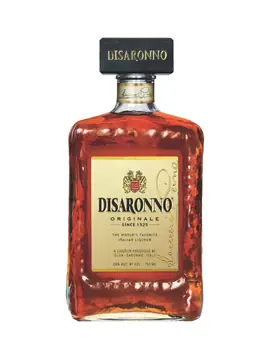
Disaronno
Alcohol-free swap
To make a cake with no alcohol, replace the rum in the batter with milk or orange juice, and replace the rum in the syrup with the same volume of orange juice or water plus 5 ml of vanilla. Rum extract is also sold for baking. Check that the label says alcohol-free if that matters, because some extracts contain alcohol. Make the swap for any cake that children will eat.
Frequently asked questions
Does alcohol bake out of a rum cake?
Only partly. The USDA table shows that alcohol stirred into a batter and baked for an hour retains about 25%. Rum in a syrup added after baking is not cooked, so most of it stays.
Which type of rum is used for rum cake?
Gold and dark rum are the usual choices. Some recipes use spiced rum. Check the label for ABV, because it varies.
How long does a rum cake keep?
Wrapped tightly and kept in a cool place, many bakers keep a soaked cake for several days to a week. Refrigerate it if your kitchen is warm, and discard it if it smells off.
Can kids eat rum cake?
It is better not to serve it. A slice from the recipe above contains roughly 0.16 of a standard drink, and the syrup keeps most of its alcohol. Offer an alcohol-free cake instead.
What can replace rum in a cake?
Orange juice, apple juice, milk or water with a little vanilla. Alcohol-free rum extract is sold for baking too. Check the label.
How much rum goes in a cake?
A typical ring cake uses about 140 ml in total, split between the batter and the syrup, for 12 slices. That is about 11–12 ml of rum per slice before baking.
Related reading
You must be of legal drinking age in your province. ID and adult signature required at delivery.